In recent developments, Israel has intensified its military operations in Gaza, leading to a sharp escalation of violence in the region. This surge in attacks comes amid Prime Minister Benjamin Netanyahu’s apparent hesitation to agree to a ceasefire, a move that analysts suggest is strategically motivated by the upcoming Israeli elections.
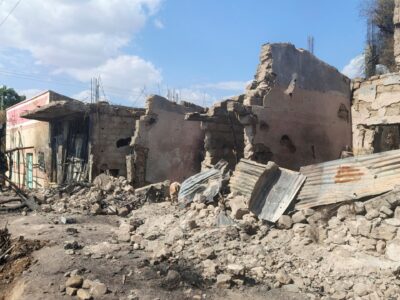
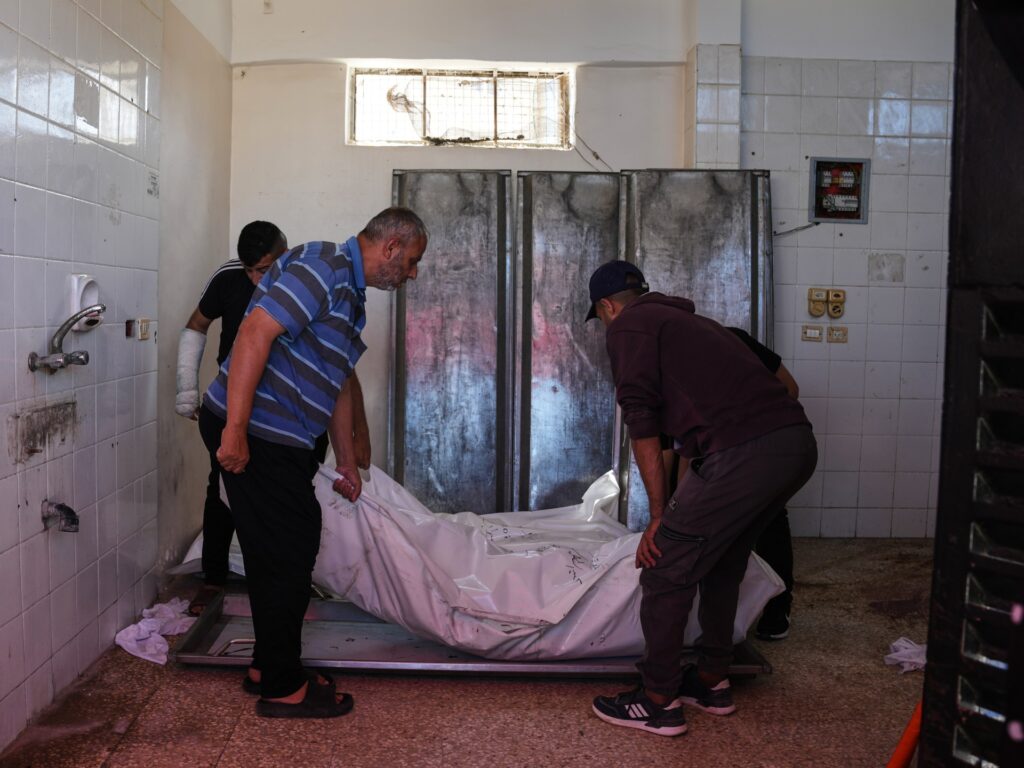
The Gaza Strip has witnessed relentless bombardments, with significant damage to infrastructure and a rising number of casualties among civilians. Humanitarian concerns have amplified as aid agencies report worsening conditions and dwindling resources for the affected populations.
Political analysts argue that Netanyahu’s apparent stalling on a ceasefire agreement may be aimed at leveraging the conflict to rally nationalist support ahead of the polls. The prolonged military engagement has been perceived as a demonstration of toughness and resolve, qualities that Netanyahu’s political camp deems essential for electoral success.
Critics highlight the cost of this strategy, noting the profound humanitarian toll inflicted on Gaza’s population and the potential long-term ramifications for regional stability. They caution that prioritizing electoral gains over peace efforts risks further entrenching divisions and prolonging the cycle of violence.
Internationally, calls for an immediate ceasefire have intensified, with world leaders and organizations urging restraint and dialogue. Diplomatic efforts are ongoing but have yet to yield a breakthrough, as strategic calculations on all sides complicate the prospects for a swift resolution.
The situation remains volatile, with Gaza caught in the crossfire of political maneuvering and military confrontation. The international community watches closely, hoping for a de-escalation that prioritizes the safety and well-being of civilians amid the turmoil.
As the Israeli elections approach, the intersection of domestic politics and conflict dynamics poses significant challenges to peace. Observers remain cautious, emphasizing the need for sustained diplomatic engagement to break the impasse and foster conditions conducive to lasting peace in the region.