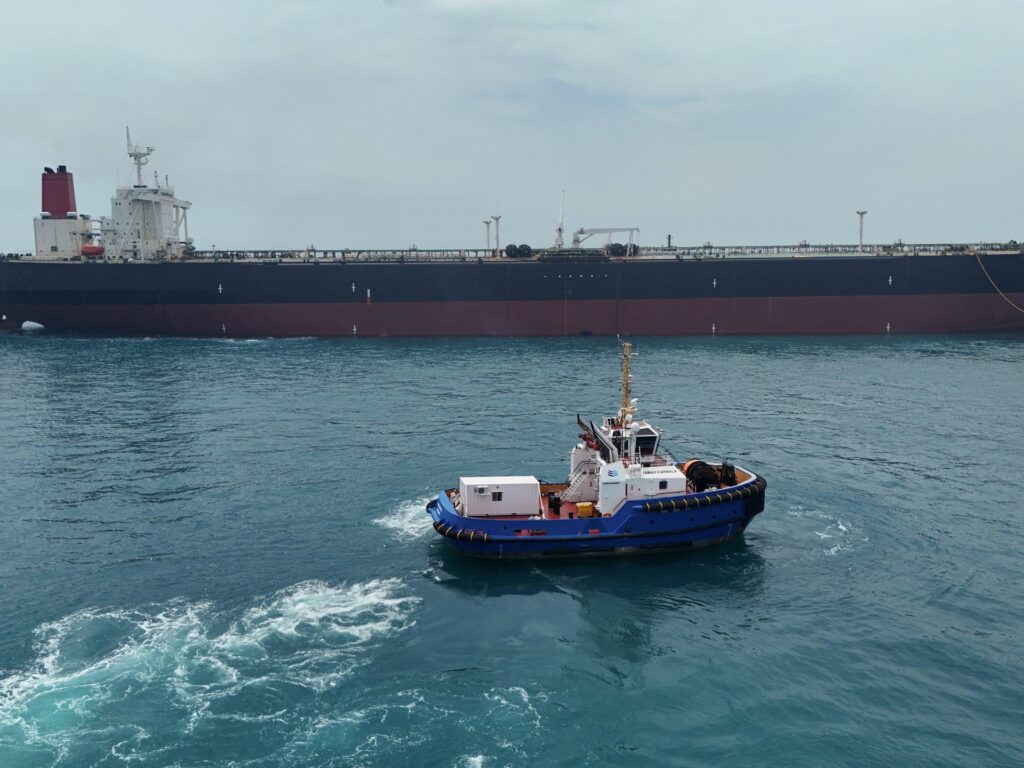
In a recent development in the tense region of the Strait of Hormuz, the United States has firmly denied reports that one of its naval frigates was hit by missiles. The incident was reported amid heightened military and strategic activities in the area, which is a critical chokepoint for global oil shipments and a focal point of geopolitical tensions involving Iran and the US.
The denial came shortly after former President Donald Trump announced an initiative dubbed ‘Project Freedom,’ aimed at liberating ships stranded or restrained in the Strait of Hormuz. This initiative underscores the strategic importance of the strait and the US’s commitment to ensuring maritime passage is free and secure.
The Strait of Hormuz has long been a hotspot for confrontations between Iran and other global powers, particularly the United States, due to its strategic importance as a maritime passage. It is a narrow passage that connects the Persian Gulf with the Gulf of Oman and the Arabian Sea, making it one of the world’s most vital oil transit chokepoints.
Following Trump’s announcement, tensions appeared to escalate, with several reports of military movements and heightened alerts from naval forces in the region. However, the US Navy quickly moved to dismiss claims that any of its ships had suffered missile attacks, emphasizing their readiness and protective measures.
The context of this denial is particularly important as misinformation or unverified reports can exacerbate already fragile situations in this volatile region. The US Navy’s statement was clear in asserting no frigate was hit, aiming to de-escalate fears of imminent conflict or incident escalation.
The announcement of ‘Project Freedom’ signifies a strategic posture by the US to safeguard international shipping lanes and to counter any aggressive moves that may hamper the free flow of maritime trade, especially in the oil-rich Middle East region. This operation is expected to involve enhanced patrols, naval escorts, and possibly other tactical measures to ensure freedom of navigation.
Iran’s position and reaction to these developments remain crucial. Historically, Iran has viewed the Strait of Hormuz as a sovereign and strategic domain, often leveraging its position to influence global oil prices and political negotiations.
As of now, diplomatic channels remain active, with various international stakeholders monitoring the situation closely. The balance between military readiness and diplomatic engagement will be key to maintaining stability in one of the world’s most geopolitically sensitive corridors.
This incident and the US’s response highlight the broader context of ongoing tensions between the US and Iran, with potential implications for global energy markets, regional security, and international maritime law.
In summary, while reports of a US frigate being hit by missiles in the Strait of Hormuz have been circulating, official statements from the US military have categorically denied these claims. The situation remains dynamic, with ‘Project Freedom’ potentially shaping the future operational landscape in the vital maritime corridor.
Stakeholders worldwide continue to watch closely as events unfold in the Strait of Hormuz, understanding that stability here is not just a regional concern but a critical element of global security and economic vitality.