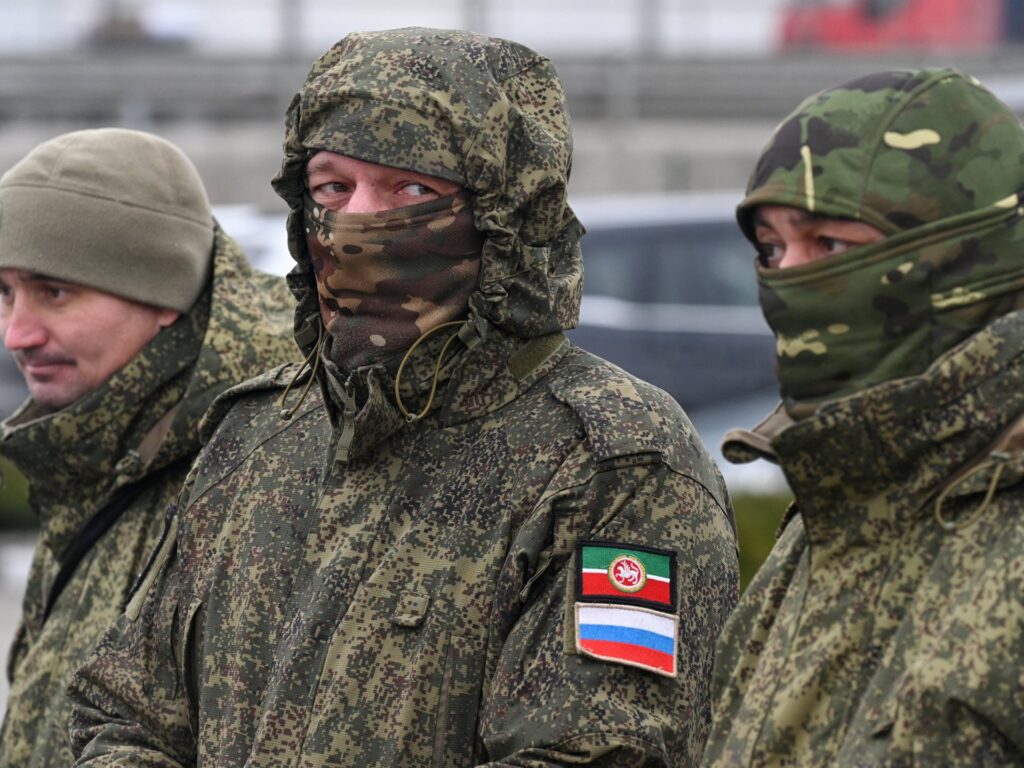
As Russia continues its military campaign in Ukraine, a significant crisis is unfolding within the ranks of the Russian army. Reports indicate a growing number of Russian soldiers are seeking to desert their posts amid the ongoing conflict. This phenomenon has raised alarms about the morale and cohesion of Russian forces as they face fierce resistance from Ukrainian troops.
The conflict, which has dragged on for months, has seen Russian military commanders repeatedly deploy waves of soldiers to breach Ukraine’s defensive lines. However, despite these efforts, the Russian army struggles to maintain momentum, and casualties have mounted. This grueling pressure has contributed to a wave of desertions among Russian soldiers stationed in Ukraine.
Many of these soldiers find themselves in harsh frontline conditions, facing the realities of war that starkly contrast with their expectations. The psychological toll, combined with fears for their survival and dissatisfaction with leadership, drives many to contemplate escape.
Desertion is not a new issue in military history, but the scale reported in Russia’s current operations suggests a deeper crisis of confidence within the army. Soldiers seeking to escape often face significant risks, including capture, punishment, or being labeled traitors by military authorities.
Escape routes are fraught with danger. Some soldiers attempt to cross borders illegally, while others try to blend into civilian populations or seek help from relatives or sympathizers. Despite these efforts, the Russian army’s internal security measures have been intensified in an attempt to curb the desertion rate.
Human rights organizations have voiced concern over the treatment of deserters. There have been reports of harsh disciplinary actions, including imprisonment and harsh interrogations. The fear of such repercussions further complicates soldiers’ decisions to flee.
This desertion crisis reflects broader challenges facing the Russian military, including issues of conscription, training, and the overall strategic planning of the Ukraine campaign. The use of poorly trained conscripts, some of whom reportedly joined under duress, exacerbates the problem.
The Russian government and military officials have been largely silent on the issue, though some state media have begun to acknowledge the difficulties faced by troops. Russian President Vladimir Putin and military leaders emphasize loyalty and patriotism, urging soldiers to remain steadfast.
International observers see the desertion phenomenon as a sign of potential weakening within the Russian military structure. If the trend continues, it could have significant implications for Russia’s military effectiveness and morale.
On the ground, Ukraine’s defenders maintain their resolve, taking advantage of the situation to strengthen their defensive lines. The resilience of Ukrainian forces, combined with the desertion issues in the Russian army, paints a complex picture of a protracted conflict with uncertain outcomes.
In conclusion, the desertion crisis highlights the human cost of the conflict and the profound challenges faced by soldiers caught in the crossfire. As Russia’s army grapples with maintaining discipline and morale, the search for ways out by individual soldiers underscores the profound impact of the war on those directly involved.