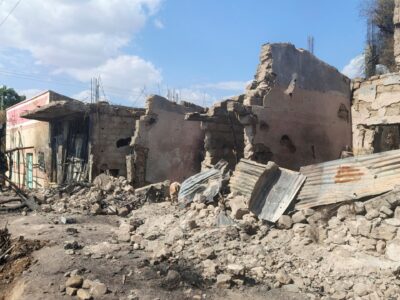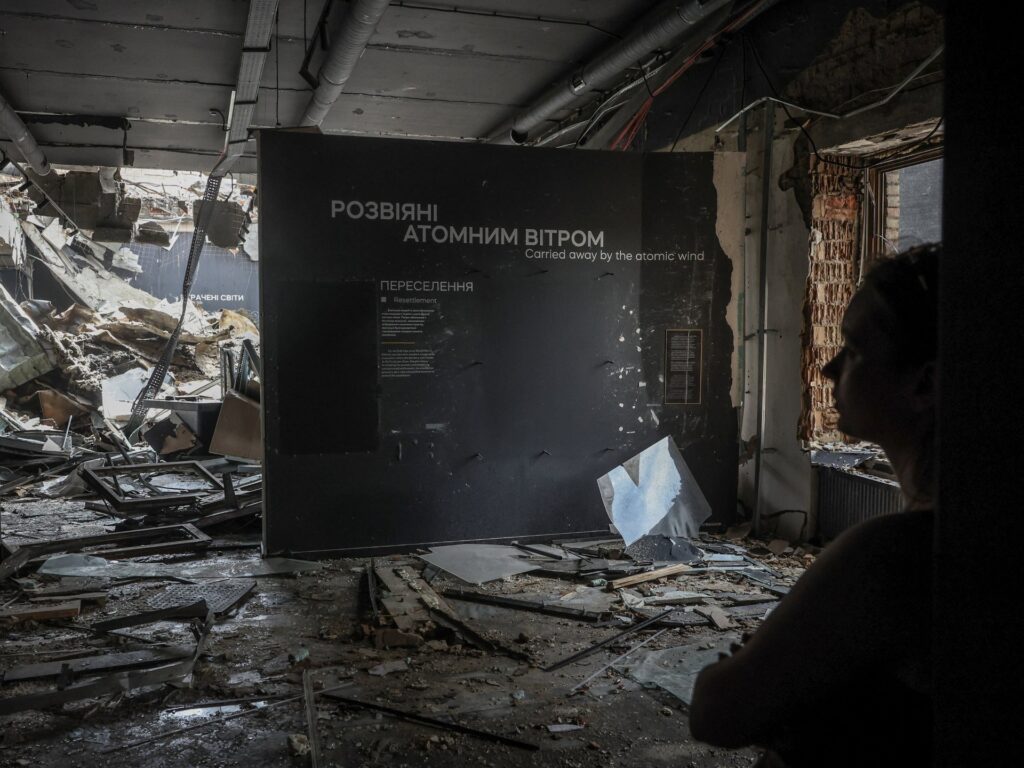
In a tragic overnight event, Kyiv’s iconic Chornobyl Museum was heavily damaged following a Russian missile attack. The museum, dedicated to the memory of the 1986 Chornobyl nuclear disaster, serves not only as a historic site but also as an educational center highlighting the catastrophic impact of nuclear accidents. The missile strike has caused significant destruction to the museum’s infrastructure and exhibits, severely impacting its ability to operate and educate visitors.
This attack on the Chornobyl Museum is seen as part of a broader pattern of cultural and historical sites being targeted in the ongoing conflict. The destruction of such institutions not only represents a loss of invaluable heritage but also a blow to the collective memory and awareness of past tragedies.
Local authorities and cultural preservation groups have condemned the attack, emphasizing the importance of protecting sites that serve as reminders of the devastating consequences of conflict and technological disasters. Efforts are underway to assess the full extent of the damage and plan for the museum’s restoration.
The Chornobyl Museum, established shortly after the disaster, has been a symbol of resilience and education on nuclear safety, drawing visitors from around the world. The damage caused by the missile strike has raised international concern over the preservation of cultural and historical monuments in war zones.
In response to the damage, Ukrainian officials have called for increased international support to safeguard cultural heritage and prevent further destruction. The attack on the museum underscores the urgent need for peace and the protection of cultural identity amidst conflict.
As investigations continue, the global community watches closely, hoping for a swift recovery for the Chornobyl Museum and reaffirming the shared responsibility to protect humanity’s cultural landmarks.