Tensions in the Strait of Hormuz have escalated significantly as Iran’s military issues a stern warning to the United States over its recent mission in the strategic waterway.
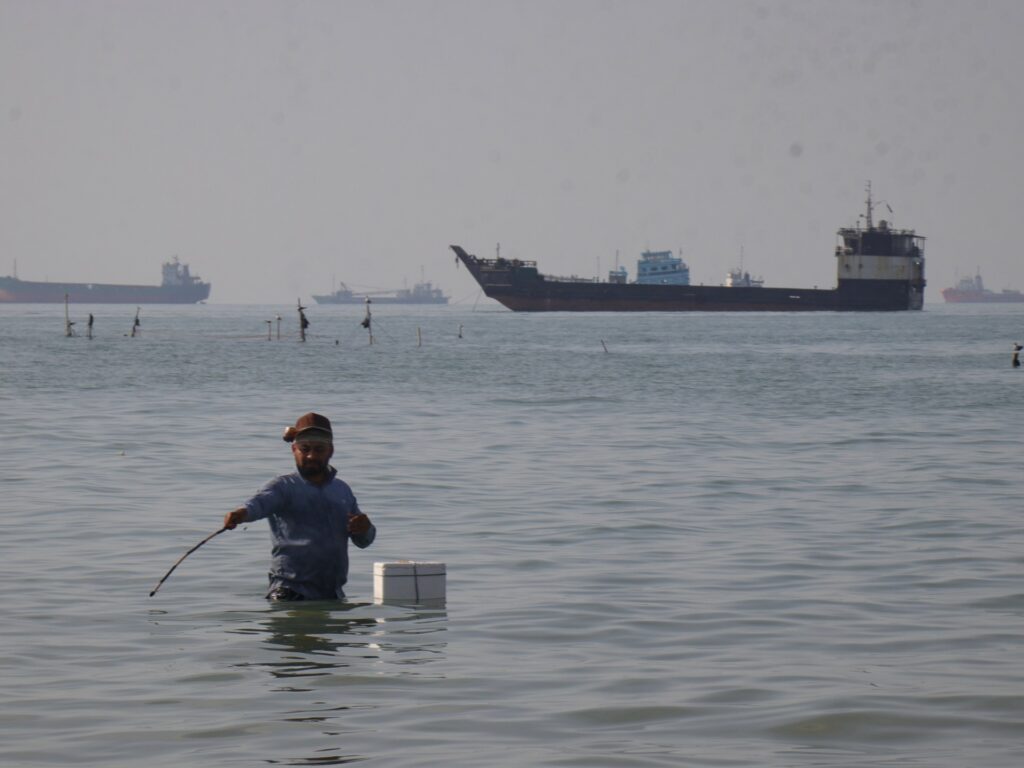
The Strait of Hormuz, a critical chokepoint through which a significant portion of the world’s petroleum passes, has been a flashpoint for geopolitical conflict for years, and recent developments have heightened fears of potential conflict.
The situation intensified when former US President Donald Trump announced ‘Project Freedom,’ a mission aimed at safeguarding and freeing ships stranded in the Strait of Hormuz. This announcement came amid rising tensions and reports of disrupted maritime traffic in the area.
In response, Iranian military officials have strongly condemned the US initiative, warning that any attempts to interfere in the Strait could provoke military action by Iran.
Protests have erupted in various parts of Iran, with demonstrators expressing nationalistic fervor and rejecting foreign interference. Protesters accuse the US of trying to disrupt Iran’s sovereignty and economic interests by targeting the vital shipping lanes.
Analysts note that the Strait of Hormuz remains one of the world’s most sensitive maritime regions, with nearly one-fifth of global petroleum consumption passing through it daily. Control over this waterway is strategically essential for Iran and a critical concern for global security.
The US mission, dubbed ‘Project Freedom,’ reportedly involves coordinated efforts between naval forces to ensure safe passage for commercial vessels and prevent Iranian interference that could choke off this lucrative shipping corridor.
Iran, however, maintains that its military presence in the Strait is defensive and that any US-led military actions are provocations.
The announcement and Iran’s subsequent warnings have renewed international concerns about the possibility of an armed conflict in the region, which could have severe implications for global energy markets and geopolitical stability.
Diplomatic efforts are underway by multiple countries to defuse tensions and promote dialogue between the US and Iran to prevent escalation.
Experts emphasize the importance of maintaining open communication channels and adhering to international maritime laws to avoid misunderstandings and potential military confrontations.
The situation remains highly fluid, with monitoring agencies closely watching naval movements and vessel traffic in the Strait of Hormuz.
Global markets have already reacted to the increased tensions, with oil prices experiencing volatility amid fears of disruptions in supply.
Furthermore, the protests within Iran reflect broader domestic concerns about economic stability and national autonomy, factors that may influence Iran’s stance in the ongoing standoff.
In summary, the announcement of Project Freedom marks a critical juncture in US-Iran relations concerning the Strait of Hormuz. Iran’s military warnings and public protests underscore the deep sensitivities involved, suggesting that both sides face a complex and potentially dangerous path ahead.