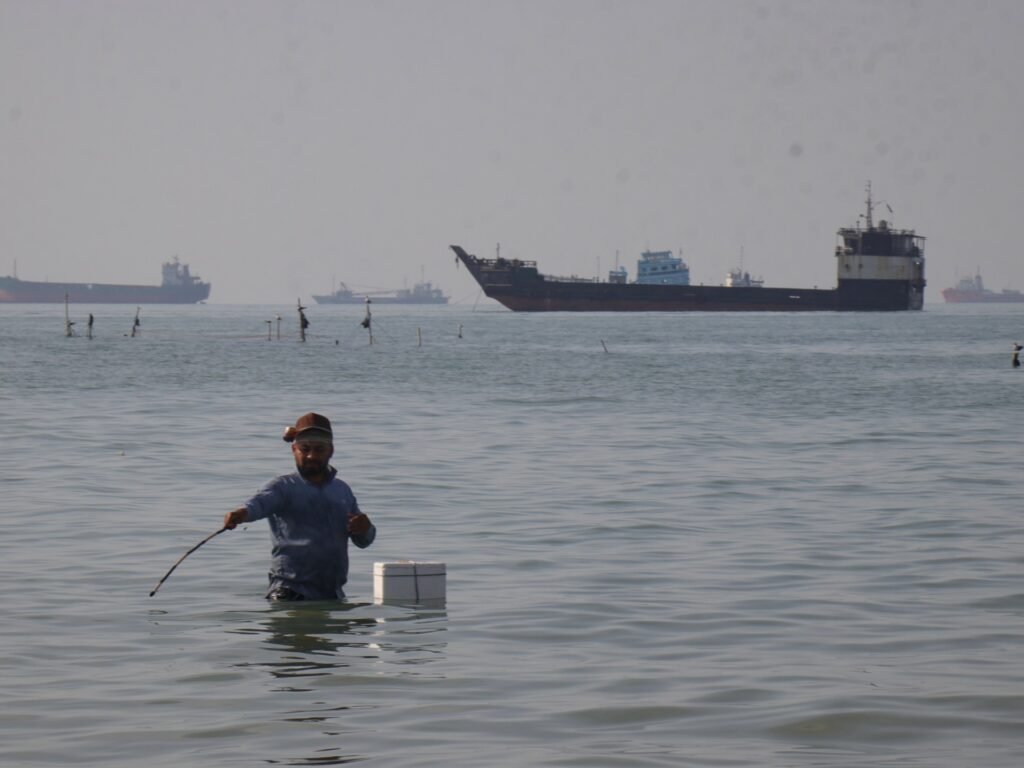
Tensions have escalated in the Strait of Hormuz region as Iran vehemently protested the announcement of ‘Project Freedom’ by former U.S. President Donald Trump. The initiative aims to escort and secure ships stranded in the strategically vital Strait of Hormuz, which is a critical maritime chokepoint for global oil shipments.
Iran’s government has issued a stern warning, declaring that the U.S. mission in the Hormuz will be considered a violation of any existing ceasefire agreements. The Strait of Hormuz is a narrow passage between the Persian Gulf and the Gulf of Oman, through which approximately 20% of the world’s petroleum passes. As such, control and security of the strait remain highly sensitive issues for regional and global powers.
In recent years, the area has been a flashpoint for conflict, with both Iran and the United States accusing each other of aggressive actions and provocations. The announcement of ‘Project Freedom’ has thus sparked strong protests from Tehran, with Iranian officials stating the mission undermines peace efforts and regional stability.
Tehran’s warning highlights the fragile balance in the region, where even minor military or security maneuvers can risk escalating into broader conflict. Iranian state media have echoed the government’s stance, outlining that any unauthorized presence or escort operations by U.S. forces will be met with decisive action.
The announcement from Trump came amid rising tensions following sanctions and naval skirmishes in previous months, with both sides accusing the other of destabilizing commercial shipping routes.
International observers have expressed concern that such moves could destabilize the crucial shipping lanes further, potentially impacting oil prices and global market stability.
Though the mission is reportedly aimed at protecting commercial interests and ensuring the safe passage of ships, the geopolitical implications remain deeply contentious.
The U.S. has long maintained a naval presence in the region to counter threats and ensure open sea lanes, but Iran views these actions as infringements on its national sovereignty.
Recent history has shown an increase in military incidents near the Strait of Hormuz, including attacks on tankers and confrontations between naval vessels. This context has heightened fears of an inadvertent escalation resulting from ‘Project Freedom.’
Analysts suggest that while the mission could provide some security reassurance to shipping companies, it also risks provoking Iran and its allies, potentially leading to retaliation or a renewed cycle of confrontation.
Diplomatic channels remain strained, with little indication of immediate de-escalation despite international calls for calm and dialogue.
The coming days and weeks will likely be critical in determining whether ‘Project Freedom’ will be seen as a protective measure or a provocative act threatening the already tenuous ceasefire in the region.
Stakeholders across the globe are closely monitoring the situation given its potential to affect not just regional peace but also global energy supplies and trade.
In summary, the announcement of the U.S. escort mission in the Strait of Hormuz has reignited tensions between Tehran and Washington, with Iranian warnings emphasizing the risks of violating ceasefire agreements. As protests and diplomatic exchanges continue, the world watches cautiously, hoping for a peaceful resolution to avoid conflict in this vital maritime corridor.