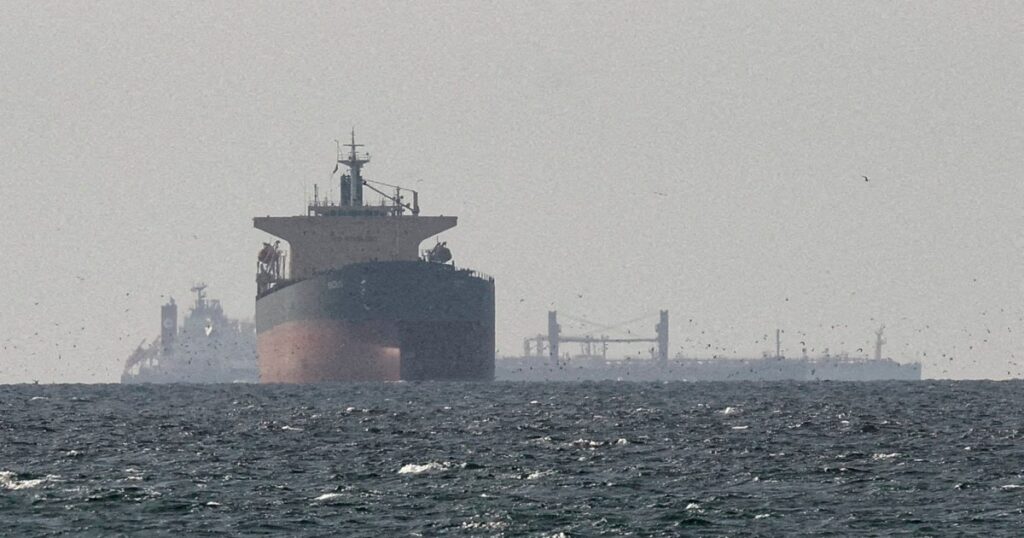
In a significant geopolitical move, US President Donald Trump declared that the United States will initiate naval missions to escort ships through the strategically vital Strait of Hormuz. This announcement comes amid heightened tensions in the region, aiming to protect maritime traffic from disruptions and threats.
The Strait of Hormuz is a critical chokepoint through which a substantial portion of the world’s oil supply passes. Ensuring the safe passage of commercial and allied vessels has long been a concern for global trade and security. Trump’s decision underscores the US commitment to safeguarding international shipping lanes and deterring hostile actions against maritime vessels.
By deploying naval escorts, the US seeks to provide a protective presence that can prevent potential attacks or blockades that could threaten oil shipments and escalate regional conflicts. The move reflects ongoing concerns about security risks posed by tensions between the US and Iran, as well as other regional actors.
This naval escort mission will likely involve coordinated efforts among various branches of the US military, including the Navy, to monitor and respond to any incidents that may arise. The presence of US warships in the Strait is expected to bolster the confidence of commercial shipping operators navigating this narrow but vital maritime corridor.
President Trump’s announcement signals a proactive approach in ensuring energy security and maintaining freedom of navigation in international waters. It also sends a clear message of deterrence to adversaries seeking to disrupt the flow of commerce in one of the world’s most important maritime passages.
The international community will be closely watching how this mission unfolds and its impact on regional stability. The US move to escort ships could serve as a catalyst for diplomatic engagements or, conversely, further exacerbate tensions depending on responses from other regional powers.
In summary, President Trump’s decision to deploy US naval escorts in the Strait of Hormuz represents a critical step in protecting global energy supplies, supporting international maritime laws, and reinforcing US strategic interests in a volatile region. The mission underscores the complexities of modern naval diplomacy and the ongoing challenges in securing vital trade routes in an unpredictable geopolitical landscape.