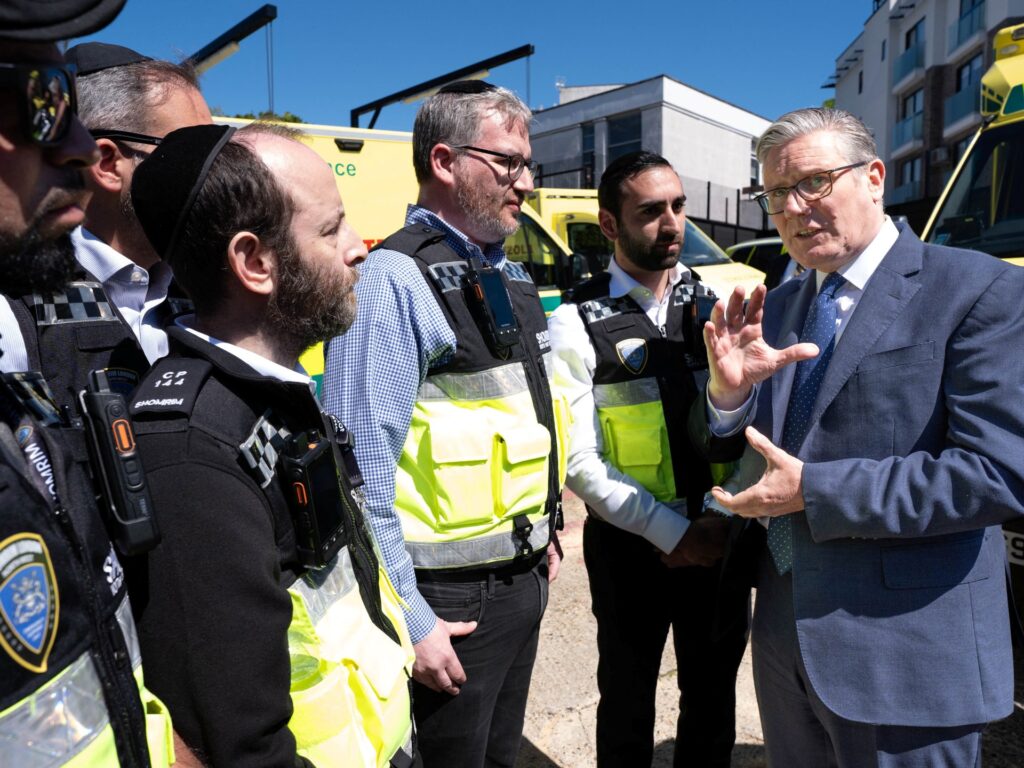
In a significant political statement, UK Labour Party leader Keir Starmer has indicated his intention to consider banning certain pro-Palestine protests. This move comes in response to concerns over inflammatory language used during demonstrations, particularly the phrase ‘globalise the Intifada,’ which Starmer insists should be ‘completely off limits.’
The phrase, which invokes the Palestinian uprisings against Israeli occupation, has sparked controversy in the UK political context. Starmer’s stance underscores his commitment to balancing freedom of expression with public safety and peace. The proposed ban would target protests deemed to have crossed the line into incitement or support for violence.
Starmer’s comments have attracted varied reactions. Supporters argue that curbing violent rhetoric is essential for maintaining social harmony and combating extremism. Critics, however, warn that limiting protests could infringe on democratic rights and stifle legitimate political expression regarding the Palestinian cause.
This development occurs amidst heightened tensions in the Middle East and ongoing UK debates about the Israeli-Palestinian conflict. The Labour leader said that while people’s right to protest is important, expressions that encourage violence threaten public order and must be addressed decisively.
The UK’s approach to managing politically sensitive protests has been under scrutiny, with past demonstrations related to global conflicts prompting government reviews. Starmer’s proposal to ban specific pro-Palestine protests featuring contentious slogans marks a notable moment in this ongoing dialogue.
Legal experts note that any ban must carefully navigate the balance between human rights obligations and security concerns. The government would need clear legal frameworks to justify prohibiting demonstrations based on the language used.
As discussions continue, community leaders and activists are calling for dialogue to address underlying issues. Many emphasize the importance of peaceful advocacy and the need for political leaders to foster understanding rather than division.
The potential ban raises broader questions about the limits of protest in democratic societies, especially in contexts involving international conflicts with deep historical roots. It highlights the challenges policymakers face in responding to complex global issues within their domestic legal and social landscapes.
Starmer’s position reflects a broader trend among Western governments grappling with how to regulate protests in an era of heightened geopolitical tensions and social media amplification. The outcome of this policy consideration could set precedents for how the UK handles politically charged demonstrations in the future.
Overall, the dialogue around banning some pro-Palestine protests in the UK is emblematic of the challenges democracies face in reconciling security, rights, and international solidarity. As the situation evolves, stakeholders across the political spectrum will watch closely, weighing the implications for protest rights and social cohesion.