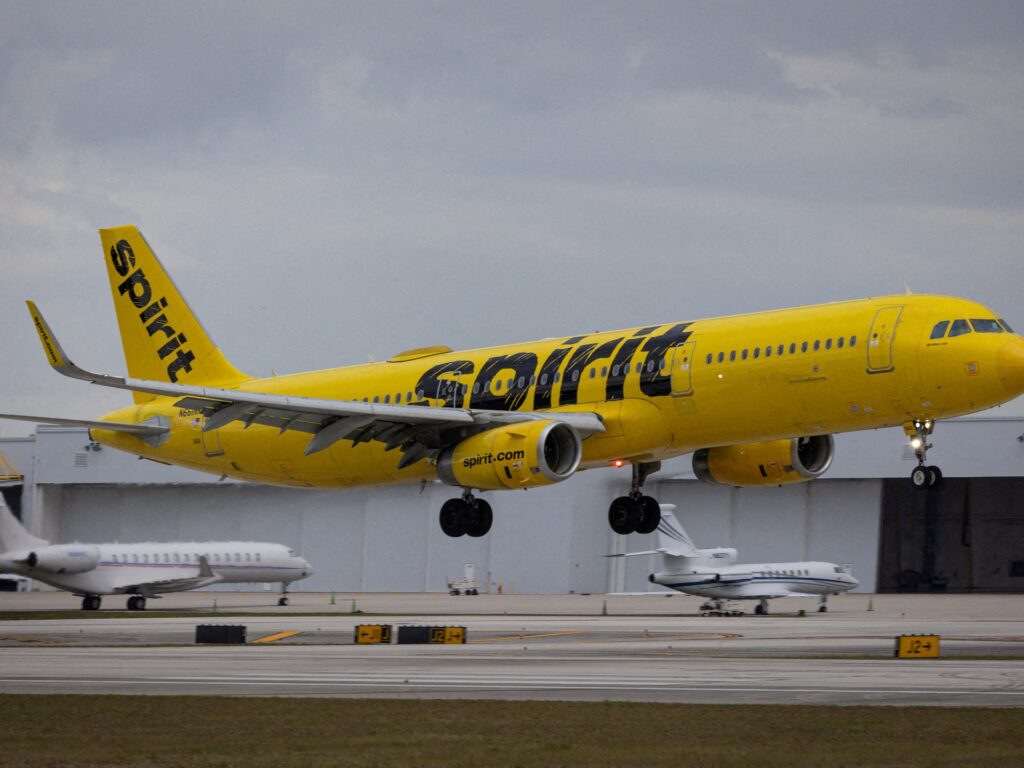
Spirit Airlines, a well-known US-based budget carrier, has announced the commencement of a ‘wind-down’ process due to severe financial strain caused by a dramatic increase in jet fuel prices. This unexpected development has led to the cancellation of all its flights, affecting thousands of passengers and leaving many stranded.
The doubling of jet fuel costs has pushed Spirit Airlines into an unsustainable financial position. Like many other budget carriers, Spirit had relied on keeping operational costs low to offer affordable fares to travelers. However, the recent surge in fuel prices has severely disrupted this balance, forcing the airline to halt its operations.
The decision to begin winding down operations was not made lightly. It follows a period of intense financial difficulty where efforts to manage escalating fuel expenses through various strategic adjustments failed to stabilize the company’s economic health. The airline’s management cited the unforeseen fuel price hike as the critical factor driving their inability to maintain flight schedules.
This development is expected to have far-reaching consequences. Thousands of jobs at Spirit Airlines are at risk, escalating the impact on employees and their families. The company had been a significant employer in the airline industry, known for providing affordable air travel options across the United States and to select international destinations.
Industry analysts have noted that the spike in fuel prices is part of a broader trend impacting the global aviation sector. Many airlines are facing similar challenges, leading to reduced flight schedules, route cancellations, and in some cases, bankruptcy. Spirit Airlines’ experience underscores the vulnerability of budget airlines to sudden economic shifts, particularly in fuel markets.
Customers with upcoming flights have been advised to seek refunds or alternative travel arrangements. The airline committed to facilitating compensation and support for affected passengers, but the abrupt cessation of its operation has left many travelers scrambling for options.
Regulatory authorities and aviation watchdogs are monitoring the situation closely, with discussions ongoing about potential interventions or assistance to mitigate the wider economic impacts. Meanwhile, competitors are adjusting to the changed market dynamics, with some potentially absorbing displaced demand from Spirit’s former customers.
The collapse of Spirit Airlines marks a significant moment in the post-pandemic recovery phase for the US airline industry, highlighting the persistent vulnerabilities in the sector. The fuel crisis demands urgent attention from policymakers and industry leaders alike, emphasizing the need for strategies to shield carriers from volatile energy markets.
As the situation evolves, stakeholders await further announcements about the future of Spirit Airlines, including potential restructuring or acquisition attempts. The coming weeks will be critical in determining the ultimate fate of the airline and the broader implications for affordable air travel in the United States.