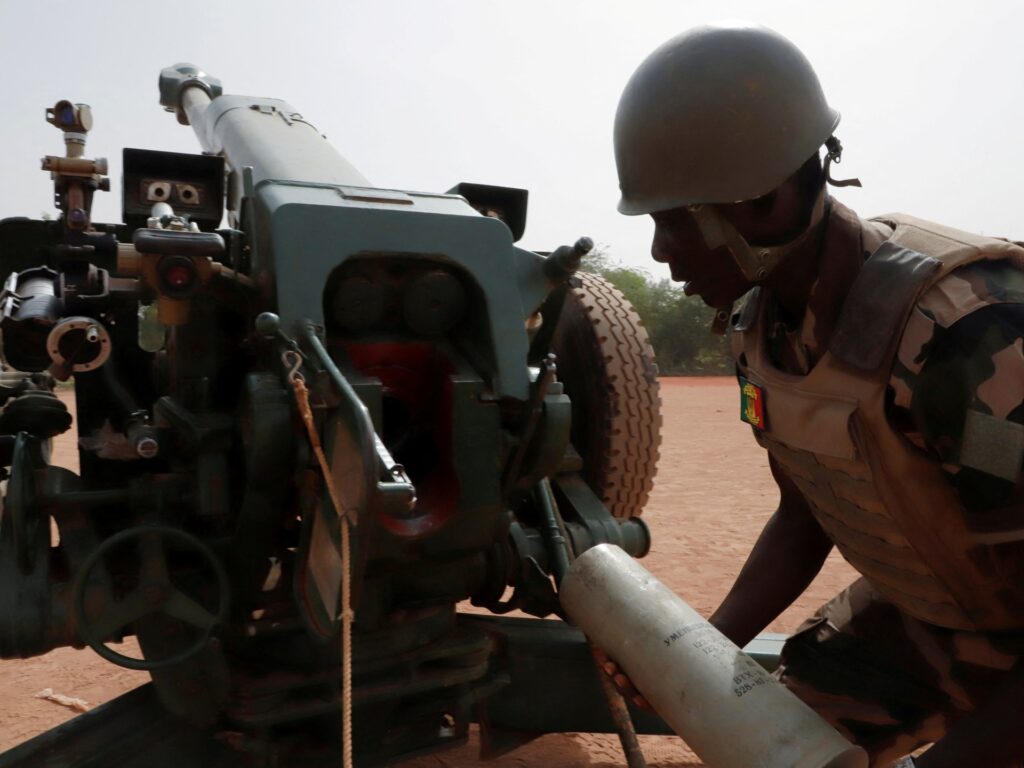
Mali, once hailed as a beacon of democracy in West Africa, has faced a series of political and security crises since 2012, leading to its current state of instability. This timeline highlights the key events that contributed to Mali’s decline from democratic hope to ongoing turmoil.
2012: The Crisis Begins
Early 2012 marked the start of Mali’s troubles when Tuareg separatists in the northern region launched a rebellion seeking independence. The National Movement for the Liberation of Azawad (MNLA) quickly captured vast areas of northern Mali. This was compounded by a military coup in March 2012, when disgruntled soldiers overthrew President Amadou Toumani Touré’s government, citing poor handling of the rebellion.
2012-2013: Islamist Groups Gain Ground
As the MNLA initially held territory, Islamist militant groups such as Ansar Dine, Al-Qaeda in the Islamic Maghreb (AQIM), and the Movement for Oneness and Jihad in West Africa (MUJAO) took advantage of the chaos, pushing for strict Islamic law and further destabilizing the north. The inability of Malian forces to regain control led to international concerns.
January 2013: French Military Intervention
At the request of Mali’s transitional government, France launched Operation Serval to halt Islamist advances. French forces, alongside African allies, successfully reclaimed northern cities such as Timbuktu and Gao. This intervention was initially viewed as a positive step toward restoring order and democracy.
2013-2015: Fragile Peace Attempts
Efforts to stabilize Mali included international peacekeeping missions and negotiations with armed groups. However, sporadic violence continued, and accords signed with certain rebel factions failed to bring lasting peace. The UN Multidimensional Integrated Stabilization Mission in Mali (MINUSMA) was deployed to support peace efforts but faced persistent attacks.
2015: Adoption of New Constitution
In a move to strengthen democratic institutions, Mali adopted a new constitution in 2015. The constitution aimed to decentralize power and improve governance. Yet, the reach of the central government remained limited, especially in the north and central regions.
2017-2019: Spread of Violence and Jihadism
Instability spread beyond the north into central Mali, involving communal conflicts between ethnic groups such as the Fulani and Dogon. Jihadist groups exploited these tensions, conducting attacks that led to significant casualties among civilians and security forces.
2020: Military Coups
Frustration with government corruption and ineffectiveness culminated in a military coup in August 2020, which ousted President Ibrahim Boubacar Keïta. A transitional government was established, but tensions remained high.
May 2021: Second Military Coup
The military staged a second coup, removing the transitional president and consolidating military control. The moves raised questions about Mali’s democratic future and strained international relations.
2022-2023: Ongoing Instability and International Relations
Despite promises of elections and democratic restoration, Mali continued to face insurgent attacks and political instability. Relations with Western allies cooled, and Mali sought new partnerships. The security situation remains precarious, with humanitarian concerns mounting.
In summary, Mali’s journey from a democratic beacon to a hotspot of instability is marked by internal divisions, armed conflicts, military takeovers, and challenges in governance. While international interventions have offered temporary reprieves, the path to sustained peace and democracy remains complex and uncertain for Mali.