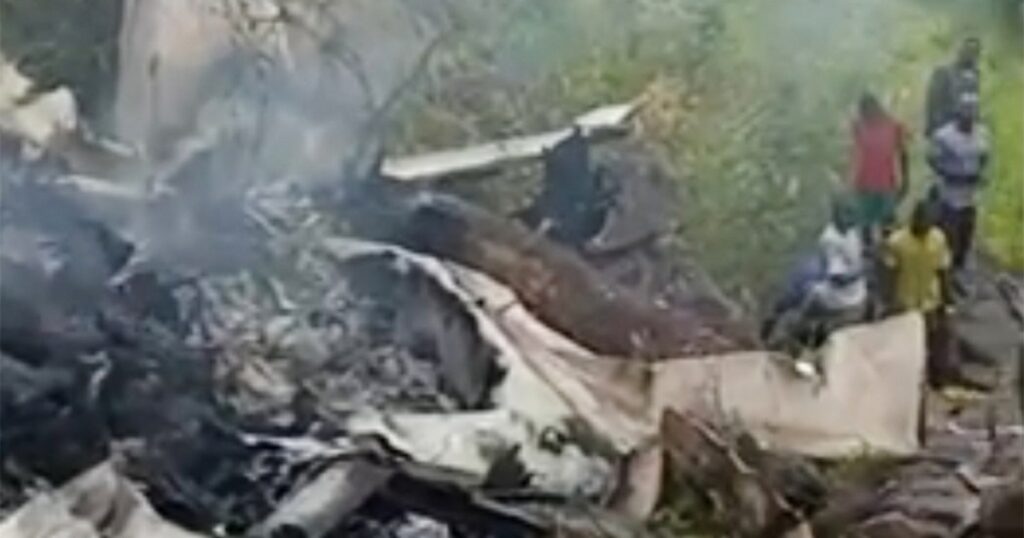
A tragic plane crash occurred near Juba, the capital of South Sudan, resulting in the deaths of all 14 passengers and crew members on board. The aircraft, identified as a Cessna, is reported to have gone down under adverse weather conditions, which likely contributed to the accident.
Preliminary investigations suggest that poor weather, including low visibility, played a crucial role in the crash. South Sudan’s aviation authorities are currently conducting a thorough inquiry to determine the exact cause of the accident and to assess whether any other factors contributed to the tragedy.
The ill-fated flight was carrying a total of 14 people, with no survivors. Emergency responders and rescue teams reached the crash site promptly but found no one alive. This devastating incident has cast a shadow of mourning over the local community and the families of those who lost their lives.
Weather challenges are not uncommon in this region, particularly during certain seasons when visibility can rapidly deteriorate due to fog, rain, or dust storms. Such conditions pose significant risks to aviation operations, especially for smaller aircraft like the Cessna involved in this accident.
South Sudan’s government and aviation officials have expressed their condolences to the victims’ families and pledged to enhance flight safety standards to prevent such tragedies in the future. The crash underscores the urgent need for improved weather monitoring and communication systems to assist pilots in making safer decisions in challenging flight conditions.
This incident will likely prompt a review of aviation safety protocols in South Sudan, including the potential introduction of stricter regulations for flying during adverse weather conditions. Increased investment in aviation infrastructure and pilot training may also be considered to reduce risks.
Communities around Juba are also concerned about the potential implications for air travel safety in the region, as air transport is a vital link for connecting remote areas within South Sudan and neighboring countries.
As the investigation progresses, more details are expected to emerge about the circumstances surrounding the crash, and findings will be vital in shaping future safety measures.
The loss of 14 lives in this accident is a somber reminder of the dangers inherent in aviation, especially in challenging environments. It also highlights the importance of continuous advancements in technology, training, and infrastructure to safeguard all passengers and crew.
Authorities are currently cooperating with international aviation experts to ensure the investigation is comprehensive and that appropriate lessons are learned from this tragedy.
As families mourn their loved ones, the aviation community and the public at large await the official report that will hopefully bring clarity and help prevent such disasters in the future.