In a troubling development in Chad, a dispute over access to water sources has escalated into violent clashes resulting in the deaths of at least 42 people. The conflict, which began as a fight over precious water resources, quickly spiraled into a series of reprisal attacks, further intensifying the violence and destabilizing the affected region.
Water scarcity is a persistent issue in Chad, exacerbated by the country’s harsh climate and ongoing challenges related to resource management. The recent confrontation highlights the severe consequences of limited water availability in vulnerable communities, where access to this essential resource can ignite tensions and lead to deadly conflicts.
According to government sources, the situation escalated when one group attempted to assert control over a local water point, prompting retaliatory actions from rival factions. The cycle of revenge further inflamed the hostilities, making peaceful resolution difficult.
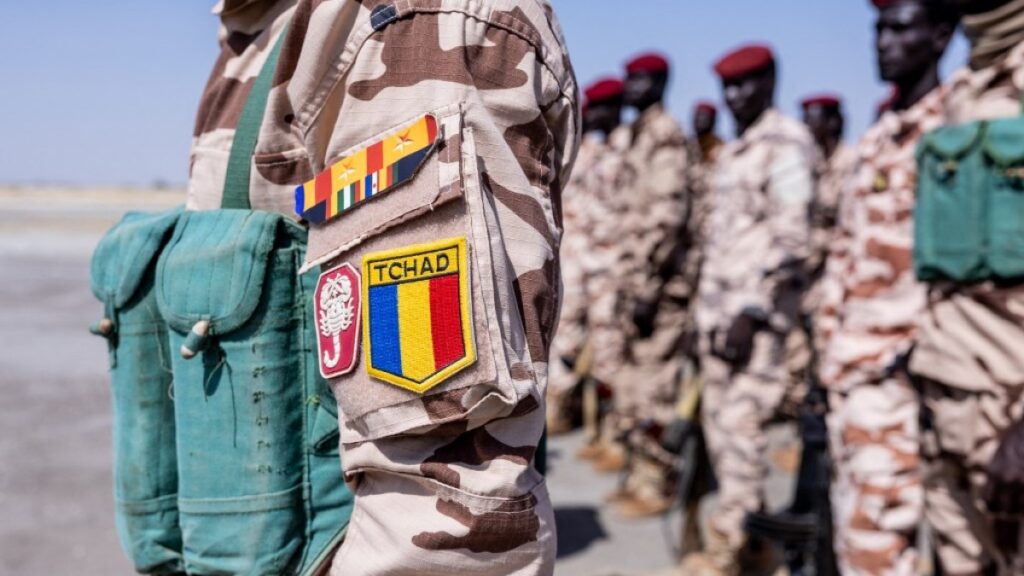
In response to the violence, the Chadian army was deployed to the region to restore order and prevent further bloodshed. Authorities report that intervention efforts have contained the immediate threat and that the situation is now under control. However, the incident underscores the fragility of peace in areas where natural resources are scarce and competition is fierce.
The government has called for calm and urged communities to seek peaceful dialogue to resolve disputes over water and other vital resources. Efforts to improve water infrastructure and equitable distribution are crucial to preventing similar conflicts in the future.
International organizations monitoring the situation have expressed concern over the impact of such violence on local populations, emphasizing the need for humanitarian aid and conflict mediation to address both the immediate needs and the root causes of the crisis.
This tragic episode serves as a stark reminder of the challenges faced by Chad and other nations grappling with resource scarcity, climate change, and socio-political tensions. The hope remains that through coordinated efforts by government, community leaders, and international partners, sustainable solutions can be found to secure access to water and ensure lasting peace in the region.