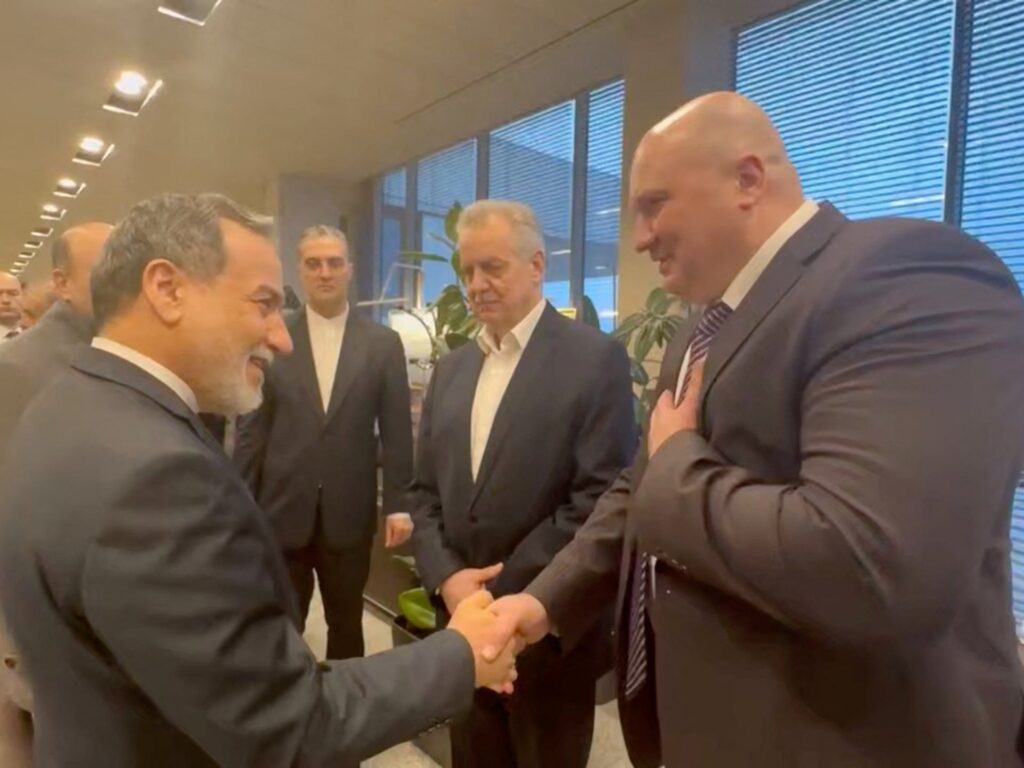
In a significant diplomatic development, Iran’s top diplomat has embarked on a visit to Russia, underscoring Tehran’s efforts to seek a resolution to the ongoing war in the region. This visit highlights the importance of diplomacy in addressing the complex conflicts affecting the Middle East.
Iran has been involved in several regional conflicts, and the visit to Russia represents a strategic move to garner support and explore diplomatic avenues that could lead to de-escalation and peace. Moscow, a key player in international geopolitics, is considered a crucial ally and mediator in these discussions.
Meanwhile, behind the scenes, Pakistan and Oman continue to play pivotal roles in preventing the escalation of tensions between the United States, Israel, and Iran. Both countries are actively engaged in backchannel diplomatic efforts aimed at avoiding a return to open warfare involving these powers.
The involvement of Pakistan and Oman is particularly important given their unique positions as relatively neutral nations with the ability to communicate effectively with all parties involved. Their diplomatic initiatives focus on dialogue and negotiation to reduce misunderstandings and foster peaceful outcomes.
The prospect of renewed open conflict between the U.S. and Israel against Iran raises serious concerns about regional stability and global security. The ongoing efforts by Iran’s top diplomat in Russia, coupled with Pakistan and Oman’s backchannel negotiations, demonstrate a multi-faceted approach to conflict resolution.
Experts observe that while military confrontations have dominated headlines, the quieter diplomatic engagements could play a decisive role in shaping the future of peace in the Middle East. These efforts aim to strengthen ceasefire agreements, promote political dialogue, and facilitate humanitarian aid to affected populations.
Russia’s role as a mediator is critical, given its historical and strategic ties to Iran and its influence in international security frameworks. The talks during the visit are expected to cover various dimensions, including regional security, economic cooperation, and counter-terrorism strategies.
The international community watches closely as these diplomatic maneuvers unfold, hopeful that a peaceful resolution to the long-standing tensions may be achievable. The collaboration among Iran, Russia, Pakistan, and Oman may set a precedent for regional cooperation beyond this immediate crisis.
In conclusion, Iran’s diplomatic visit to Russia alongside Pakistan and Oman’s discreet efforts highlight the importance of dialogue and negotiation in preventing warfare and fostering long-term peace in a historically volatile region. These developments underscore the ongoing commitment to diplomatic solutions as a preferable alternative to conflict.