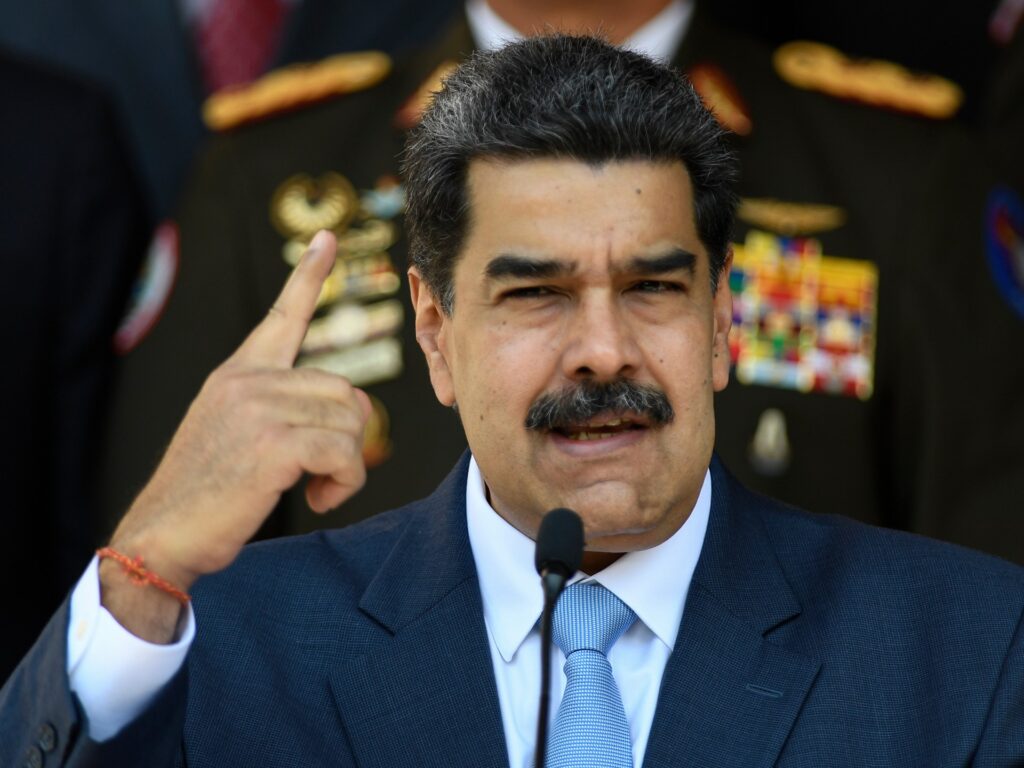
In a significant development in the ongoing legal saga surrounding Venezuelan President Nicolás Maduro, the United States government has agreed to allow the Venezuelan government to cover the legal fees for Maduro’s defense lawyers. This decision follows demands from Maduro’s defense team to have the case dismissed, arguing that the President’s legal rights were violated due to an alleged abduction carried out by U.S. authorities.
Maduro’s defense lawyers had previously requested the US courts to throw out the case, contending that the manner in which Maduro was brought into the jurisdiction was unlawful. They claimed that these procedural irregularities infringed upon Maduro’s fundamental legal protections and due process rights. The lawyers argued that allowing the case to proceed under such circumstances would set a dangerous precedent for international legal norms and undermine the principles of sovereignty and diplomatic immunity.
The US administration’s approval for Venezuelan state funding of the legal defense signals a nuanced approach to the complex diplomatic and legal entanglements involved. It reflects an acknowledgment that despite geopolitical tensions, legal safeguards must be respected and that fairness in trial procedures is paramount. This move may also help ease some of the diplomatic strains between Washington and Caracas by demonstrating a commitment to upholding judicial fairness.
Legal experts note that the funding arrangement could expedite the defense’s preparation and enable a more robust representation for Maduro. This financial support is crucial in complex international legal cases where high-profile defendants often face prolonged and expensive litigation. It ensures that the Venezuelan government can mount a comprehensive defense without being hindered by financial constraints.
The case centers around accusations against Maduro related to various charges, including alleged corruption, drug trafficking, and human rights abuses linked to his regime since taking office. These allegations have been foundational to US sanctions and international legal actions targeting the Venezuelan leadership. However, the Maduro government has consistently denied these charges and dismissed them as politically motivated attempts to undermine his presidency.
The defense team’s assertion regarding the violation of Maduro’s rights particularly highlights the controversy surrounding his detainment. Caracas has persistently described any actions against Maduro as unjustified and breaches of national sovereignty. This case epitomizes the fraught nature of international jurisdiction and the challenges in prosecuting high-ranking foreign officials.
Observers suggest that the US decision to permit Venezuelan government funding could signal potential openings for dialogue and negotiated settlements in the future. It may pave the way for more constructive engagements and legal compromises, especially if both parties seek to resolve disputes through diplomatic rather than purely judicial means.
However, critics warn that this concession could be seen as a tactical move by the US to manage the optics of the case while maintaining pressure on the Maduro regime. They argue that it does not imply any shift in the underlying accusations or US policy towards Venezuela but is rather a procedural accommodation.
The broader international community is watching closely as this case unfolds, given its implications for international law, diplomatic relations, and the rights of state actors in foreign jurisdictions. The willingness of the US to uphold legal fairness in such a politically charged case may set important precedents for how similar cases are handled globally.
As the legal proceedings continue, all parties are expected to maintain a delicate balance between legal rights, political realities, and international diplomacy. The eventual outcome will undoubtedly influence future interactions between the US and Venezuela, as well as international legal standards concerning sovereign immunity and fair trial rights for heads of state.
In conclusion, the US government’s decision to allow the Venezuelan government to cover Nicolás Maduro’s lawyer fees marks a pivotal moment in this high-profile international legal conflict. It emphasizes the necessity of fairness and proper legal representation, even amid intense political disputes, and underscores the complex intersections of law, diplomacy, and human rights in contemporary global affairs.