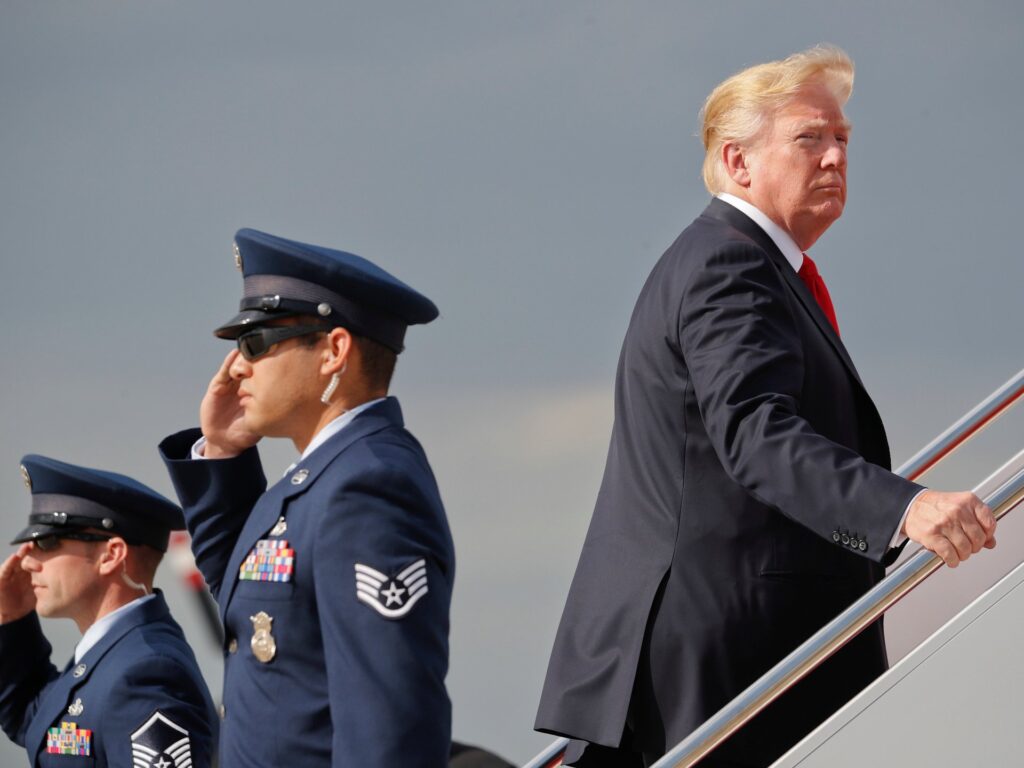
In a surprising move, former President Donald Trump is set to attend the White House Correspondents’ Association (WHCA) press dinner for the first time in several years. Trump’s attendance marks a significant departure from his previous stance, as he had historically avoided the annual event, which is known for its mix of satire, celebrity guests, and the celebration of journalism.
The White House press dinner is a longstanding tradition where journalists, politicians, and celebrities gather to honor the press corps and enjoy a night of speeches, awards, and comedy. Historically, a comedian hosts the event, delivering a roast that pokes fun at the administration and media alike. However, this year’s dinner will notably forgo the inclusion of a comedian, reflecting the shifting tone and sensitivities surrounding the event.
Many professional organizations have urged those attending to use the occasion to ‘speak forcefully’ for the values of press freedom and accountability. The event has become a platform for highlighting the role of the media in democracy, especially in times of political polarization and disputes over the credibility of news outlets.
Trump’s decision to participate comes amid ongoing debates about the relationship between the presidency and the press. Critics and supporters alike have long debated Trump’s approach to the media, which was often confrontational and contentious. His presence at the dinner could signal a new chapter, or at least a moment of reconciliation, as the political landscape continues to evolve.
Organizers have emphasized that despite the absence of a comedian and Trump’s presence, the dinner will retain its core mission: to celebrate journalism, uphold the importance of a free press, and encourage open dialogue between the media and government officials. The dinner’s agenda includes speeches from key figures in politics and journalism, recognition of outstanding reporters, and discussions on the challenges facing the press today.
Attendees are expected to include current administration officials, members of Congress, prominent journalists, and other influential figures from media and politics. The atmosphere is poised to be both reflective and forward-looking, aiming to bridge gaps and promote mutual understanding.
This year’s dinner highlights the complex relationship between the White House and the media, demonstrating the importance of dialogue even amidst disagreement. Trump’s participation may serve as a litmus test for future interactions between political leaders and the press, potentially shaping the tone of engagement in the years ahead.
As the event approaches, all eyes will be on Trump’s speech and his interactions with the press corps. Observers anticipate that his presence could either soften tensions or reignite debates about media bias and presidential conduct.
The White House Correspondents’ Association press dinner remains a notable event in the political calendar, symbolizing the intersection of politics, media, and public discourse. Trump’s attendance after years of avoidance is a development that adds an intriguing dynamic to this year’s gathering, offering a chance for renewed conversations about press freedom and presidential accountability.