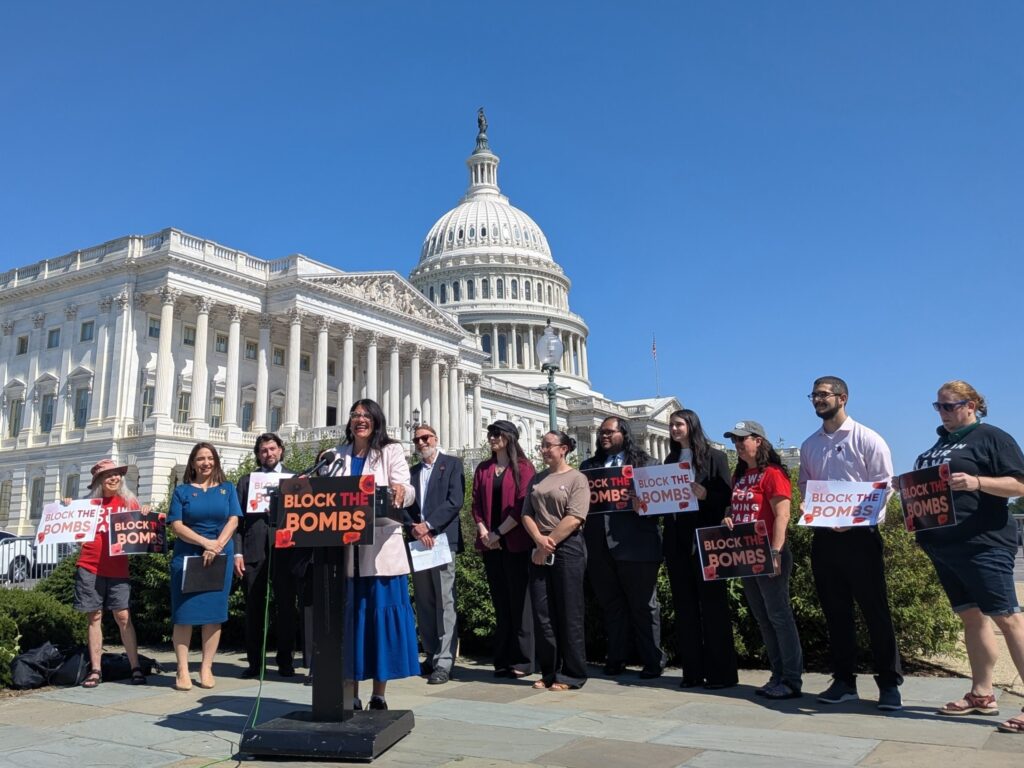
A significant development is underway in the US legislative arena concerning the nation’s military aid to Israel. A bill introduced in Congress that aims to restrict arms sales to Israel has witnessed a marked increase in support, now boasting 73 co-sponsors as it approaches its first anniversary since introduction. This expansion in backing reflects a growing advocacy movement pushing for a reevaluation of US foreign military assistance policies, particularly in the context of ongoing conflicts in the Middle East.
Advocates for the bill argue that restricting the flow of arms to Israel is crucial to promoting peace and stability in the region. They emphasize the need for the US to adopt a more balanced approach to foreign aid, focusing on diplomatic solutions rather than military support that may escalate conflicts. The bill highlights concerns about Israel’s use of American-supplied weaponry in disputed territories and calls for stricter oversight and accountability.
Despite the growing support, the path forward for the bill remains challenging. Legislative proponents acknowledge a “long road” ahead, noting the complexities associated with reshaping longstanding US foreign policy and military assistance frameworks. Opposition from various political factions and interest groups that favor continued robust support to Israel poses significant hurdles.
The bill’s rise in co-sponsorship is indicative not only of shifting political attitudes but also of increasing public awareness and concern. Activists and advocacy groups have been instrumental in this change, mobilizing public opinion through campaigns, educational efforts, and direct lobbying of lawmakers. Their work reflects a broader trend of citizens seeking more ethical and conscientious US foreign policy decisions.
Furthermore, analysts point out that this bill’s progress offers a glimpse into the evolving dynamics within the US Congress regarding Middle East policies. It marks a potential pivot point where traditional bipartisan support for Israel’s military aid is being questioned more openly. Debate over the bill encompasses broader themes such as human rights, international law, and the long-term consequences of militarized foreign relations.
As the bill continues to gather momentum, stakeholders across the spectrum remain engaged. While some advocate for swift legislative action to curtail arms shipments, others call for a more nuanced approach that balances strategic alliances with responsible governance.
The introduction and growth in support for the bill emphasize an ongoing dialogue about the role of the United States in Middle Eastern conflicts and the consequences of its military interventions. As Congress deliberates, the development underscores the complexity and sensitivity of US foreign policy decisions impacting both national interests and global peace initiatives.