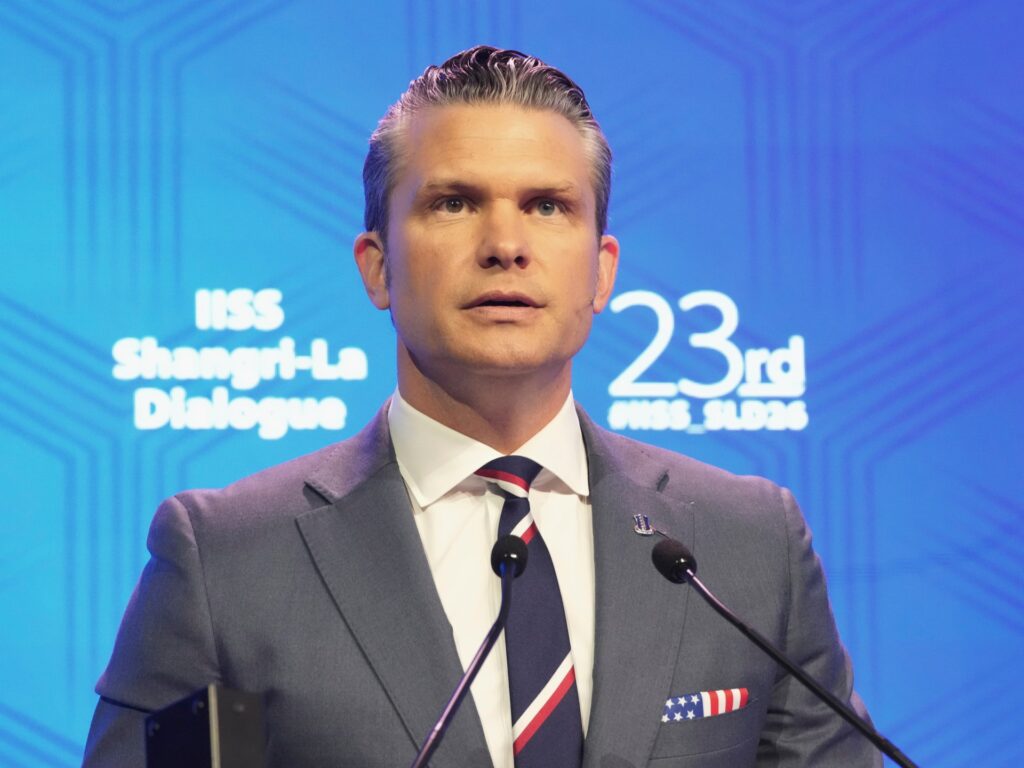
The recent protests in Bolivia have drawn significant international attention, with the US Defence Secretary drawing a controversial comparison between the demonstrations and a potential government overthrow. This statement comes amid escalating tensions following the electoral victory of Bolivian President Rodrigo Paz, who defeated the left-wing Movement for Socialism (MAS) party.
The Trump administration has openly supported President Paz in the wake of his victory, emphasizing a commitment to upholding democratic processes in Bolivia. The administration’s backing is seen as part of a broader effort to counter left-wing political influence in Latin America, particularly from groups aligned with former leader Evo Morales and his MAS party.
Protests erupted across Bolivia following the election results, with MAS supporters contesting the legitimacy of Paz’s win. Demonstrators accuse the government of electoral fraud, while supporters of Paz celebrate what they view as a democratic transition of power. The US Defence Secretary’s remarks highlight the delicate balance of international perspectives on the unfolding crisis.
The comparison to a government overthrow underscores concerns about potential instability in Bolivia’s political landscape. Analysts note that while peaceful protests are a legitimate form of political expression, the situation could escalate if factions within the country resort to more extreme measures.
The Bolivian government has called for calm and dialogue, urging all parties to respect the democratic process. Meanwhile, international observers continue to monitor the situation closely, wary of any developments that could lead to wider regional instability.
This episode in Bolivia reflects broader geopolitical dynamics, including US efforts to influence political outcomes in Latin America and the ongoing struggle between leftist movements and more conservative forces. The outcome of Bolivia’s political crisis could have significant implications for the country’s future direction and its relationships with global powers.
As tensions persist, the Bolivian people face uncertainty about their nation’s political future. The US Defence Secretary’s comparison serves as a stark reminder of the fragility of democratic institutions and the potential consequences when political conflicts escalate beyond peaceful protest. Observers hope that dialogue and democratic principles will prevail to ensure stability and prosperity for Bolivia moving forward.