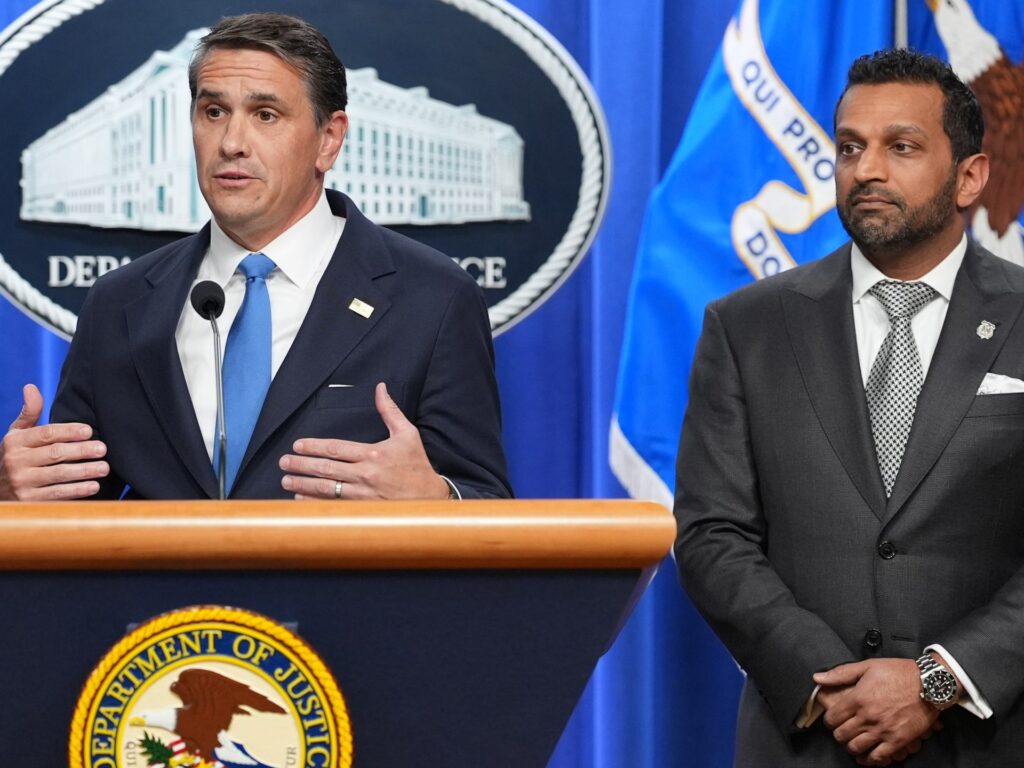
The Trump administration has initiated a lawsuit against the Southern Poverty Law Center (SPLC), alleging fraud. The SPLC, a civil rights group known for its efforts in monitoring hate groups and advocating for social justice, has been frequently targeted by conservative activists who dispute its characterizations and labeling practices.
The lawsuit marks a significant confrontation between the Trump administration and one of the nation’s most prominent civil rights organizations. The SPLC has long been in the crosshairs of conservative critics who accuse the group of bias and misrepresentation in its reports and activities.
Details of the lawsuit indicate that the Trump administration is accusing the SPLC of fraudulent practices in its funding or classification operations, though specific charges have not yet been fully disclosed. Legal experts suggest that if the claims hold, this could impact the SPLC’s operations and reputation substantially.
Supporters of the SPLC argue that the organization plays an essential role in exposing hate groups and protecting vulnerable communities. They see the lawsuit as a politically motivated attack aimed at weakening the group’s influence.
Conversely, conservative groups and politicians have welcomed the lawsuit, viewing it as a necessary check on what they perceive as the SPLC’s partisan and sometimes exaggerated labeling of individuals and organizations as extremist or hate groups.
The civil rights group responded to the lawsuit by affirming its commitment to fighting hate and discrimination and rejecting the fraud allegations as unfounded. The SPLC stated that it will vigorously defend itself against these claims.
This legal battle highlights the ongoing polarization in American politics around issues of civil rights, free speech, and the role of advocacy organizations in public discourse. The outcome of the lawsuit could have broader implications for similar organizations and their methods of operation.
Observers note that the SPLC has been influential in shaping public understanding of extremism and hate crimes in the United States. Its reports and classifications are widely cited by media, policymakers, and law enforcement.
The case adds to a series of controversies and legal challenges faced by the SPLC in recent years, reflecting the increasingly contentious environment in which civil rights groups operate.
As the lawsuit proceeds, attention will be focused on the evidence presented and the legal arguments from both sides. The proceedings promise to be closely watched by advocates, critics, and legal analysts.
Ultimately, the case against the SPLC underscores the deep divisions over civil rights issues in the current political climate and raises important questions about accountability, transparency, and the limits of advocacy.