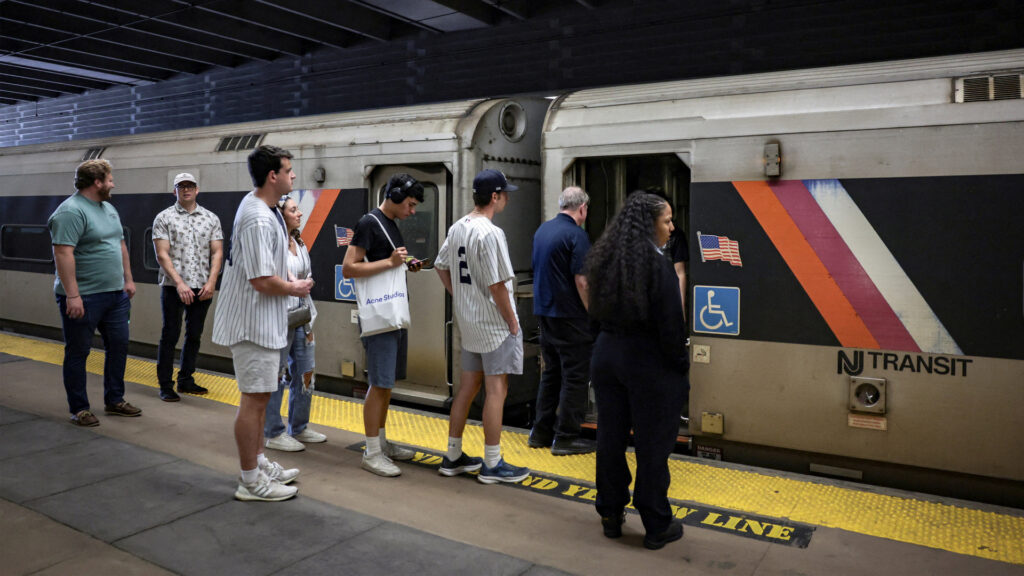
In a significant announcement, New Jersey authorities have revealed that transit fares from New York to MetLife Stadium for World Cup matches will see a substantial increase, with tickets priced at $150. This move is part of preparations to accommodate the surge in demand for transportation to the stadium during the globally anticipated event.
MetLife Stadium, located in East Rutherford, New Jersey, is set to host several high-profile World Cup matches, attracting fans from across the United States and around the world. The rise in transit fares reflects the need to manage the influx of spectators efficiently while maintaining security and comfort.
Transportation officials cited increased operational costs, enhanced security measures, and the need for additional service capacity as key factors driving the fare hike. Special transit services and increased frequency of trains and buses are planned to ensure smooth and timely travel for fans.
Commuters traveling from New York to the stadium will have access to limited special transit tickets priced at $150 each, a price point significantly higher than typical fares. This has sparked conversations about affordability and accessibility for fans, particularly those from low-income backgrounds.
Officials argue that the premium fare helps cover the costs of additional staffing, security, and infrastructure upgrades necessary to handle the event’s scale. They also emphasize efforts to provide alternative transit options at varying price points to accommodate different fan needs.
The increased fare is expected to be in place only during the World Cup event dates, ensuring that regular transit fares resume after the conclusion of the matches. New Jersey transit authorities are working closely with New York transportation agencies to coordinate schedules and ticketing systems.
Fans planning to attend the World Cup matches at MetLife Stadium are encouraged to purchase their special transit tickets in advance due to limited availability. These tickets guarantee entry to designated transit services specifically arranged for the event.
The World Cup is projected to draw hundreds of thousands of attendees, putting unprecedented demand on local transportation networks. The $150 ticket price reflects the extraordinary measures taken to ensure a safe and efficient transit experience for all.
While some critics highlight concerns about the affordability of these tickets, many understand the logistical challenges involved. As the event approaches, further updates and transit options are expected to be announced.
In summary, New Jersey’s decision to set transit fares at $150 for World Cup matches is a strategic measure to manage resources, enhance security, and provide specialized transportation. This step underscores the impact major international events have on local transit infrastructure and the balancing act between cost and accessibility for fans.