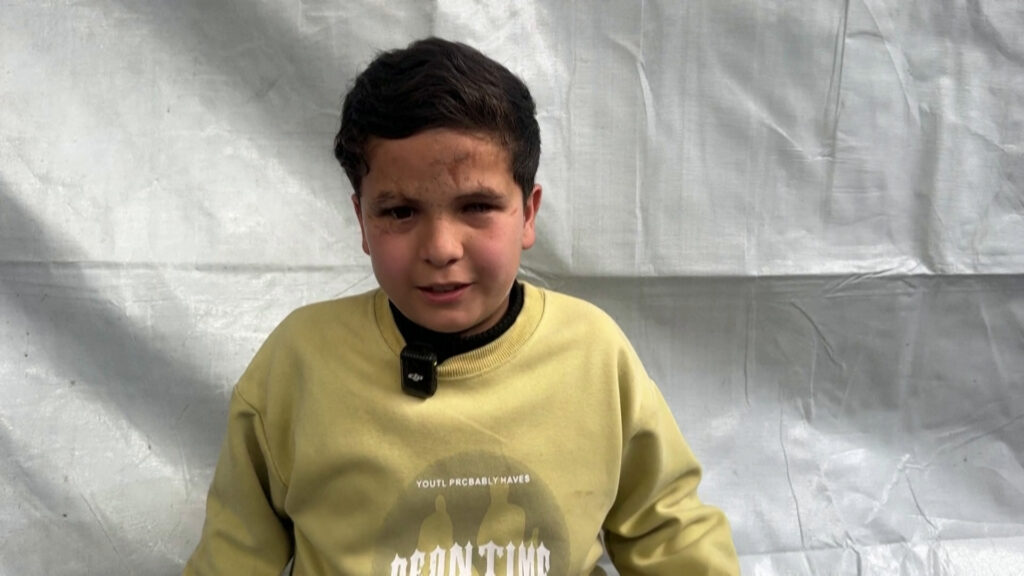
In the heart of Gaza, amidst the challenges and hardships, the Al-Noor Centre stands as a beacon of hope and empowerment for a very special group of children — those who are visually impaired. Established and operated by the United Nations Relief and Works Agency (UNRWA), Al-Noor provides essential education, rehabilitation, and psychosocial support to blind and visually impaired children, offering them a chance to lead a dignified and fulfilling life.
The Need for Al-Noor Centre
Gaza, a region burdened with conflict and economic hardship, often lacks adequate resources for children with disabilities, especially those with visual impairments. Traditional educational facilities may not accommodate their unique learning requirements, leaving many children without access to appropriate education and support. This gap results in social isolation, limited opportunities, and diminished hope for the future.
Role and Services of Al-Noor Centre
Al-Noor Centre was established to meet this urgent need. It provides specialized education tailored to the needs of visually impaired children, utilizing adaptive technologies, Braille literacy programs, and mobility training. The centre also offers psychological counseling and social activities that build self-confidence and foster a supportive community.
Teachers and staff at Al-Noor are specially trained to understand the challenges faced by visually impaired students, employing innovative teaching methods to ensure that every child can reach their potential. The centre often collaborates with families to involve them in the education process and prepare children for greater independence.
The Impact on Children and Families
For many children, attending Al-Noor is transformative. Beyond learning essential academic and life skills, the centre helps them build friendships and develop a sense of belonging. Families, too, find relief and hope, knowing their children are receiving the care and support they need to thrive.
Testimonies from parents highlight the centre’s role not just as an educational institution but as a lifeline that nurtures the children’s talents and restores their optimism. Many alumni of Al-Noor go on to achieve success in various fields, demonstrating the profound impact of early and specialized intervention.
Challenges and Future Aspirations
Despite its vital role, the Al-Noor Centre faces ongoing challenges, including limited resources, difficulties in acquiring adequate assistive devices, and the repercussions of the volatile situation in Gaza. Nonetheless, the dedication of the staff and the hope of the children fuel continued efforts to expand services and enhance the quality of education.
Looking ahead, UNRWA aims to strengthen the centre’s capabilities, increase community awareness about visual impairments, and advocate for broader inclusive policies across the region. Enhancing collaboration with international organizations and donors is also a priority to ensure sustainable support.
Conclusion
The Al-Noor Centre exemplifies how targeted support and inclusive education can empower vulnerable populations. For the visually impaired children of Gaza, it is more than a centre — it is a place where they are seen, heard, and given the tools to build a brighter future. In a world where obstacles can often seem insurmountable, Al-Noor shines as a symbol of resilience, hope, and opportunity.