In recent developments concerning the ongoing conflict in the Middle East, Tehran has vehemently demanded that the United States end its blockade of Iranian ports. This demand coincides with the reopening of a strategic strait, a crucial maritime route that has significant implications for regional and global trade.
The blockade has been a point of significant tension, impacting Iran’s ability to engage in international commerce and exacerbating economic pressures within the country. Tehran argues that the blockade not only violates international laws but also escalates tensions unnecessarily, urging a diplomatic resolution to the matter.
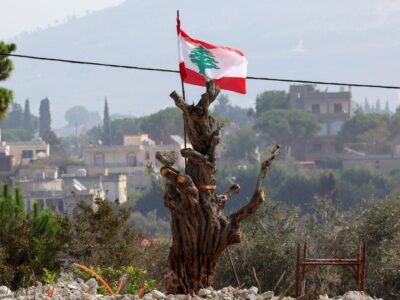
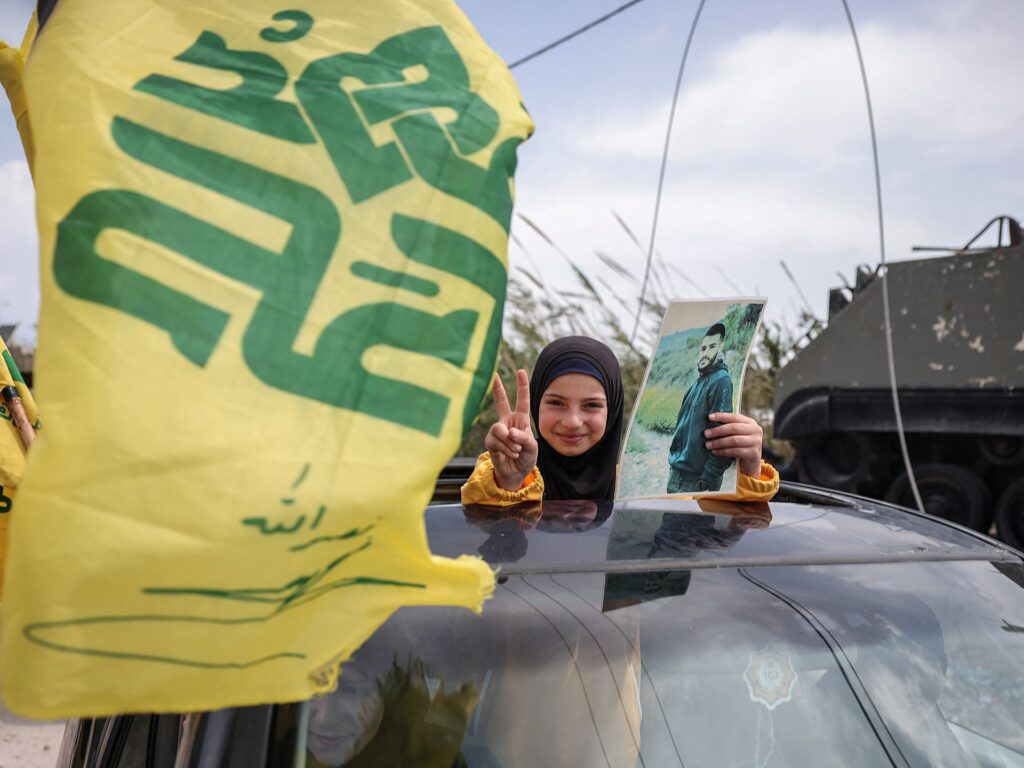
In parallel, the region of Lebanon, which has been severely affected by Israeli military attacks, has seen a development that brings a semblance of relief and hope. Tens of thousands of people who were forcibly displaced due to the hostilities have started to return to their homes following the first day of a newly established ceasefire.
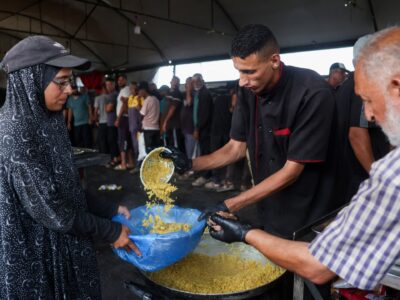
The ceasefire has created an essential window for humanitarian efforts and reconstruction activities to commence. While many homes and infrastructure have suffered considerable damage, the return of displaced residents marks a critical step towards stabilization and recovery in Lebanon.
International observers note that the reopening of the strait amidst the blockade calls highlights the complex geopolitical dynamics in the region. The strait serves as a vital artery for oil and goods transportation, and its operational status is closely monitored by global markets and political actors.
The ongoing conflict has resulted in significant human costs and regional instability. However, the ceasefire in Lebanon presents a hopeful opportunity for peace and rebuilding amidst longstanding tensions.
This situation underscores the urgent need for diplomatic engagement to resolve conflicts and address the humanitarian issues arising from the warfare. Both Tehran’s call to end the blockade and the ceasefire in Lebanon signal critical junctures that could influence the trajectory of peace and security in the Middle East.
As the international community continues to watch these developments, efforts to foster dialogue and cooperation remain paramount to prevent further escalation and to promote a durable peace in the region.