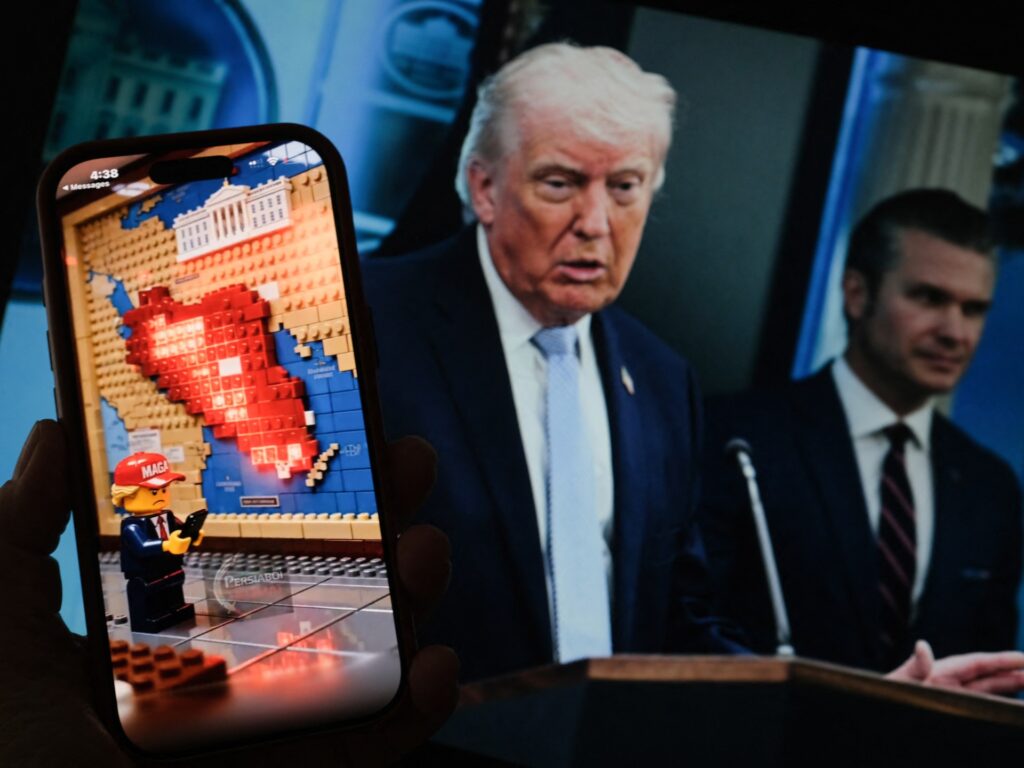
Iran has expressed strong condemnation following YouTube’s ban on a series of Lego-style AI videos produced by a pro-Iranian group. The videos, which creatively use Lego animated sequences to convey political messages, were removed by the platform, prompting a stern response from Iran’s Foreign Ministry. A spokesman for Iran’s Foreign Ministry criticized the ban, stating that it represents an attempt to “suppress the truth about their illegal war on Iran.” This remark alludes to ongoing tensions and conflicts involving Iran, highlighting the country’s viewpoint on external efforts to silence pro-Iranian voices online.
The Lego-style AI videos became popular for their unique approach to narrate stories related to Iran’s political stance, historical conflicts, and cultural narratives. By using animated Lego figures, the videos attracted not only supporters within Iran but also an international audience interested in alternative media storytelling methods. The ban by YouTube has ignited debates around censorship, digital freedom, and the role of social media platforms in regulating politically sensitive content.
YouTube, owned by Google, often removes content that it deems violates its community guidelines, including misinformation, hate speech, or incitement to violence. However, here the decision has sparked accusations from Iranian officials who view the action as bias against Iranian perspectives. The Foreign Ministry spokesman emphasized that such moves are part of a broader strategy to undermine Iran’s image and restrict access to narratives presenting Iran’s version of events.
This incident adds to the growing tensions between Iran and Western technology companies regarding content moderation and freedom of expression. Iran has historically faced numerous restrictions and bans on digital platforms, which the government attributes to political motives rather than legitimate policy enforcement. Pro-Iranian groups often rely on creative and novel forms of digital expression like these Lego-style animations to circumvent censorship and communicate their messages effectively.
The removal of these videos also raises important questions about the balance between combating misinformation and enabling diverse political discourse. Advocates for digital freedom argue that platforms should ensure their policies do not disproportionately affect groups based on political affiliations or national origin. They call for transparent guidelines and dialogue with affected communities to maintain open and fair communication channels.
In summary, Iran’s sharp critique of YouTube’s ban on these AI-generated Lego-style videos underscores ongoing conflicts over digital information control, political expression, and the global reach of social media platforms. As debates continue, this case exemplifies the complex intersection of technology, politics, and media in the digital age, reminding stakeholders of the delicate task to balance regulation and freedom on a worldwide stage.