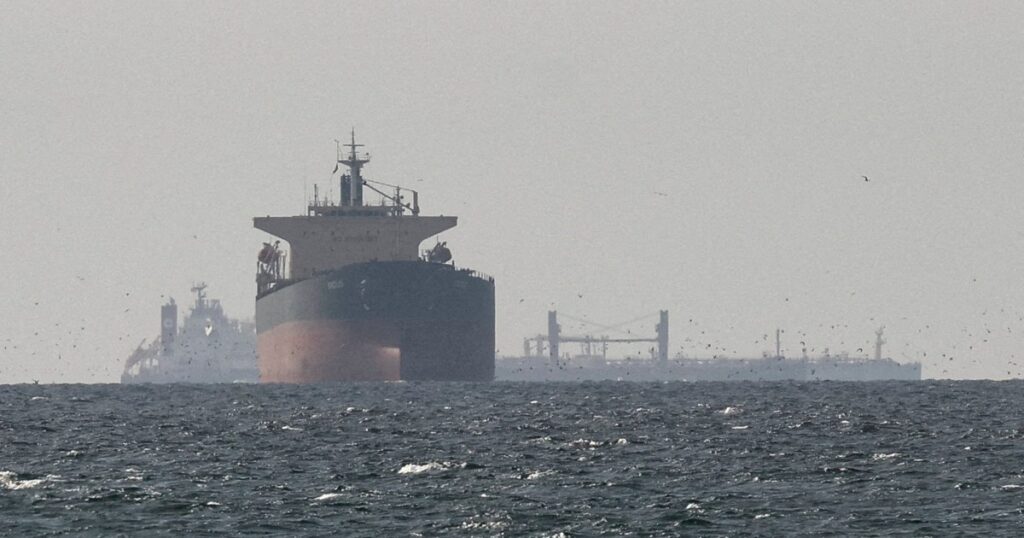
In a significant development, the Chinese-owned tanker Rich Starry has become the first sanctioned vessel to successfully transit the Strait of Hormuz following the imposition of a stringent US blockade. This move marks a notable shift in maritime dynamics in the region, where the Strait of Hormuz remains a crucial and strategic waterway for global oil shipments.
The US blockade, which aims to restrict certain vessels from accessing the Gulf, has created a heightened atmosphere of tension and vigilance among maritime operators. Despite these challenges, the transit of the Rich Starry signals a test of the blockade’s effectiveness and raises questions about enforcement and compliance measures.
The Strait of Hormuz is one of the world’s most vital chokepoints for oil transportation, with approximately 20% of global petroleum passing through this narrow passageway between the Persian Gulf and the Gulf of Oman. Control and security of this route have been perennial concerns for international stakeholders, particularly amid geopolitical disputes involving the US, Iran, and their respective allies.
The sanctioned status of the Rich Starry typically implies restrictions related to trade, ownership, or activities that violate international sanctions regimes. The vessel’s successful passage without interception highlights the complexities involved in monitoring and enforcing sanctions at sea.
Maritime experts suggest that such operations require enhanced coordination among naval forces and surveillance systems in the region to ensure that sanctions are upheld without escalating military confrontations. Meanwhile, shipping companies and insurers are reassessing risk management strategies concerning sanctioned vessels and the continued unpredictability of these waters.
This incident also underscores the broader implications for global energy markets, as any disruptions or uncertainties in the Strait of Hormuz can lead to fluctuations in oil prices and impact supply chains worldwide. Stakeholders including governments, oil producers, and importers are closely monitoring the situation to gauge potential developments.
Diplomatic efforts remain crucial to de-escalate tensions and establish protocols that balance enforcement with the safe and uninterrupted flow of maritime traffic. The transit of Rich Starry may prompt further dialogue on international maritime law, sanctions enforcement, and measures to prevent conflict escalation in this geopolitically sensitive region.
As the situation evolves, the global community watches with keen interest how sanctioned vessels will be managed amid heightened military and political pressures, bearing significant consequences for regional stability and international commerce.