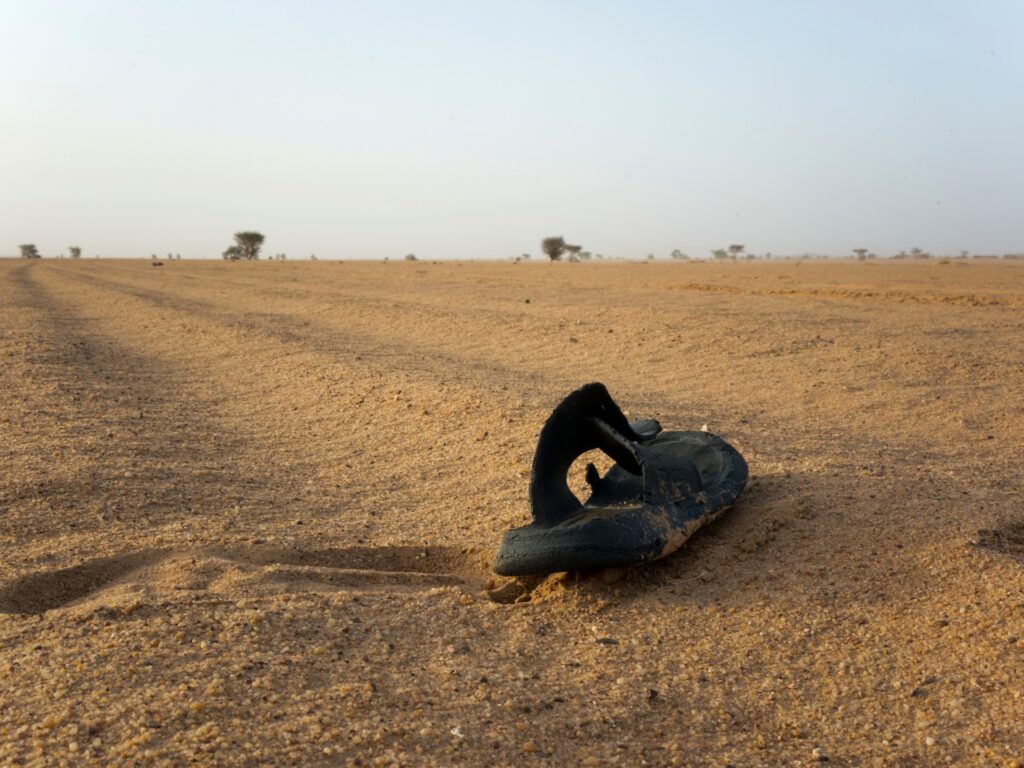
A devastating incident occurred in the harsh expanse of the Niger desert where at least 49 people tragically died of thirst following a truck breakdown. The victims were part of a group traveling through one of the world’s most arid and unforgiving landscapes when their vehicle ceased to function, leaving them stranded without sufficient water.
The severity of the desert environment compounded the dire situation. With scorching temperatures and extremely limited resources, the stranded passengers faced an insurmountable struggle to survive. The truck’s failure in such a remote location meant help was not immediately accessible, escalating the fatal circumstances.
Remarkably, amid the tragedy, two individuals managed to survive. After the truck broke down, these survivors undertook an arduous journey, walking more than 50 kilometers through the unforgiving desert terrain. Their relentless determination led them to find a water source, a crucial step that ensured their survival.
Following their discovery of water, the survivors continued their trek to a nearby town where they were able to receive assistance and alert authorities about the plight of those left behind. Their brave and determined effort enabled the rescue teams to locate the scene and confirm the tragic casualties.
This incident underscores the extreme dangers posed by travel in desert regions, particularly when adequate preparations and emergency plans are absent. The lack of water in the desert creates a life-threatening scenario in a matter of hours, highlighting the vital importance of carrying sufficient supplies and having reliable vehicle maintenance.
Authorities in Niger are investigating the circumstances surrounding the breakdown and will likely review travel safety protocols in such hazardous environments. This tragedy serves as a stark reminder of the risks that come with traversing remote desert areas, and the critical need for safety measures to prevent such losses in the future.
The local communities and families affected by this disaster are mourning the loss of their loved ones. Efforts are being made to provide support to them in these difficult times.
The Niger desert is known for its beauty and vastness, but also for its unforgiving climate and dangerous travel conditions. Travelers are advised to exercise extreme caution, prepare adequately, and respect the natural challenges posed by such harsh environments.
The survival of the two individuals who walked over 50 kilometers highlights both the fragility and resilience of human life in extreme conditions. Their story is one of hope amid tragedy and a call to action for improved safety and emergency response mechanisms in desert travel.
In conclusion, the incident in the Niger desert resulting in at least 49 deaths is a somber reminder of the perils of desert travel. It emphasizes the need for careful planning, sufficient resources, and clean communication channels in crisis situations. The bravery of the survivors serves as an inspiring tale of endurance and a beacon urging stronger protections for travelers in challenging landscapes.