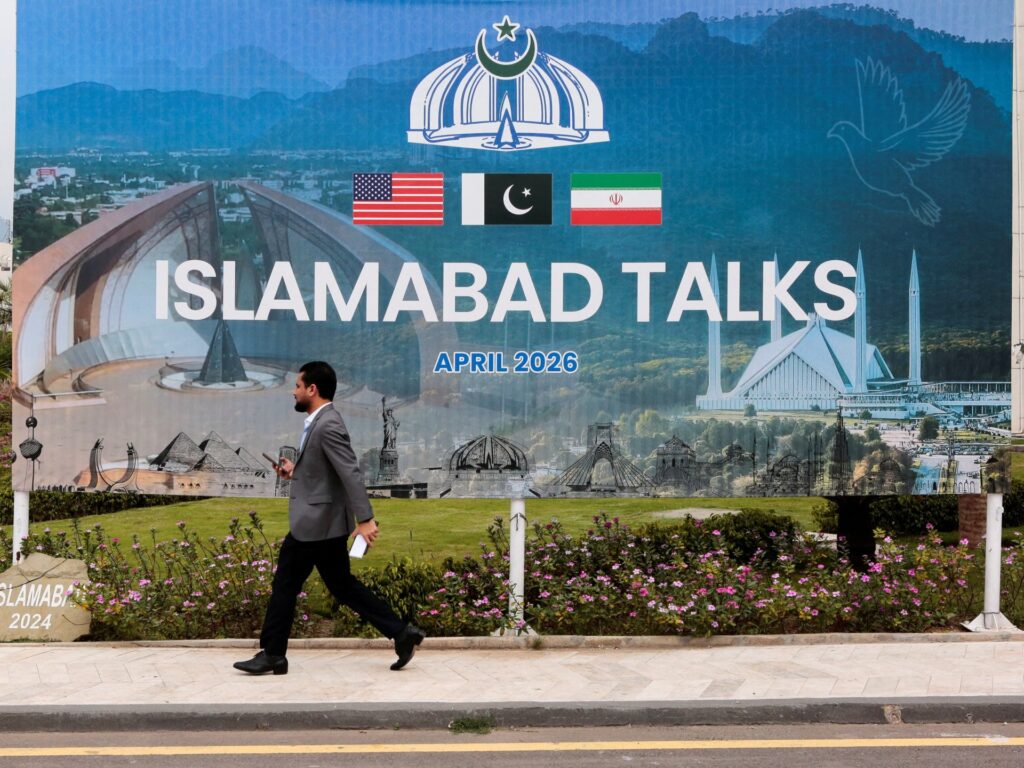
Direct talks between Iran and the United States have resumed for a second consecutive day in Islamabad, aimed at addressing ongoing tensions and fostering a diplomatic path forward. These discussions are particularly focused on the stability and security of the strategically vital Strait of Hormuz, a critical chokepoint for global oil shipments.
The Strait of Hormuz is a narrow waterway that connects the Persian Gulf with the Gulf of Oman and the Arabian Sea, through which a significant percentage of the world’s petroleum passes. Given its importance, any conflict or disruption in this area has far-reaching implications for global energy markets and international relations.
Iran has long asserted its influence and control over the strait, often positioning its military presence as a deterrent against threats to its sovereignty and interests. Conversely, the US’s involvement and military presence in the region have been framed as safeguarding freedom of navigation and securing energy supplies.
The renewed dialogues in Islamabad indicate both nations’ willingness to engage diplomatically despite significant historical tensions and conflicts of interest in the Middle East. The talks aim to reduce the risk of military confrontation and enhance mutual understanding on navigation rights and security protocols in the Strait.
Spokespersons from both sides have kept details of the negotiations relatively confidential but acknowledge the complexity and sensitivity surrounding the topics discussed. The discussions reportedly cover issues such as maritime safety, preventing hostile engagements, and mechanisms for communication and crisis management.
The choice of Islamabad as the negotiation venue underscores Pakistan’s strategic role and neutral positioning in regional affairs, acting as a mediator and facilitator in complex geopolitical negotiations.
International observers have welcomed the talks, viewing them as a positive step toward reducing volatility in the region and supporting global economic stability. However, analysts caution that resolving deep-seated issues will require sustained engagement and confidence-building measures from both the US and Iran.
The ongoing talks in Islamabad represent a crucial development in Middle Eastern diplomacy, holding potential not only for immediate conflict de-escalation but also for setting a precedent for future dialogues between Tehran and Washington.
As discussions progress into the second day, the international community remains attentive to any outcomes that could influence the fragile geopolitical landscape of the region and impact the global energy market. The continuing negotiations exemplify the complexities of international diplomacy where strategic interests, regional security, and global economics intersect.