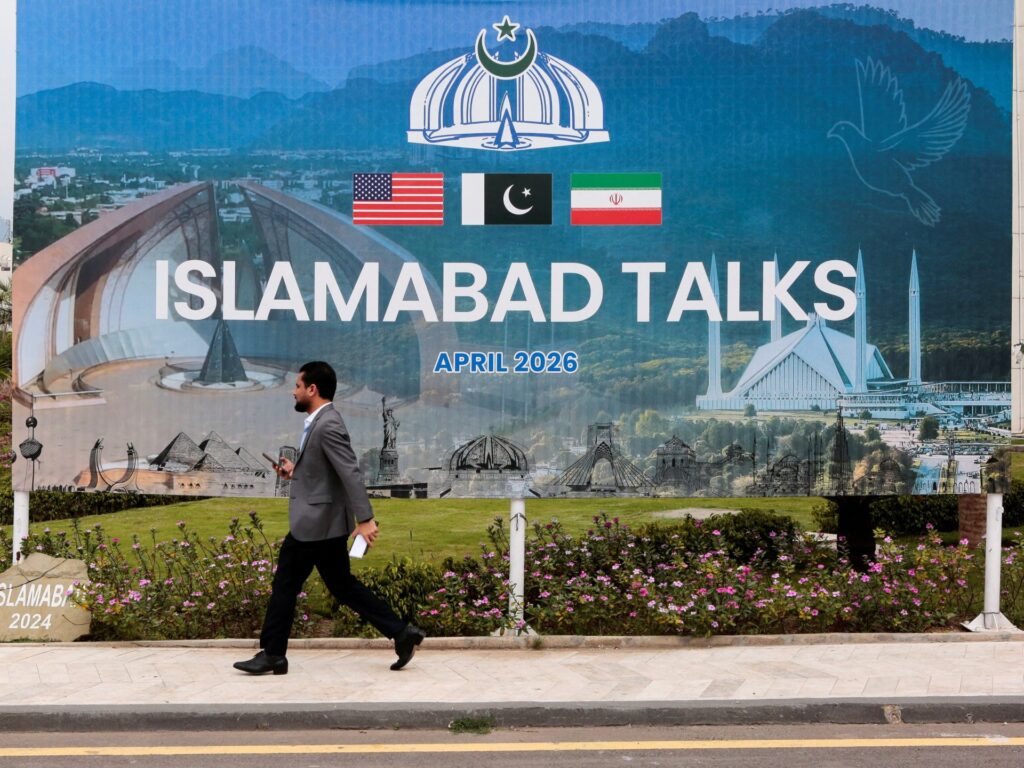
The ongoing direct talks between Iran and the United States in Islamabad have reached a critical juncture, with no agreement yet finalized. UN envoy Tor Wennesland confirmed on Tuesday that the US has presented its “best and final offer,” but discussions continue, highlighting the complexities involved. The talks aim to address longstanding tensions and security concerns in the region, particularly focusing on the strategic Strait of Hormuz. This narrow waterway is vital for global oil shipments and has been a flashpoint for conflict and geopolitical maneuvering. The negotiations underscore the importance of diplomacy in navigating the challenges of regional security and stability. Both sides remain engaged in talks, with observers closely monitoring developments given the potential implications for global energy markets and regional peace. The United States continues to emphasize the need for a diplomatic solution that ensures safe navigation through the Strait of Hormuz, while Iran seeks relief from economic sanctions and greater recognition of its regional role. The outcome of these negotiations could significantly impact future US-Iran relations and the broader geopolitical landscape in the Middle East. As discussions proceed, international actors remain hopeful for a peaceful resolution that prevents escalation and fosters cooperation. The diplomatic efforts in Islamabad represent a crucial attempt to de-escalate rising tensions and establish frameworks for ongoing dialogue, with the Strait of Hormuz negotiations a central focus. Both Iran and the US have signalled their willingness to continue engagement despite the difficulties, reflecting the high stakes involved in the talks. The coming days will be pivotal in determining whether a breakthrough can be achieved or if further diplomatic efforts will be necessary. This ongoing dialogue offers a glimpse into the complexities of international diplomacy where strategic interests and security concerns intertwine. The negotiations also reflect wider regional dynamics, with many countries keenly watching the outcome for its impact on stability and security. While the path forward remains uncertain, the commitment of both parties to dialogue is an encouraging sign amid challenging circumstances. In the past, the Strait of Hormuz has been the arena for incidents affecting maritime security, highlighting the need for clear agreements. The current talks are seen as a rare direct communication channel between Washington and Tehran, aimed at reducing misunderstandings and preventing conflict escalation. Analysts point to the importance of maintaining open channels and building trust to achieve lasting solutions. The complexity of issues on the table, including economic sanctions, maritime security, and regional influence, makes these talks particularly challenging. Nevertheless, the potential benefits of a successful agreement are substantial for regional peace, global markets, and international relations. The mediators hope that the ongoing talks can pave the way for future cooperation on broader issues beyond the immediate crisis. The historical context of US-Iran relations adds layers of difficulty but also underscores the need for persistent diplomatic engagement. The continued presence of international mediators and the choice of Islamabad as the meeting venue reflect a concerted effort to create a neutral environment conducive to progress. Both Iran and the US have expressed cautious optimism while acknowledging the road ahead is fraught with challenges. The global community remains vigilant, recognizing the significance of these talks for international security and economic stability. Any breakthrough or setback will likely influence not only bilateral relations but also the wider geopolitical landscape across the Middle East and beyond. These negotiations thus stand as a critical example of the complexities and possibilities inherent in contemporary diplomacy focused on conflict resolution and security assurance.