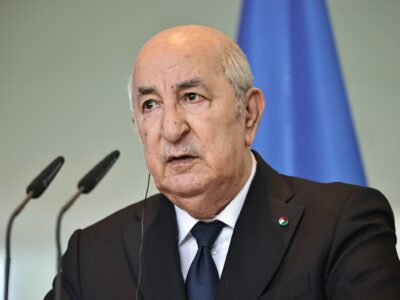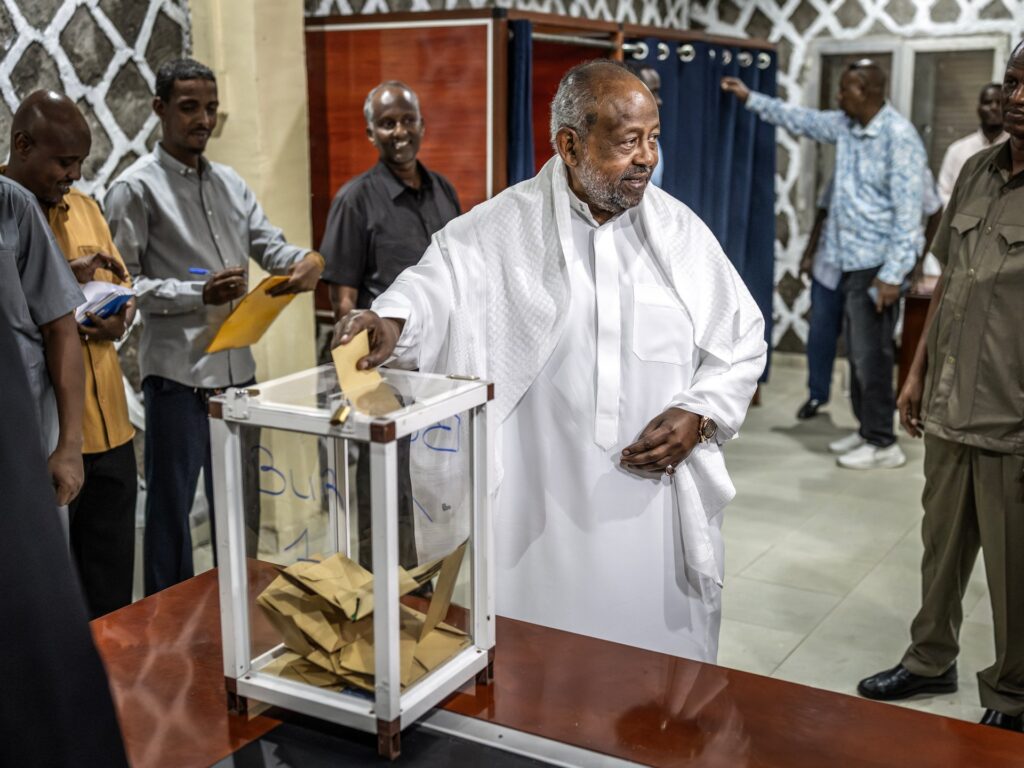
Djibouti’s President Ismaïl Omar Guelleh has claimed a sixth consecutive term in office, solidifying his long-standing grip on power since 1999. According to the official results released by the country’s electoral commission, President Guelleh secured an overwhelming 97 percent of the vote, a margin that underscores his dominant position in Djiboutian politics.
President Guelleh has been a significant figure in Djibouti’s political landscape for over two decades. His reign, beginning in 1999, has been marked by efforts to maintain stability and foster economic development in a strategically important country located in the Horn of Africa. Under his leadership, Djibouti has become a key hub for international military bases and has attracted foreign investment, especially in port infrastructure.
The recent election which granted him his sixth term was closely watched both domestically and internationally. Critics have pointed to the lack of a strong opposition and questioned the transparency of the electoral process. Human rights organizations have previously raised concerns about restrictions on press freedom and political dissent during Guelleh’s tenure.
Supporters of President Guelleh argue that his administration has been essential for maintaining peace in a volatile region and driving economic growth. Djibouti’s strategic positioning along the Bab-el-Mandeb Strait, a vital maritime chokepoint, has helped the country leverage its geopolitical importance to attract foreign partnerships, notably from China, the United States, and France.
Despite the overwhelming election victory, challenges remain for Djibouti. Economic disparities, youth unemployment, and social inequality are ongoing issues that the government needs to address. The forthcoming term will likely test President Guelleh’s ability to balance international relations while improving domestic welfare.
The continuation of Guelleh’s leadership signals political continuity for Djibouti but also invites scrutiny on governance practices and democratic standards. With six terms under his belt, Guelleh stands as one of Africa’s longest-serving leaders, shaping the trajectory of his nation through times of regional conflict and economic change.
As international observers and domestic critics discuss the implications of the election results, the world watches to see how President Guelleh will steer Djibouti in the coming years amid changing geopolitical dynamics and internal demands for reform. His extended tenure is a testament to both his political acumen and the complexities of governance in a strategically vital but challenging regional context.