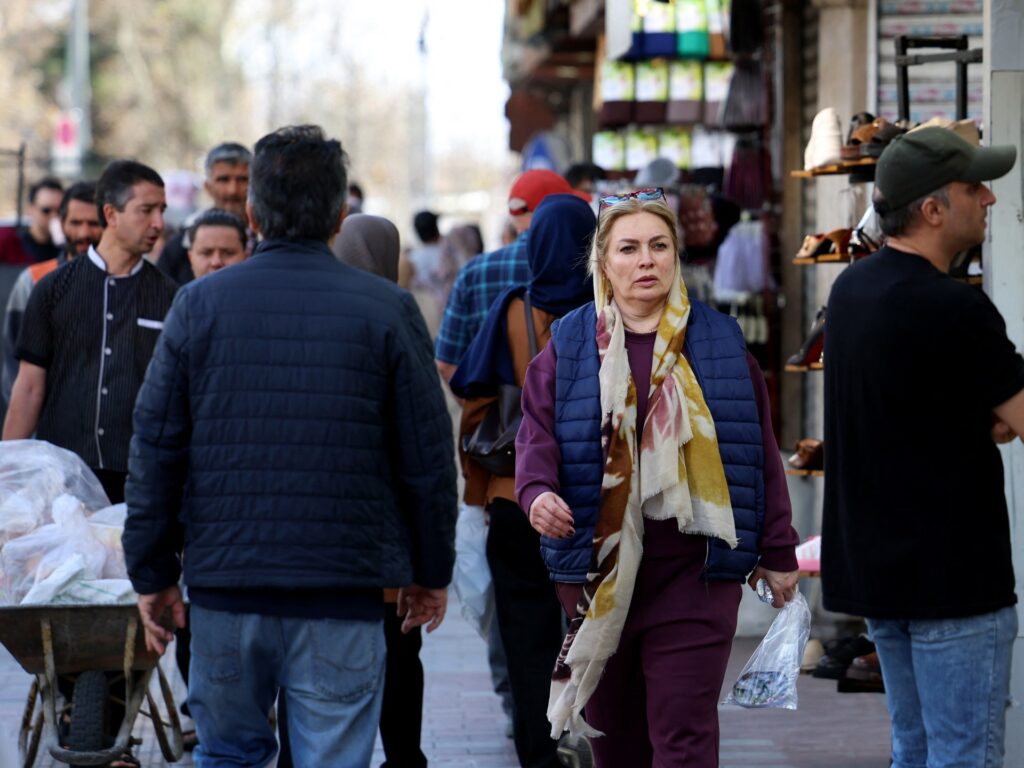
The recent ceasefire has brought a tangible sense of relief to many Iranians, who have faced significant hardships amidst ongoing regional tensions and economic challenges. One of the most visible signs of this easing comes from Tehran’s Grand Bazaar, a historic and vital commercial hub for the city and the country at large. Vendors and shopkeepers report that activity has picked up since the announcement of the ceasefire, with more customers visiting the market compared to the period before the truce was declared.
The Grand Bazaar, often considered the heart of Tehran’s commerce, had seen a notable decline in foot traffic during the height of the conflict fears. The uncertainty and instability had kept many locals away, wary of any disruptions or potential escalations. With the ceasefire, streets around the bazaar have become livelier, and more stalls and shops have reopened, signaling a hopeful if cautious, return to normalcy.
However, despite this uptick in market activity, vendors are quick to point out that sales remain slow, reflecting deeper underlying economic issues. The Iranian economy has been grappling with a range of complex problems, including inflation, currency devaluation, and international sanctions that predate the recent conflict but have been exacerbated by it. Consequently, even as trade picks up, disposable income for many consumers remains limited.
Economic experts underscore that while the ceasefire eases immediate geopolitical tensions, it does not resolve the structural economic challenges Iran faces. These include persistent inflation rates that erode purchasing power and a business environment complicated by sanctions and restrictive trade policies. Recovery, they argue, will require comprehensive reforms and renewed international engagement.
For ordinary Iranians, the pause in hostilities means a moment of respite and a chance to regain some stability in daily life. The Grand Bazaar’s increased footfall symbolizes this hard-won calm but also highlights the cautious optimism prevailing among traders and shoppers alike. Many hope that sustained peace will lead to broader improvements in economic conditions, allowing businesses to thrive and households to rebuild their financial security.
In summary, the ceasefire has initiated a modest revival of commercial activities in Tehran, primarily visible in the Grand Bazaar. Yet, the broader economic outlook remains challenging, with slow sales indicating an economy still under strain. The situation presents a complex picture of a society balancing relief with uncertainty, seeking pathways toward a more hopeful and prosperous future despite significant hurdles.