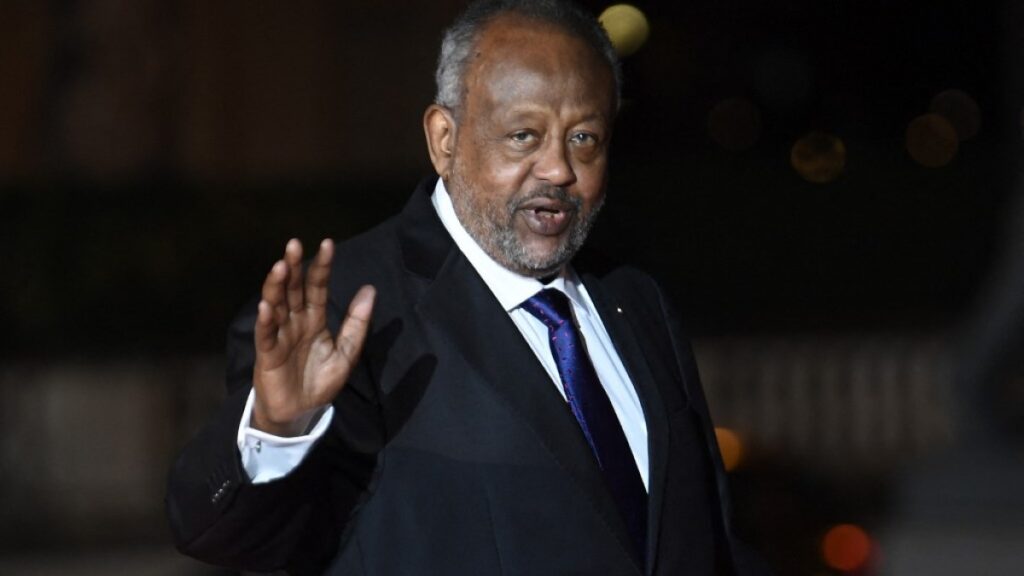
As Djibouti prepares for its upcoming presidential elections, incumbent President Ismaïl Omar Guelleh faces little to no substantial opposition as he aims to secure a sixth term in office. Guelleh, who has ruled Djibouti since 1999, remains a dominant figure in the country’s political landscape.
The strategic location of Djibouti in the Horn of Africa — controlling access to the Red Sea and the Bab el-Mandeb Strait — makes the elections significant beyond its borders, with regional and global powers closely monitoring the process.
In recent years, the political environment in Djibouti has been characterized by limited competition, with opposition parties either fragmented, marginalized, or boycotting elections altogether. This state of affairs ensures that Guelleh continues to enjoy firm control over the country’s political and security apparatus.
Guelleh’s continued rule is often justified by his supporters on the grounds of stability and economic progress, particularly leveraging Djibouti’s strategic ports, foreign military bases, and infrastructural development projects. These factors have contributed to Djibouti’s emergence as an important logistics hub.
However, critics argue that democratic processes in Djibouti are undermined by the absence of a viable opposition, restrictions on political freedoms, and a media environment that lacks independence. The lack of strong rivals in the race further cements Guelleh’s grip on power.
Key elements at stake in this election include governance transparency, political pluralism, and the future of Djibouti’s democratic development. The international community remains vigilant, pressing for a credible electoral process that ensures fairness and inclusiveness.
Despite the lack of real competition, some minor candidates have entered the race but are viewed largely as symbolic challengers. Their participation does little to challenge Guelleh’s entrenched position.
The outcome of the election will have a lasting impact on Djibouti’s internal political stability and its role in the geopolitics of the Horn of Africa. Guelleh’s sixth term could further consolidate his policies and partnerships, while the absence of a strong opposition risks perpetuating a governance model that critics say stifles dissent.
In summary, Djibouti’s 2024 election is less a contest and more a confirmation of the status quo, with President Ismaïl Omar Guelleh poised to extend his lengthy rule, underlining both the strategic importance of the country and the challenges faced by its democracy.