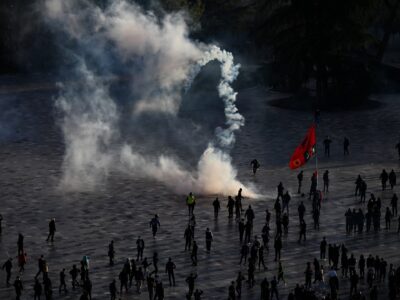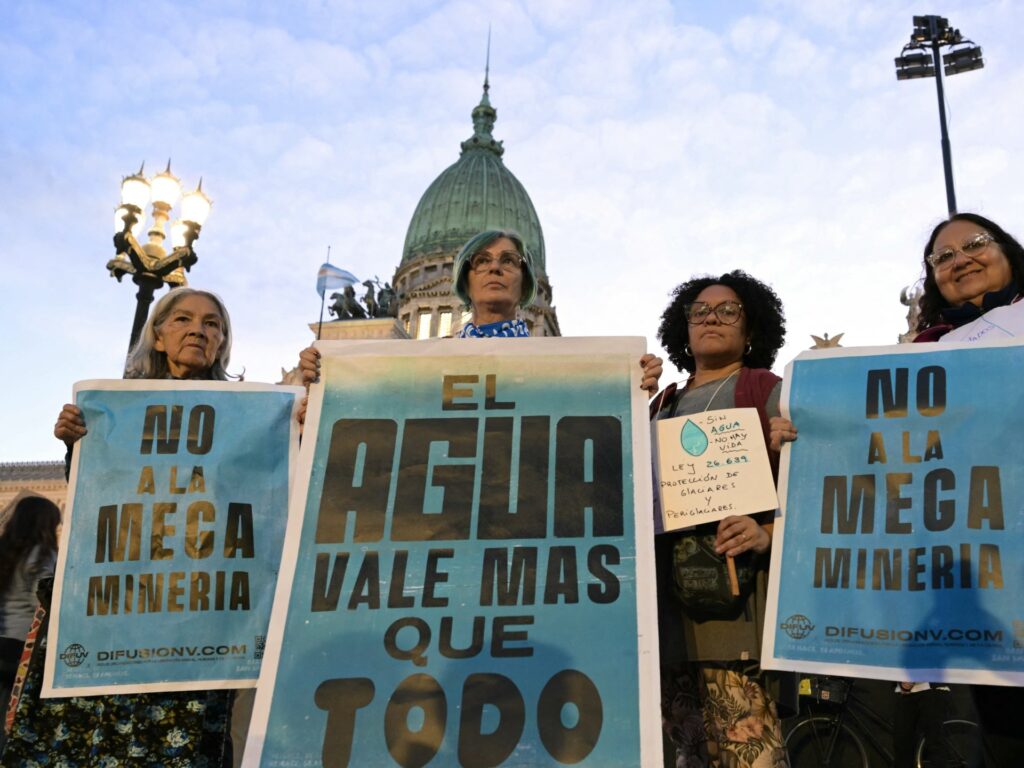
Argentina’s Parliament has passed a contentious bill that permits mining activities in glacier-protected areas, sparking widespread outrage and protests across the country. The law, which has been met with fierce opposition from scientists, environmental activists, and thousands of citizens, raises serious concerns regarding the potential impact on vital water resources.
Glacier regions in Argentina are critical for maintaining freshwater supplies, feeding rivers and reservoirs that supply drinking water, agriculture, and hydroelectric power. Critics argue that allowing mining in these sensitive areas could lead to contamination, accelerated glacier retreat, and long-term ecological damage.
Demonstrations erupted nationwide as activists voiced their disapproval, highlighting the environmental risks and urging the government to reconsider the legislation. Scientific communities emphasize that glaciers act as natural water reservoirs, especially important amid changing climate conditions that already threaten water security.
Supporters of the bill argue that mining is essential for economic development, job creation, and harnessing natural resources that can boost the country’s industry and export revenues. They claim that regulations will be enforced to mitigate environmental impacts, though detractors remain skeptical.
The bill’s approval marks a significant shift in Argentina’s environmental policy, prioritizing mining interests potentially at the expense of ecological preservation and long-term sustainability. Environmental organizations warn that once glacier environments are compromised by mining, the damage may be irreversible.
This legislative decision puts Argentina at the center of a broader global debate balancing natural resource exploitation and environmental conservation. The unfolding situation will be closely monitored by international environmental groups and governments concerned about freshwater sustainability and climate change mitigation.
In response to the strong public backlash, some lawmakers have called for revisiting the legislation to ensure stronger environmental protections. However, the government maintains that the new law aligns with national economic priorities.
As protests continue and the environmental community rallies for glacier protection, the future of Argentina’s glaciers—and the water they provide—remains uncertain amid this political and ecological clash.