In a recent escalation of violence in the Middle East, several people have been reported killed in fresh Israeli attacks on Lebanon. This development marks a significant intensification of the ongoing conflict between Israel and Hezbollah, the Lebanese Shiite militant group and political party.
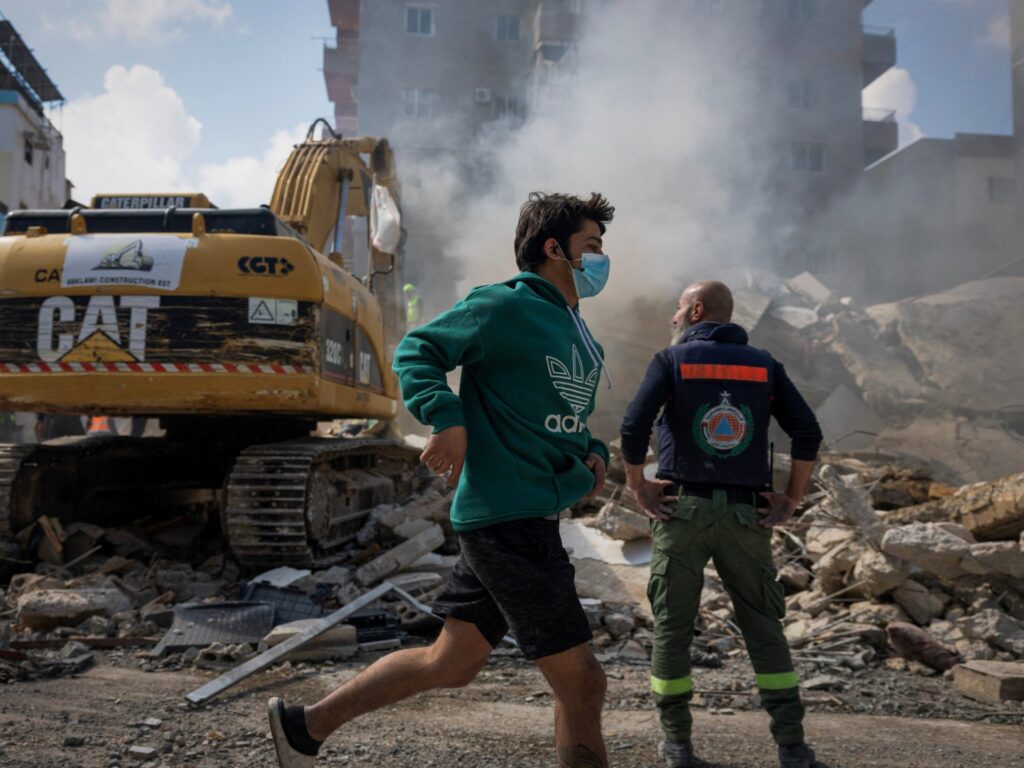
The attacks, which targeted various locations in Lebanon, have primarily impacted civilian areas, leading to numerous casualties and widespread destruction. Lebanon, already grappling with economic and political crises, now bears the brunt of these renewed military actions.
Israel claims that the strikes were aimed at eliminating a close aide to Hezbollah’s leader, a move that Israel says is crucial to curbing the militant group’s activities and preventing future attacks on Israeli territory. The Israeli government maintains that these operations are defensive measures in response to threats posed by Hezbollah and its Iranian backers.
The situation has raised serious concerns about the stability of a fragile truce brokered between the United States and Iran, which has been instrumental in mitigating direct confrontations in the region. Analysts warn that the killing of a high-profile Hezbollah figure could provoke retaliatory attacks, potentially dragging Lebanon and Israel into a wider conflict.
Diplomatic efforts are underway to de-escalate tensions, with international actors urging restraint on all sides. However, the deep-seated animosities and strategic interests involved make the prospect of a lasting peace challenging.
This latest flare-up underscores the volatility of the Middle East and the complex interplay of regional and international forces that influence the conflict. As Lebanon endures another round of violence, the humanitarian cost continues to rise, highlighting the urgent need for renewed dialogue and conflict resolution initiatives.
The global community watches closely as events unfold, hoping for a return to stability and an end to the cycle of violence that has plagued the region for decades.