In a significant escalation in the Middle East conflict, Lebanon’s Hezbollah and Yemen’s Houthis have reportedly launched a coordinated attack on Israel alongside their key ally, Iran. This marks a rare collaboration between these groups, underscoring the expanding scope of regional tensions and proxy conflicts involving Israel and the Iranian-backed factions.
The Houthis in Yemen publicly announced their participation in the strike, expressing solidarity with Hezbollah and Iran in what they framed as a united front against Israel. This development highlights a complex web of alliances that extend across the Middle East, linking Iranian-backed militias from Lebanon and Yemen in coordinated military actions.
Hezbollah, a powerful Shiite militia based in Lebanon and supported by Iran, has long been engaged in conflict with Israel, frequently launching rocket attacks and engaging in border skirmishes. The group has served as a proxy for Iran’s regional ambitions, aiming to counterbalance Israeli and Western influence.
Yemen’s Houthis, engaged in a brutal civil war within their own country, have also declared hostility toward Israel. They have repeatedly aligned themselves with Iran’s anti-Israel stance, and their involvement in this coordinated strike represents a significant expansion of their military activity beyond Yemen’s borders.
Iran’s role in orchestrating this multi-front attack signals Tehran’s strategic intent to pressure Israel from multiple theaters simultaneously, complicating Israeli defense efforts and increasing regional instability. The strike comes amid heightened tensions following a series of conflicts and diplomatic disputes in the region.
Israel has historically responded firmly to attacks by Hezbollah and other militias, often conducting airstrikes and military operations aimed at deterring future assaults. The new collaboration between Hezbollah and the Houthis introduces a broader dimension to Israel’s security concerns, potentially opening a southern front from Yemen in addition to the traditional northern front in Lebanon.
Analysts note that such coordinated strikes can shift the balance of power and complicate the geopolitical landscape, forcing Israel and its allies to reconsider their strategic priorities. The alliance between Iran, Hezbollah, and the Houthis exemplifies Iran’s ability to mobilize disparate groups across the Middle East to serve its geopolitical agenda.
The international community has expressed concern over the increased hostilities and the risk of a wider regional conflict. Diplomatic efforts may intensify to de-escalate tensions and prevent further military exchanges that could spiral into a larger war.
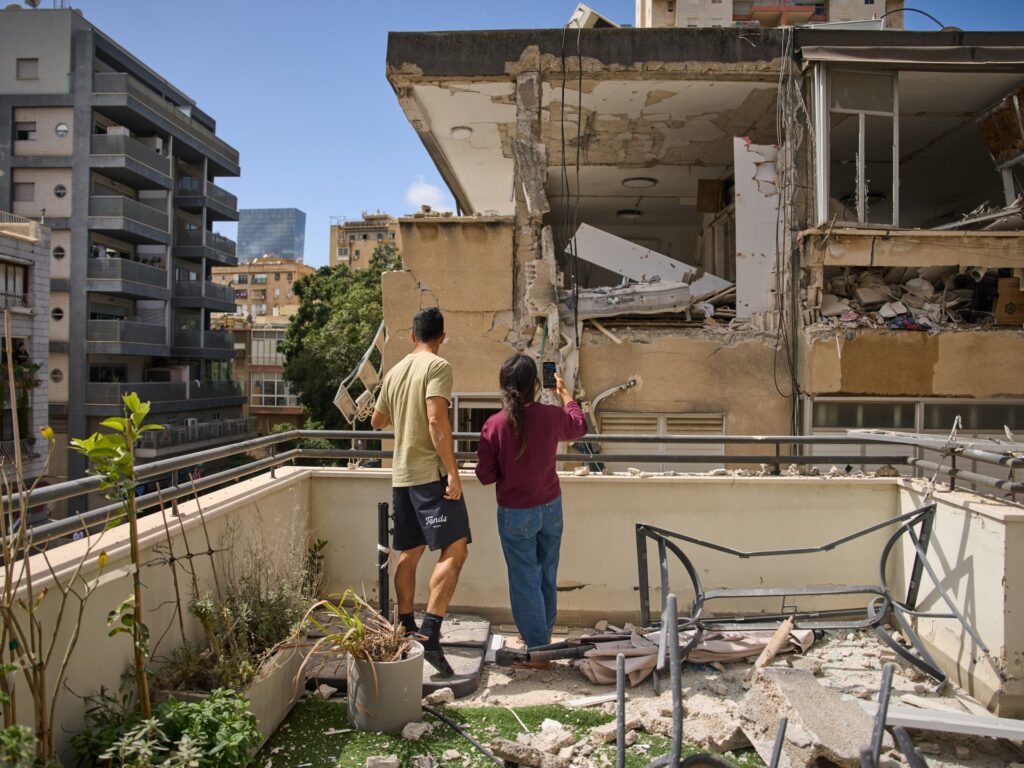
Meanwhile, civilians in both Israel and the territories controlled by these militias face heightened dangers amid the ongoing conflict, with risks of casualties and displacement rising as hostilities intensify.
In summary, the joint strike by Lebanon’s Hezbollah and Yemen’s Houthis, backed by Iran, marks a significant escalation in the Israeli-Persian Gulf conflict, signaling a more coordinated and multi-front approach by Iran and its allies against Israel. This development underscores the fragility of peace in the Middle East and the profound challenges that lie ahead for regional security and stability.