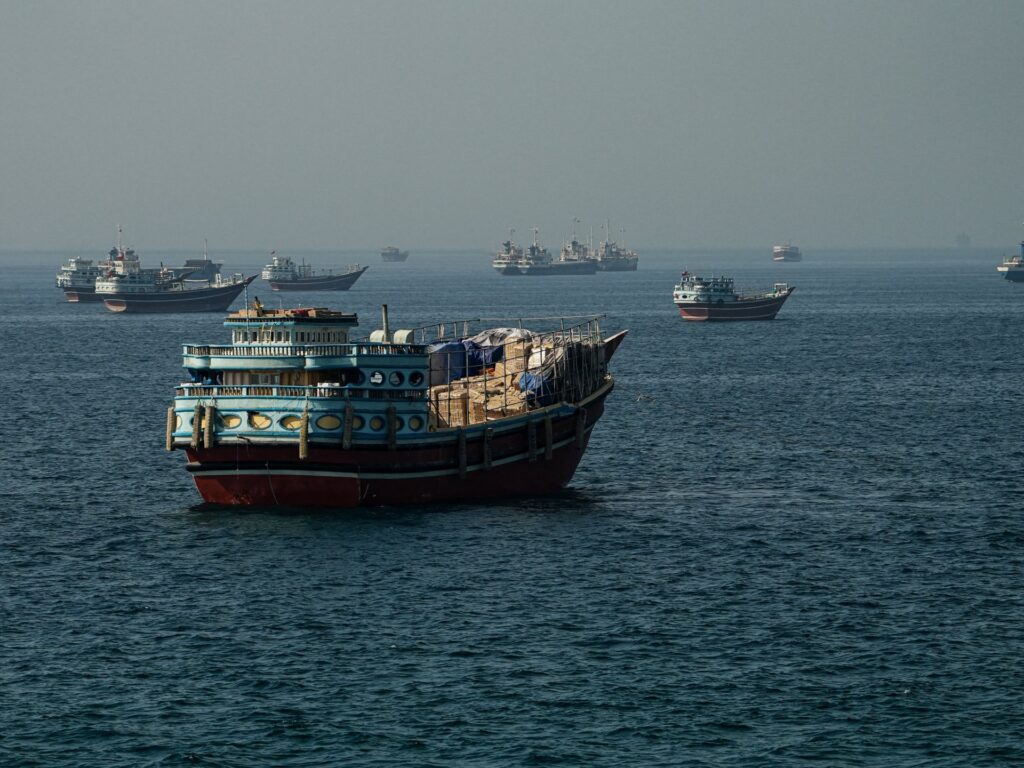
Since the onset of heightened tensions and conflict in the region, a US naval blockade has significantly disrupted Iran’s oil exports, slashing its oil revenues by nearly $6 billion. This strategic move has effectively strangled Iran’s ability to trade oil on the global stage, with exports plummeting to less than one-sixth of the volume Iran maintained before the conflict.
Iran, a major oil producer, traditionally relied heavily on its oil exports as a cornerstone of its economy and government revenue. The US naval blockade, aiming to curb Iran’s economic capabilities amidst geopolitical disputes, has utilized its naval forces to intercept and deter shipments that do not comply with international regulations or that directly support Iran’s contentious activities.
Historically, Iran exported millions of barrels daily, but due to these restrictions, current figures show a drastic decline. This steep drop translates to substantial financial losses which impact Iran’s economic stability and its ability to fund various domestic and foreign programs.
To put it in perspective, the blockade has blocked or significantly reduced shipments—reducing the flow to less than 20 percent of previous volumes. Given that each barrel of oil commands a high price in the international market, especially in global energy markets strained by reduced supplies worldwide, this reduction leads to the staggering shortfall of billions in expected revenue.
The broader geopolitical implications are profound. Iran’s reduced capacity to export oil affects global oil supply chains, contributing to fluctuations in oil prices and compelling other nations to adjust their energy sourcing strategies. Furthermore, the blockade demonstrates the US’s commitment to leveraging its naval power to enforce economic sanctions and pressure Iran to reconsider its contentious policies.
Iran’s government has reportedly tried to find alternative channels and routes to bypass the blockade, including clandestine shipping routes and black-market oil sales. However, the scale and enforcement of the naval blockade greatly hinder these efforts.
The economic strain from the loss of nearly $6 billion in oil revenues is expected to ripple through various sectors of Iran’s economy, affecting public services, government spending, and the livelihoods of many citizens. This economic pressure may influence Iran’s diplomatic engagements and negotiations with the US and allied countries in the near future.
Analysts believe that the continuation of the blockade, combined with international sanctions, keeps Iran cornered economically but also raises tensions in the region, necessitating careful diplomatic efforts to de-escalate potential conflicts.
In summary, the US naval blockade has drastically diminished Iran’s oil exports, bleeding it of nearly $6 billion in revenues by reducing exports to less than a sixth of their pre-war levels. This not only impacts Iran’s economy but also holds significant geopolitical repercussions in the Middle East and the global energy market.