In a tense escalation reflective of longstanding geopolitical friction, U.S. President Donald Trump has issued a stern warning regarding the Strait of Hormuz, declaring any deadlines related to the strategic waterway’s security as ‘final.’ This comes amidst Iran’s recent proposal aimed at ending ongoing conflicts in the region, which Tehran has put forward as a gesture toward peace and stability.
The Strait of Hormuz, a narrow passage linking the Persian Gulf with the Gulf of Oman and the Arabian Sea, is a crucial conduit for global oil markets, with a significant percentage of the world’s petroleum passing through it daily. Consequently, control or disruption of this marine route has enormous implications for global energy supplies and international relations.
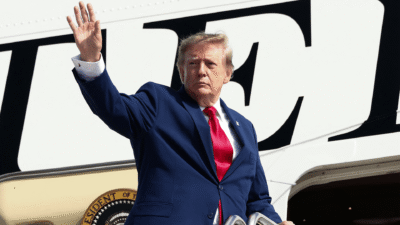
President Trump’s warning signals a hardline stance against what the U.S. perceives as Iran’s failure to maintain open and safe navigation through the strait. The president emphasized that any threat to the infrastructure of the strait or attempts to block the route would provoke a severe response from the United States.
Iran’s proposal, which aims to defuse tensions and promote dialogue among conflicting parties, has been criticized by the U.S. administration as insufficient. Officials argue that without concrete measures to ensure the strait remains open and secure, the proposal falls short of guaranteeing regional peace or economic stability.
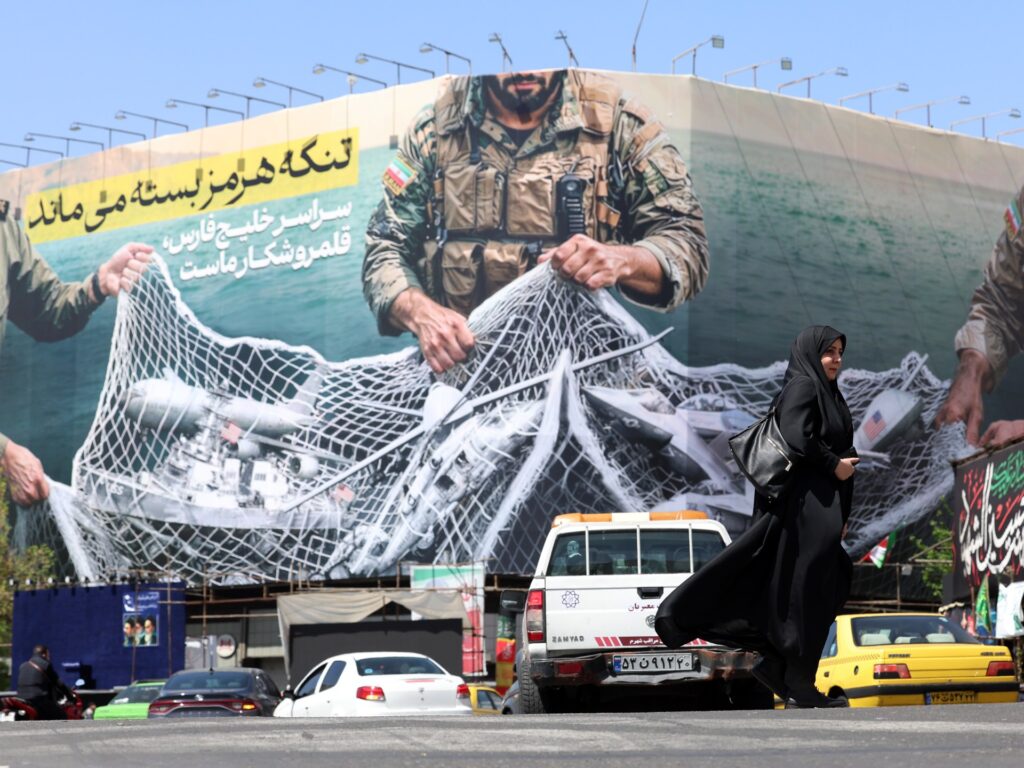
The dynamics of this dispute stretch beyond simple territorial control; they reflect deeper issues of power, influence, and economic interests in the Middle East. The U.S. has maintained a significant naval presence in the region to safeguard maritime routes and support allies, whereas Iran views American involvement as a threat to its sovereignty and regional ambitions.
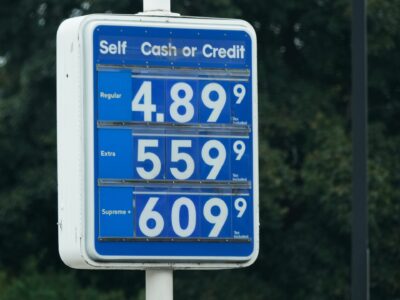
Experts highlight that the situation remains precarious, with potential for rapid escalation if diplomatic channels fail. The international community watches closely, aware that any severe disruption of the Strait of Hormuz could trigger a global energy crisis and exacerbate geopolitical instability.
In response to the escalating rhetoric, calls for renewed negotiations and multilateral engagement have intensified. Analysts suggest that lasting solutions require addressing underlying political grievances, mutual security concerns, and economic interests to move beyond mere tactical maneuvers.
As the deadline approaches, all eyes remain on developments in the Persian Gulf. The outcome will not only shape the future of U.S.-Iran relations but also set a precedent for managing one of the world’s most volatile and vital maritime corridors.
This evolving crisis underscores the complex interplay of diplomacy, military power, and economic strategy that defines modern international relations, particularly in regions rich in resources yet fraught with conflict. With global energy security and regional peace hanging in the balance, the world awaits a resolution that can prevent further escalation and foster long-term stability.