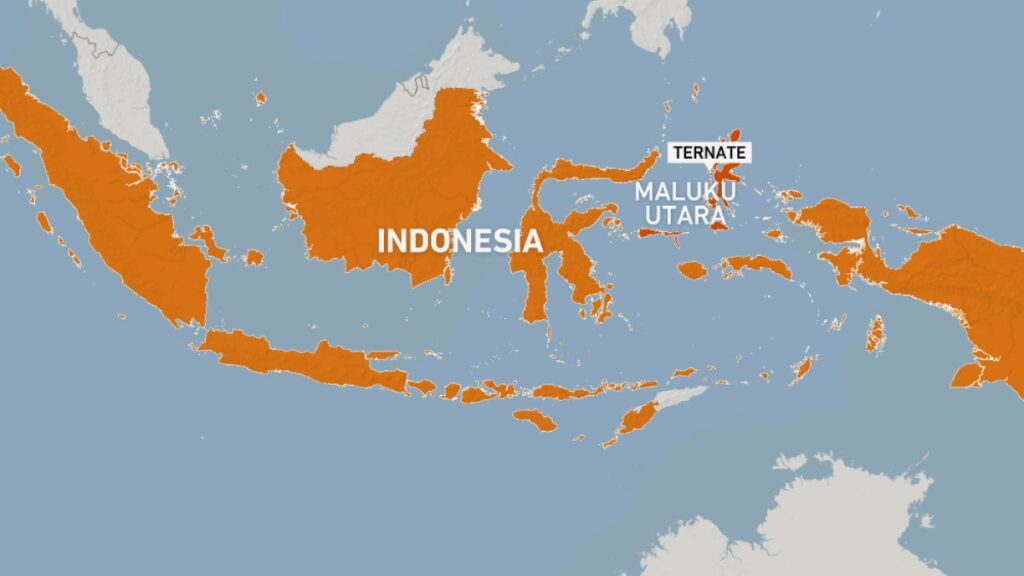
A powerful magnitude 7.4 earthquake struck off the coast of Ternate, located in Indonesia’s North Maluku province. The epicenter of the quake was approximately 120 kilometers (75 miles) from Ternate, raising immediate concerns about potential aftershocks and ramifications for nearby communities.
Indonesia, situated along the Pacific Ring of Fire, is frequently susceptible to seismic activities due to the numerous tectonic plate boundaries that surround the region. This latest quake serves as a reminder of the persistent natural risks faced by the nation.
Following the earthquake, a tsunami warning was initially issued, prompting coastal residents and authorities to prepare for possible waves. However, after close monitoring and analysis by the Indonesian meteorological and geological agencies, the tsunami warning has been officially lifted, much to the relief of the local population.
Emergency services and disaster response teams have been mobilized in North Maluku to assess the situation on the ground. Early reports indicate that while the earthquake was strong, there have been no immediate reports of casualties or significant structural damage. Nonetheless, authorities urge residents to remain vigilant due to the possibility of aftershocks.
Ternate, the provincial capital of North Maluku, is a historic city known for its rich cultural heritage and status as a former sultanate. It has experienced earthquakes in the past but has developed improved infrastructure and preparedness plans over the years to mitigate the impacts of such natural events.
The Indonesian government continues to emphasize the importance of earthquake readiness and effective communication to safeguard lives and property. Efforts include early warning systems, public education campaigns, and regular drills in earthquake-prone regions.
For residents and travelers in the area, officials advise staying informed through official channels and following any guidelines or directives issued by disaster management authorities.
This event underscores the dynamic geological environment of Indonesia and the vital need for continuous monitoring and preparedness to minimize the effects of natural disasters. As the situation evolves, updates will be provided to keep the public informed and safe.