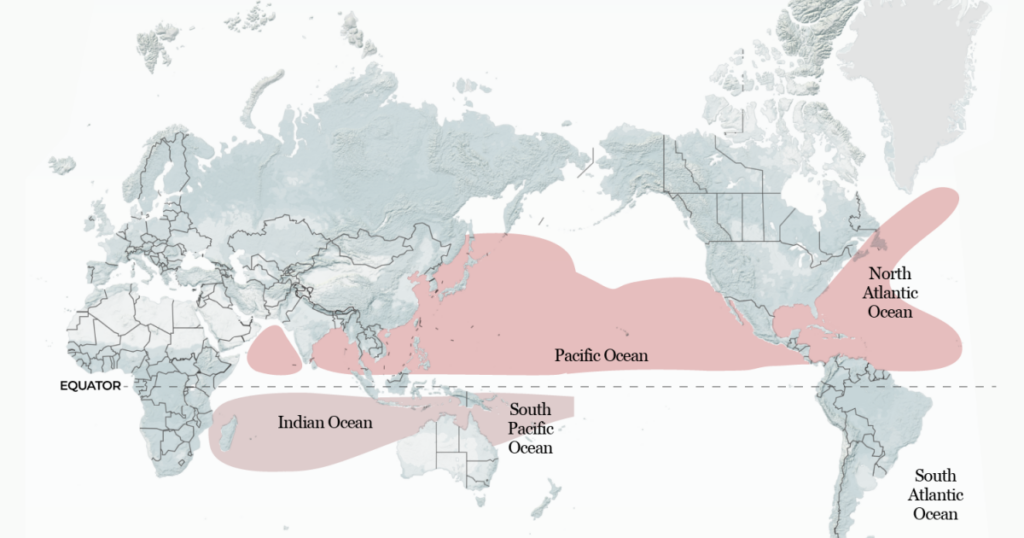
El Nino is a climatic phenomenon characterized by the periodic warming of sea surface temperatures in the central and eastern equatorial Pacific Ocean. Each time it manifests, it has significant impacts on weather patterns around the globe, particularly influencing tropical storm activity. This year, as El Nino conditions develop, experts anticipate notable changes in the behavior and distribution of tropical storms.
One of the hallmark effects of El Nino is its tendency to suppress hurricane formation in the Atlantic Ocean. Warmer waters and altered atmospheric conditions in the Atlantic basin typically result in fewer hurricanes during an El Nino year. This happens because El Nino strengthens the wind shear across the tropical Atlantic, which disrupts the formation and intensification of hurricanes.
Conversely, El Nino tends to enhance tropical storm activity in the Pacific Ocean. The warming of surface waters in the central and eastern Pacific during El Nino creates a more favorable environment for storms to form and intensify. This pattern often leads to increased storm frequency and strength in this region, which can affect countries along the Pacific coastline.
The global reshaping of tropical storm patterns due to El Nino is not just a matter of storm counts but also their intensity and paths. Areas less impacted by storms previously might see an uptick, while regions that usually experience high tropical activity might see a reduction. These shifts have major implications for disaster preparedness and risk management worldwide.
In addition to modulating wind and pressure patterns, El Nino influences rainfall distribution and ocean currents, both critical factors that affect tropical storm development. Enhanced rainfall in certain areas can increase the risk of flooding, while warmer ocean currents fuel storm intensification.
Meteorologists and climate scientists closely monitor El Nino indicators to provide timely forecasts and warnings, helping communities and governments to prepare. Early prediction and understanding of these patterns can aid in minimizing the human and economic toll of tropical storms.
This year’s El Nino episode is expected to follow these typical patterns, meaning the Atlantic could experience a quieter hurricane season than usual, while the Pacific may brace for a busier, more intense period of storm activity. The implications are broad, affecting agriculture, infrastructure, water resources, and insurance sectors globally.
Understanding how El Nino reshapes tropical storms is vital for improving climate resilience. As global climate change continues to influence weather extremes, the interaction between El Nino and tropical storm behavior remains a key area of scientific research and public interest.
In summary, El Nino’s return this year brings with it a reshaping of tropical storm patterns worldwide. Reduced hurricane risks in the Atlantic coupled with increased storm prospects in the Pacific highlight the need for vigilance, adaptation, and proactive disaster management to safeguard lives and property.