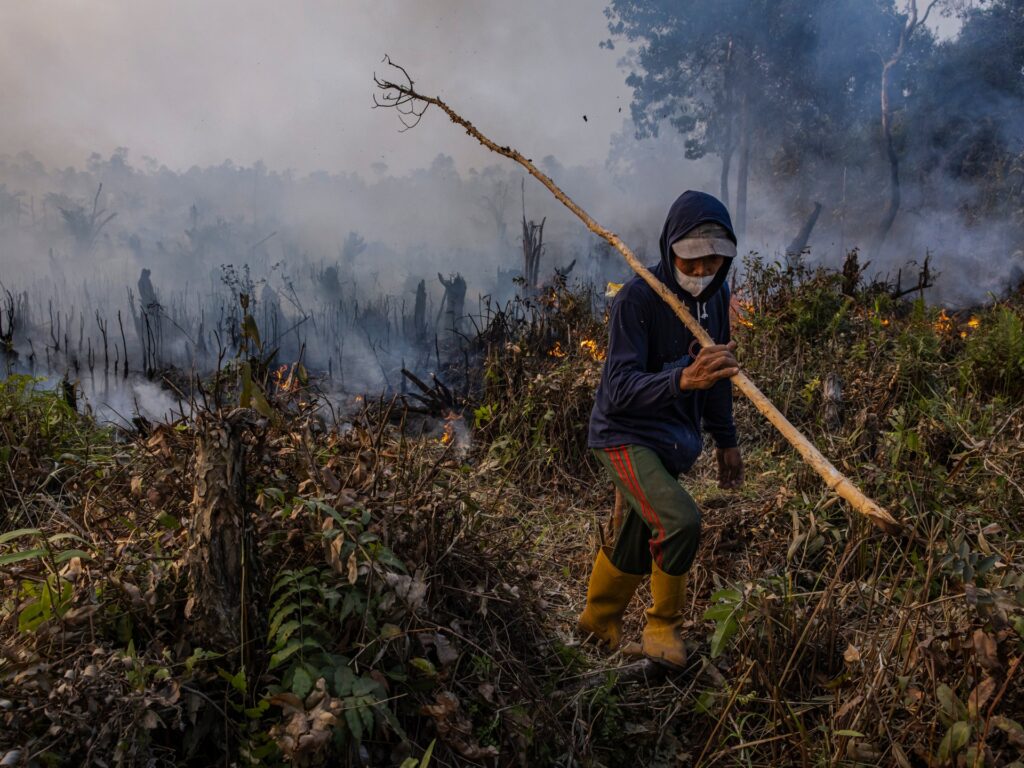
The United Nations has issued a stark warning to the global community, urging countries and populations to prepare for extreme weather conditions anticipated as the El Niño phenomenon develops. The UN Secretary-General has highlighted the potential for significant climate disruptions, emphasizing that the impacts of El Niño this year could be particularly severe and widespread.
El Niño, a natural climate pattern characterized by the warming of surface waters in the central and eastern Pacific Ocean, typically leads to dramatic weather changes worldwide. It is known to alter precipitation patterns and temperature extremes, often resulting in floods, droughts, and heatwaves across various regions.
The UN Secretary-General cautioned that the typical consequences of El Niño could “hit even harder” this year, urging governments and communities to take proactive measures to mitigate risks. “We must brace ourselves for the challenges ahead,” he stated, stressing the urgency of enhancing disaster preparedness and strengthening climate resilience.
Experts predict that the warming waters will disrupt usual weather systems, contributing to increased rainfall in some areas, potentially resulting in severe flooding. Conversely, regions dependent on regular rainfall may face prolonged dry spells leading to drought conditions. Heatwaves, which can have devastating health and economic impacts, are also expected to intensify during this period.
The consequences of such extreme weather events are vast, affecting agriculture, water supplies, infrastructure, and public health. Food security is a particular concern, as droughts and floods can severely reduce crop yields and livestock productivity, threatening the livelihoods of millions worldwide.
The UN has called for international cooperation and adequate funding to support vulnerable nations in building resilience against these looming threats. Early warning systems, community education, and investment in climate-adaptive infrastructure are key components of the recommended response strategy.
This year’s El Niño arrives amid renewed concerns over the accelerating pace of climate change, which may exacerbate weather extremes. Scientists warn that the combination of El Niño and human-driven global warming could lead to unprecedented climate impacts.
In summary, the UN’s warning serves as a critical call to action, highlighting the urgent need for global solidarity and preparedness. As extreme weather events become increasingly frequent and intense, strengthening adaptive capacity is essential to safeguard lives, ecosystems, and economies worldwide.
Communities are encouraged to stay informed through credible channels and adhere to local advisories as conditions evolve. Governments are urged to prioritize climate resilience in policy making, ensuring sustainable development that can withstand the shocks of climate variability.
In the face of an impending El Niño event, proactive measures today can significantly reduce the adverse consequences tomorrow. The world stands at a pivotal moment, with resilience and cooperation as key pillars to navigate the extreme weather challenges that lie ahead.