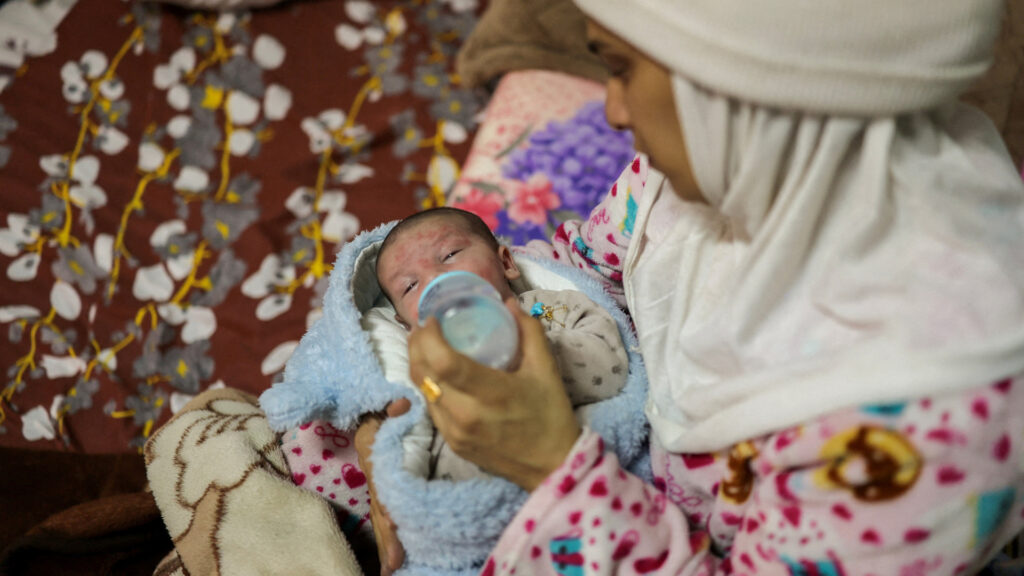
The ongoing conflict between Israel and Lebanon has deeply affected many lives, especially those of expectant mothers caught in the crossfire. Among them is 29-year-old Hawraa Houmani, who had to flee her village when she was nine months pregnant due to relentless Israeli air strikes. Hawraa’s story is emblematic of the struggles many mothers face during times of war.
Amid the chaos of air raids, displacement, and insecurity, these women strive to ensure the safety and well-being of their newborns. Forced to leave their homes, many pregnant women seek refuge in safer areas, often staying in crowded shelters or with relatives far from the front lines. The journey itself is perilous, yet driven by the urgent need to protect their babies.
Access to medical care during such times is limited. Hospitals may be overwhelmed or damaged, and maternity services strained by the influx of displaced persons. Despite these obstacles, midwives and health workers continue to provide essential care, often under dangerous conditions. Mothers rely heavily on these support systems and the solidarity of their communities.
Nutrition and hygiene are critical concerns for newborns in this environment. Food shortages and lack of clean water can jeopardize the health of both mother and child. International aid organizations have been working to provide emergency supplies, but access and distribution remain challenging due to the conflict.
The psychological impact on mothers is profound. The trauma of war, displacement, and uncertainty adds to the stress of childbirth and caring for an infant. Mental health support is a necessary yet often overlooked aspect of humanitarian assistance.
Mothers like Hawraa show remarkable resilience, drawing on inner strength and community bonds to care for their children. Their courage highlights the human cost of conflict and underscores the importance of peace and stability.
In summary, raising newborn babies during Israel’s offensive in Lebanon involves navigating displacement, limited healthcare, nutritional challenges, and emotional stress. The stories of these mothers remind us of the urgent need for humanitarian aid and conflict resolution to ensure the safety and health of future generations in the region.