In the Gaza Strip, a palpable sense of pervasive fear continues to grip the population amid ongoing Israeli military operations, despite declarations of a ceasefire. Recent reports from the Wafa news agency highlight a deadly drone strike near Khan Younis, which claimed the life of a young woman and left 15 others injured. This incident underscores the fragile and volatile nature of the ceasefire that many hoped would bring respite to the war-torn region.
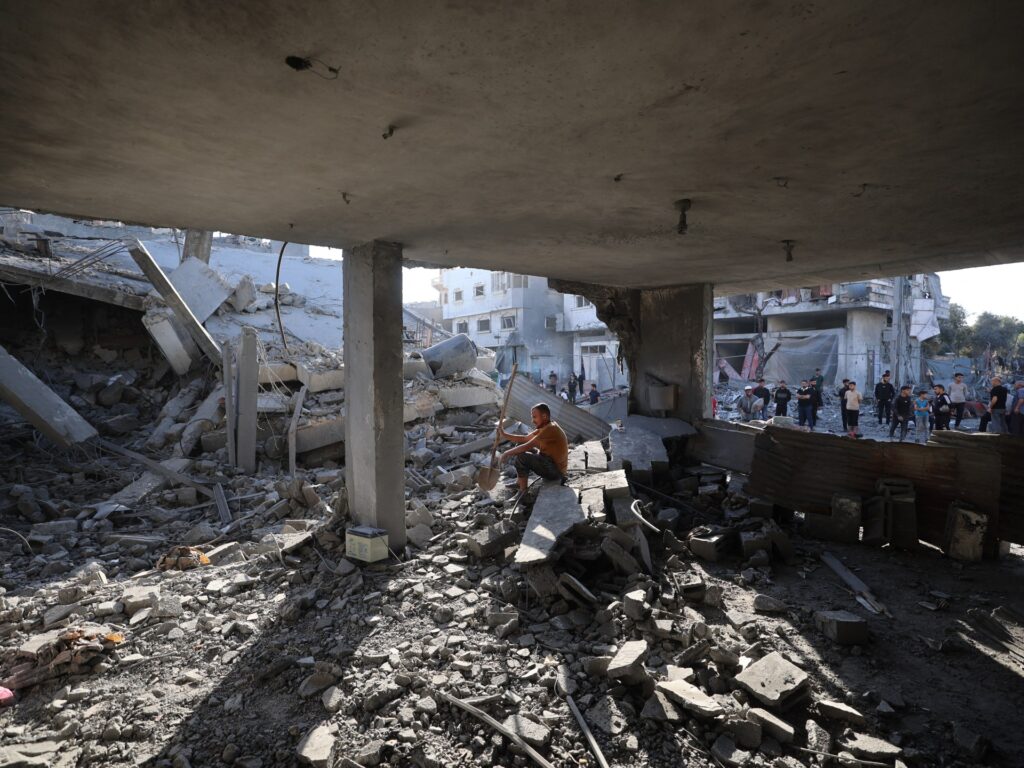
Gaza, a densely populated area, has long been a hotspot of conflict between Israeli forces and various Palestinian groups. The region has endured cycles of violence that have devastated its infrastructure, economy, and social fabric. Ceasefires, when they have been declared, often fail to hold, as evidenced by the continuation of attacks such as the one reported.
The latest drone attack has intensified fears among Gaza’s civilian population, who live under constant threat of military action. The killing of a young woman, coupled with injuries to numerous others, has amplified the sense of insecurity among residents who already face daily hardships due to the ongoing blockade and limited access to essential services.
Humanitarian organizations have expressed grave concern over the recurrence of violence despite ceasefire announcements. They emphasize the urgent need for all parties to respect the terms of such agreements to prevent further civilian casualties and suffering.
The practice of using drone strikes, while technologically advanced, has raised ethical and legal questions internationally, especially when such attacks result in civilian casualties. The situation in Gaza serves as a stark reminder of the human cost of modern warfare and the urgent necessity for durable peace solutions.
Local authorities and health services in Gaza often find themselves overwhelmed in the aftermath of such incidents. Medical facilities are strained, supplies are limited, and the ability to respond to mass casualty events is severely constrained. The injured from the recent drone attack near Khan Younis are a testament to these ongoing challenges faced by Gaza’s healthcare system.
Global diplomatic efforts to stabilize the region have been ongoing, yet achieving lasting peace remains elusive. Analysts highlight the complexity of the Israeli-Palestinian conflict, where historical grievances, political dynamics, and security concerns intersect, making ceasefires fragile and often temporary.
Meanwhile, for the people of Gaza, life continues under the shadow of violence and uncertainty. The drone attack is not just a singular event but part of a larger pattern of hostility that exacerbates fear and disrupts daily life. Families struggle to secure basic necessities, children grow up amid the sounds of sirens and explosions, and the prospect of normalcy seems distant.
As international calls for restraint grow louder, the need to protect civilians in conflict zones is more urgent than ever. The situation in Gaza exemplifies the devastating impact of unresolved conflicts and the profound human suffering they entail.
In summary, the killing of a young woman and injury of 15 others in a drone strike near Khan Younis serve as a grim indicator of the continuing instability in Gaza. It highlights the failure of ceasefire agreements to bring relief, the ongoing risks faced by civilians, and the critical importance of renewed efforts towards peace and humanitarian support in the region.