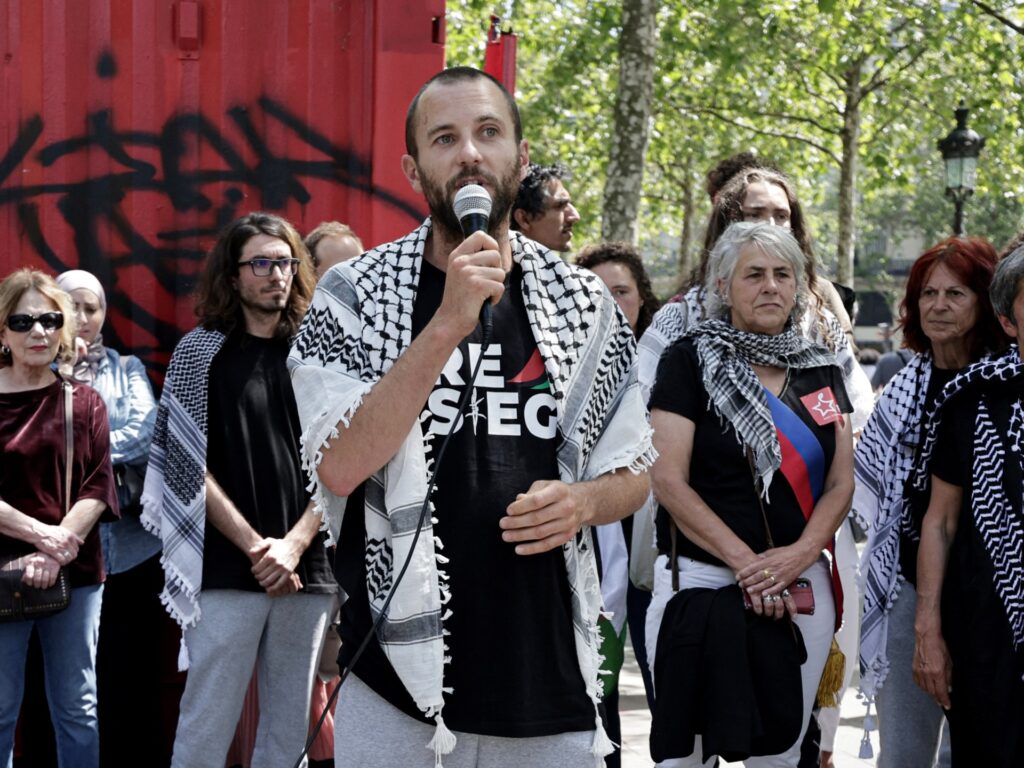
France has officially launched an investigation into potential war crimes concerning the treatment of Gaza-bound activists by Israeli forces. This investigation follows allegations made by French activists who participated in a foreign aid flotilla destined for Gaza and accuse Israeli authorities of abuse and torture during their detention.
The flotilla was part of an international effort to deliver humanitarian aid to the Gaza Strip, a region long affected by conflict and blockade. The activists involved aimed to bring attention to the humanitarian crisis and raise awareness about the situation faced by Gaza residents.
According to testimonies provided by the French participants, Israeli forces intercepted the flotilla and subjected them to harsh treatment, involving physical abuse and psychological torture techniques while in custody. These claims have struck a chord internationally, prompting France’s judiciary to take the allegations seriously.
The probe will be conducted under the framework of international law related to war crimes and human rights violations. French prosecutors are gathering evidence, interviewing victims, and liaising with international human rights organizations to build a comprehensive case.
This investigation marks a significant step, as it indicates France’s willingness to hold foreign military actions accountable under its universal jurisdiction laws. France has a history of pursuing legal actions against alleged war crimes irrespective of where they occur, reinforcing the principle that serious violations of human rights deserve scrutiny.
Israeli authorities have dismissed the allegations calling them unfounded and politically motivated. They argue that their actions were legitimate security measures aimed at ensuring the safety of their borders and citizens. Israel maintains that activists on the flotilla were attempting to breach its naval blockade, which it asserts is necessary for national security.
The diplomatic fallout from the probe is yet to unfold, but it is likely to impact France-Israel relations. The situation gains complexity as international organizations and other countries monitor the developments closely.
Human rights advocates have welcomed the probe, emphasizing the importance of accountability and justice for victims of alleged abuse. They argue that investigations such as this one help deter future violations and uphold international humanitarian law.
Meanwhile, Gaza continues to face critical challenges stemming from ongoing conflict, restrictions, and economic hardships. Aid efforts like the flotilla are crucial for many residents, who depend on international support to meet basic needs.
The French probe could set a precedent for how other nations address claims related to military conduct and human rights abroad. It also highlights the tension between security policies and humanitarian considerations in conflict zones.
As the investigation proceeds, more details are expected to emerge. Observers hope that it will lead to transparency and justice, paving the way for improved respect for human rights in conflict areas.
The global community watches closely as France exercises its judicial powers to investigate and potentially prosecute actions that, if proven, would represent serious violations of international law. The outcome of this probe could influence future international responses to similar incidents worldwide.