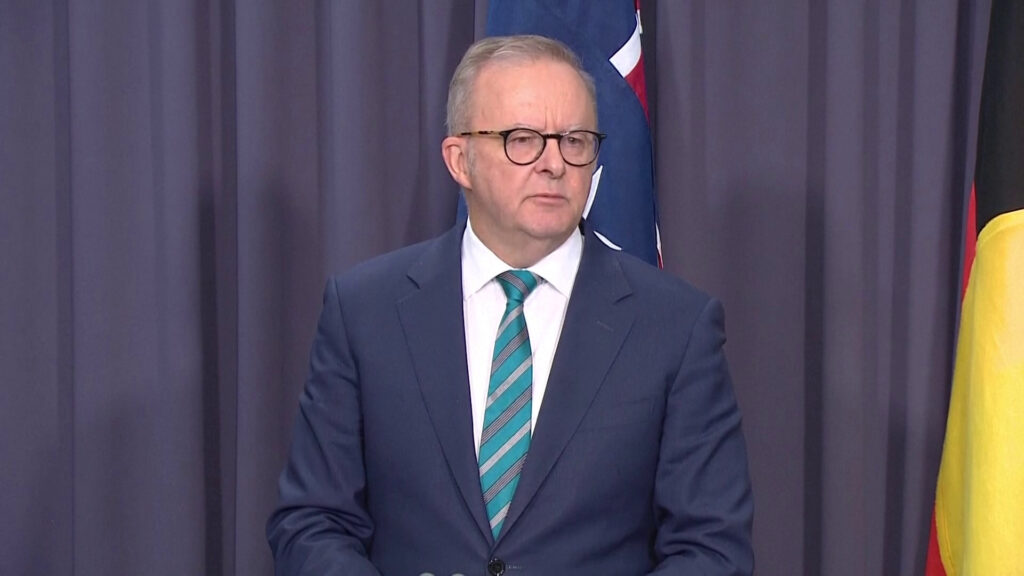
In recent statements, Australian Prime Minister Anthony Albanese emphasized Australia’s proactive and constructive role in the ongoing conflict involving Iran. Albanese underscored that the Australian government has been actively contributing to international efforts aimed at addressing the situation surrounding Iran, portraying the nation’s involvement as both meaningful and positive.
The Prime Minister’s remarks come amid heightened tensions and complex geopolitical dynamics in the Middle East, where Iran has been a focal point of international diplomatic and military attention. Albanese’s comments suggest Australia’s commitment to global security and its alignment with allies in managing the challenges posed by Iran’s actions.
Australia’s involvement reportedly encompasses diplomatic engagement, support for allied operations, and participation in international coalitions dedicated to ensuring regional stability. By describing Australia’s contribution as “constructive,” Albanese indicates efforts to promote dialogue, reduce conflict, and uphold international norms.
This stance reflects a broader Australian foreign policy approach aimed at balancing national interests with global responsibilities. The Prime Minister pointed out that through cooperation and shared strategic goals, Australia seeks to reinforce peace and security not only in the Middle East but across the international arena.
Observers note that Australia’s role, while supportive, is also symbolic of its increasing influence in global security matters. The government has reiterated its commitment to working with partners to address threats and challenges emanating from Iran, including concerns related to nuclear proliferation and regional proxy conflicts.
Albanese’s comments have been met with varied reactions domestically and internationally. Supporters commend the government’s clear positioning and contribution to collective security, while critics call for more transparency and debate on the extent and nature of Australia’s involvement.
Analysts suggest that Australia’s contribution, though characterized as constructive, likely involves a combination of political support, intelligence sharing, logistical assistance, and participation in diplomatic initiatives designed to mitigate escalations.
This development is part of a larger narrative on how middle powers like Australia are engaging more assertively in global conflicts, leveraging diplomatic channels and alliances to influence outcomes and uphold the international order.
In summary, Prime Minister Albanese’s assertion of a constructive Australian role in the war on Iran highlights a strategic interplay of commitment, collaboration, and cautious intervention aimed at fostering peace and stability amidst a challenging geopolitical environment.