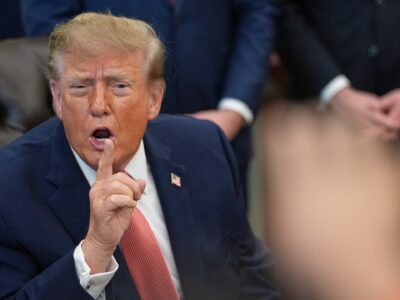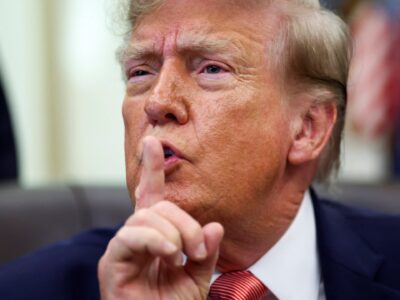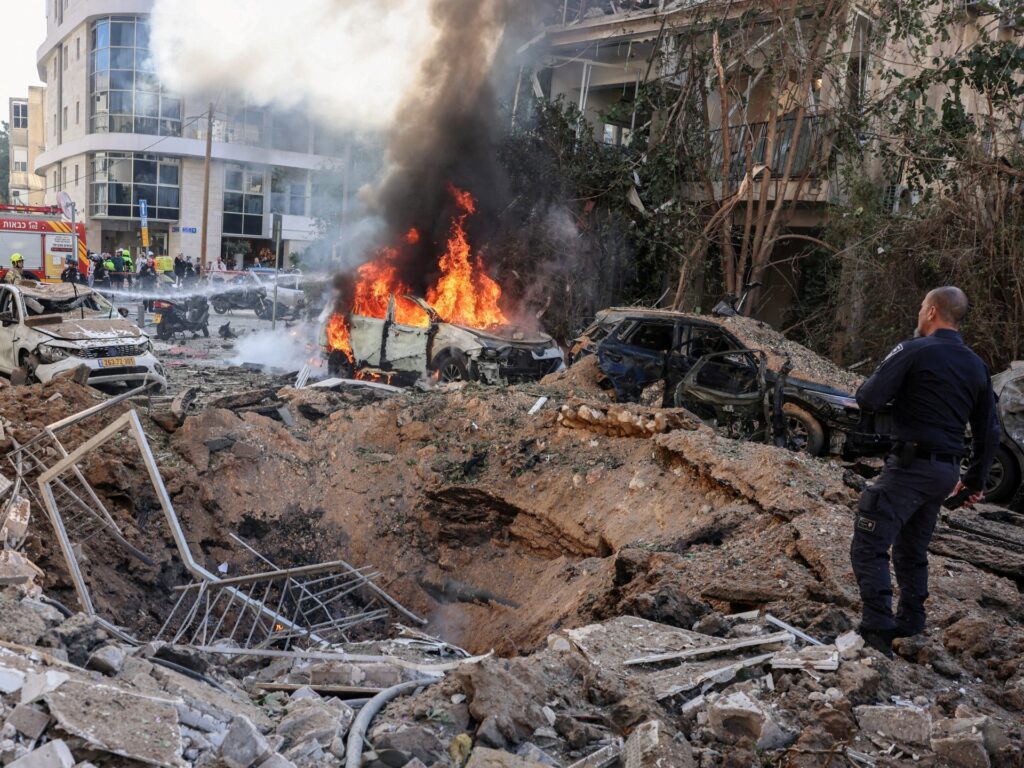
In a recent development amid escalating tensions in the Middle East, former U.S. President Donald Trump has announced a delay of 10 days on planned attacks targeting Iran’s energy sector. This strategic pause comes as Iranian forces have launched a series of missile and drone strikes against key locations in Kuwait, the United Arab Emirates (UAE), Saudi Arabia, and Jordan, intensifying the regional conflict.
The delay on the attacks, which was initially set to hit critical infrastructure within Iran’s energy industry, signals a complex diplomatic maneuver. Trump stated that Iran now has a “chance to make a deal,” suggesting that there remain opportunities for negotiation and possibly de-escalation despite recent hostilities.
The missile and drone strikes conducted by Iran appear to be a show of force aimed at multiple Gulf Cooperation Council (GCC) countries, reflecting the broader geopolitical stakes. These attacks not only threaten regional stability but also carry significant implications for global energy markets, given the critical role of the Gulf countries in oil production and export.
Iran’s aggressive posture follows years of strained relations with the United States and its regional allies, rooted in disagreements over Iran’s nuclear program, regional influence, and military activities. The ongoing conflict has led to heightened fears of a broader war breaking out across the Middle East, potentially drawing in major world powers.
The decision to delay military actions demonstrates a cautious approach by the Trump administration, favoring diplomacy over immediate retaliation. Analysts suggest that this could be an effort to open channels for dialogue, reduce the risk of a full-scale war, and provide all parties time to negotiate terms that might prevent further escalation.
Meanwhile, countries targeted by Iranian strikes have condemned the attacks and bolstered their defensive measures. Kuwait, UAE, Saudi Arabia, and Jordan have called for international support and urged restraint to avoid exacerbating the situation. The Gulf Cooperation Council is closely monitoring the situation and considering coordinated responses.
Global markets reacted nervously to these developments, with oil prices experiencing fluctuations due to fears of supply disruptions. Energy security remains a key concern as tensions continue to simmer, and any sustained conflict could further impact international energy supplies.
International bodies, including the United Nations, have called for calm and a return to dialogue. Diplomatic efforts are underway to mediate between the parties and seek a peaceful resolution to the crisis.
This unfolding situation underscores the fragile nature of security in the Middle East and highlights the ongoing challenges of balancing power, diplomacy, and military strategy in an area of significant global interest.
As the world watches closely, the next ten days will be critical in determining whether diplomacy can prevail or if the region will see further escalation in conflict.