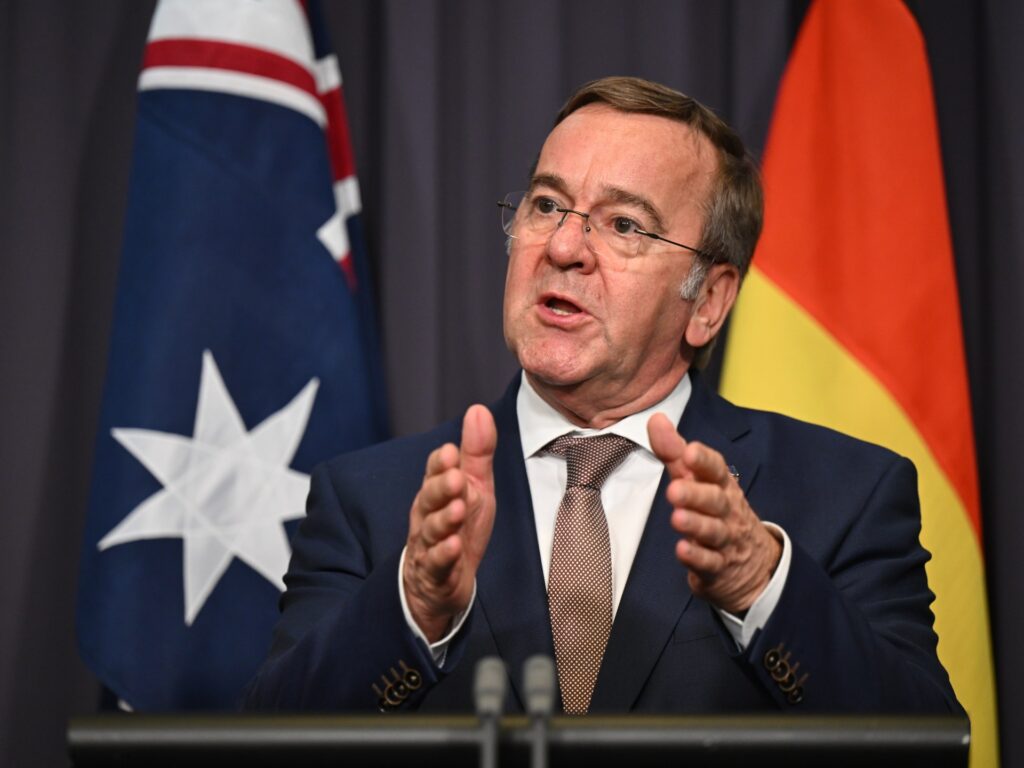
As tensions escalate in the Middle East and the war with Iran approaches its one-month anniversary, economic warnings from Europe and global financial organizations have intensified, signaling a looming economic catastrophe. Germany, a leading economic power in Europe, has issued stark warnings about the potential for a global economic crisis if the conflict continues and intensifies.
The Organization for Economic Cooperation and Development (OECD) has lowered its growth forecast for the United Kingdom, reflecting broader concerns about the economic fallout from geopolitical instability and its impact on global markets. The UK’s revised forecast highlights vulnerabilities amid a fragile recovery post-pandemic, further compounded by escalating tensions in the Middle East.
European nations and international economic bodies have expressed fears that prolonged conflict could disrupt critical supply chains, increase energy prices, and trigger inflationary pressures across the globe. Germany’s warning underscores the interconnectedness of modern economies and how political conflicts far from Europe’s borders can ripple through to cause widespread economic disruption.
In particular, the energy sector faces significant risks, given Europe’s dependence on energy imports and the possibility of supply shocks from the Middle East. Rising energy costs could stifle industrial output and increase costs for consumers, leading to slower economic growth or even recession in some countries.
The OECD’s downward revision of the UK growth forecast serves as a clear indicator of mounting economic challenges in Europe. Factors contributing to the forecast cut include the rising cost of living, disruptions to trade routes, and investor uncertainty. These economic challenges could undermine recovery efforts and heighten social and political pressures within affected countries.
European leaders have called for diplomatic solutions to de-escalate the conflict, emphasizing the economic imperative to prevent further deterioration. At the same time, governments are preparing contingency plans to mitigate the economic impacts, including resource diversification and strengthening economic resilience.
The warnings from Germany and the OECD arrive at a critical juncture, highlighting the fragile state of the global economy against a backdrop of geopolitical upheaval. As the war in Iran nears its first-month mark, the risk of a worsening economic crisis looms large, demanding urgent international cooperation to stabilize both the political and economic environments.
In the months ahead, stakeholders across governments, financial institutions, and the private sector will be closely monitoring developments in Iran and their broader economic implications. The path forward will require careful balancing of geopolitical strategy and economic stabilization efforts to avoid the catastrophic outcomes currently warned by Germany and the OECD.