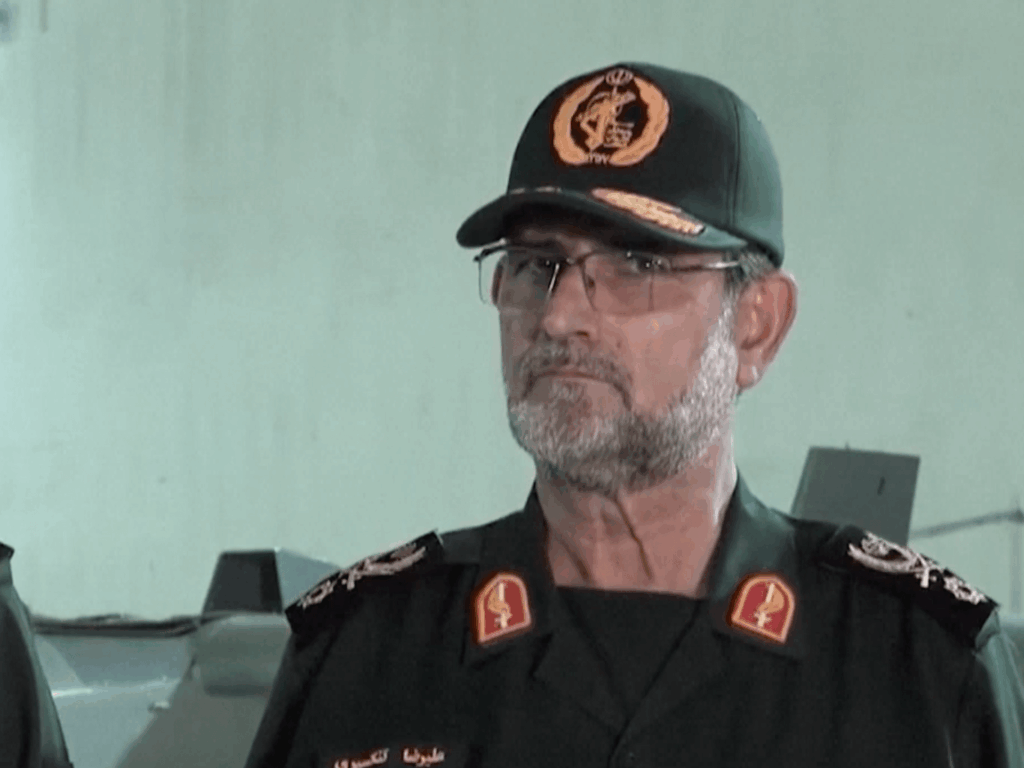
In a significant development affecting Middle Eastern geopolitics, the Israeli Defence Minister has claimed responsibility for the killing of Alireza Tangsiri, a high-ranking Iranian naval commander. Tangsiri was reportedly targeted due to his pivotal role in controlling and blocking the Strait of Hormuz, a critical chokepoint for global oil shipments and strategic naval movements.
Alireza Tangsiri served as a key figure in the Iranian naval forces, prominently influencing maritime operations in the Persian Gulf region. His leadership in maintaining Iran’s strategic grip on the Strait of Hormuz has long been a point of contention, especially with nations reliant on the safe passage of oil and goods through this narrow waterway.
The Israeli Defence Ministry’s announcement highlighted the operation as a strategic action aimed at curbing Iran’s ability to dominate the Strait, which is vital for global energy supplies and regional security dynamics. Blocking the Strait of Hormuz has been a tactic used by Iran in past confrontations, leveraging their control to exert political and military pressure.
The incident adds a new layer of complexity to the already tense relations between Israel and Iran, both of which have been embroiled in proxy conflicts and hostile rhetoric for years. Israel views Iran’s military activities in the region, including its naval maneuvers, as direct threats to its national security.
Internationally, the Strait of Hormuz is a critical maritime corridor through which about 20% of the world’s petroleum passes. Disruptions here can lead to significant fluctuations in global oil prices and impact the broader geopolitical landscape.
While the exact circumstances of the attack remain undisclosed, the Israeli Defence Minister’s public declaration underscores a willingness to engage in covert operations to neutralize perceived threats. Israel’s proactive stance reflects its broader strategy of countering Iranian influence in the Middle East by targeting key military personnel and infrastructure.
Responses from Iran have been vehement, with Iranian officials condemning the killing as an act of aggression and vowing retaliation. The development is expected to escalate tensions further, potentially sparking waves of diplomatic and military fallout.
Experts suggest this event could heighten the risk of direct military confrontations or proxy engagements between the two nations. The strategic importance of the Strait of Hormuz ensures that any alteration in the status quo there resonates far beyond the immediate region.
The international community is closely monitoring the situation, with major powers calling for restraint to prevent destabilization. Efforts to mediate and prevent further violence will likely intensify as the repercussions of this targeted killing unfold.
This event underscores the fragile security environment in the Persian Gulf and the broader Middle East. The assassination of a key Iranian naval commander represents not just a tactical victory for Israel but a potential trigger for wider conflict in an already volatile region.
As the situation develops, stakeholders worldwide remain alert to the implications for energy security, regional alliances, and the broader international order. The killing of Alireza Tangsiri marks a critical point in the ongoing power struggle in the Middle East, reflecting the complex interplay of military, political, and strategic interests.”