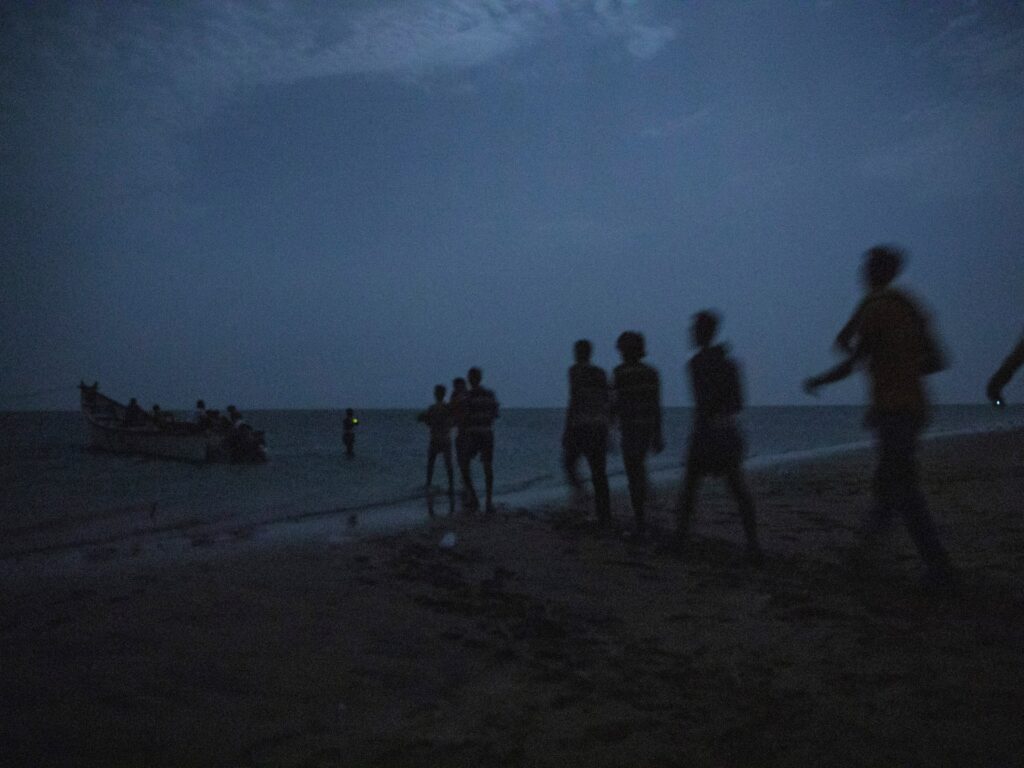
A tragic maritime disaster has unfolded off the coast of Djibouti, where a boat carrying migrants sank, resulting in the confirmed deaths of at least nine people and dozens reported missing. The rescue operation, conducted by local authorities and international teams, has successfully recovered 266 survivors so far. The incident highlights the severe and ongoing dangers faced by migrants attempting perilous sea crossings in the region.
According to rescue officials, the boat capsized under hazardous conditions, likely compounded by overcrowding and unstable weather. Efforts to locate missing persons are continuing, with hope tempered by the risks inherent in such maritime emergencies.
The United Nations has issued a stark warning, stating that this tragedy could mark the beginning of the deadliest season yet on this migration route. The UN emphasizes the urgent need for coordinated international action to improve safety measures, provide humanitarian assistance, and address the root causes driving people to undertake these dangerous journeys.
The route off Djibouti is known for its challenges, as it is a key passage for migrants fleeing conflict, poverty, and instability in parts of the Horn of Africa. Many attempt to reach safer countries via this route, despite the high risks posed by the sea voyage.
Rescue teams are working around the clock to assist survivors and to gather information to prevent future tragedies. Aid organizations are mobilizing resources to support victims and survivors, highlighting the pressing humanitarian implications of continued irregular migration.
This latest disaster is a somber reminder of the human cost behind migration statistics and underscores the urgent need for comprehensive solutions. International stakeholders are being called upon to strengthen cooperation and to invest in safer, legal pathways for migration.
Authorities are also focusing on enhancing search and rescue capacities in the region and on providing better information to migrants about the dangers of irregular maritime travel.
The hope remains that through collective effort and increased awareness, such incidents can be reduced and lives saved in the future. Meanwhile, the search for missing individuals continues, as communities and families grapple with the devastating impact of the lost lives.
This incident serves as a catalyst for renewed global attention to the ongoing migration crisis in the Horn of Africa and the critical necessity to safeguard vulnerable populations attempting these journeys.