In the aftermath of the US-Israeli conflict, Iran’s negotiating position appears to have strengthened, reflecting a shift in regional dynamics and strategic calculations. Tehran, emboldened by recent events, believes it can leverage its enhanced stature to extract significant concessions from the United States and Gulf nations. Analysts, however, warn that while Iran’s confidence has grown, the complexities of regional alliances and divergent interests among Gulf countries may limit the scope of achievable agreements.
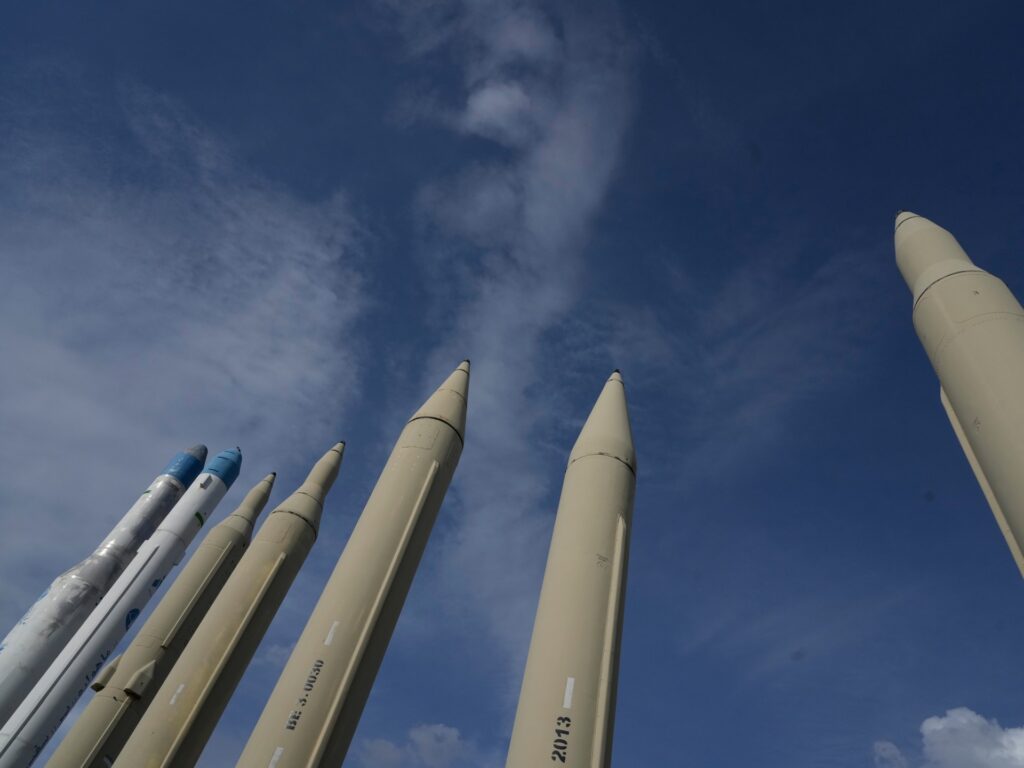
Historically, Iran’s diplomatic strength in Middle Eastern geopolitics has been influenced heavily by its nuclear program, regional proxy networks, and its relationships with key players like Russia and China. The recent conflict provided Tehran with an opportunity to showcase resilience and strategic efficacy, boosting its bargaining power on the international stage.
Iran’s leadership argues that the heightened tensions and outcomes of the conflict have shifted the calculus for negotiations, presenting a window to demand concessions previously deemed unattainable. These demands are likely to focus on easing sanctions, recognizing Iran’s nuclear rights, and diminishing US and Gulf influence in the region.
Conversely, the United States and its Gulf allies face internal challenges that complicate a united front in negotiations. Gulf countries, traditionally reliant on US security guarantees, remain divided over how to engage with Iran, especially in the context of their own security and economic interests. This discord weakens their collective bargaining posture against Iran.
Analysts caution that while Tehran’s negotiating posture is stronger, the increased expectations could lead to stalled talks if the US and Gulf powers cannot harmonize their approach. The potential for stalled or failed negotiations raises the stakes for renewed tensions or conflicts in the region.
In conclusion, Iran perceives its negotiating position as markedly improved since the US-Israeli war began, aiming to capitalize on this momentum for favorable concessions. However, the effectiveness of this strategy is contingent upon the US and Gulf nations’ ability to present a cohesive and resilient negotiation stance, a challenge that remains unresolved.