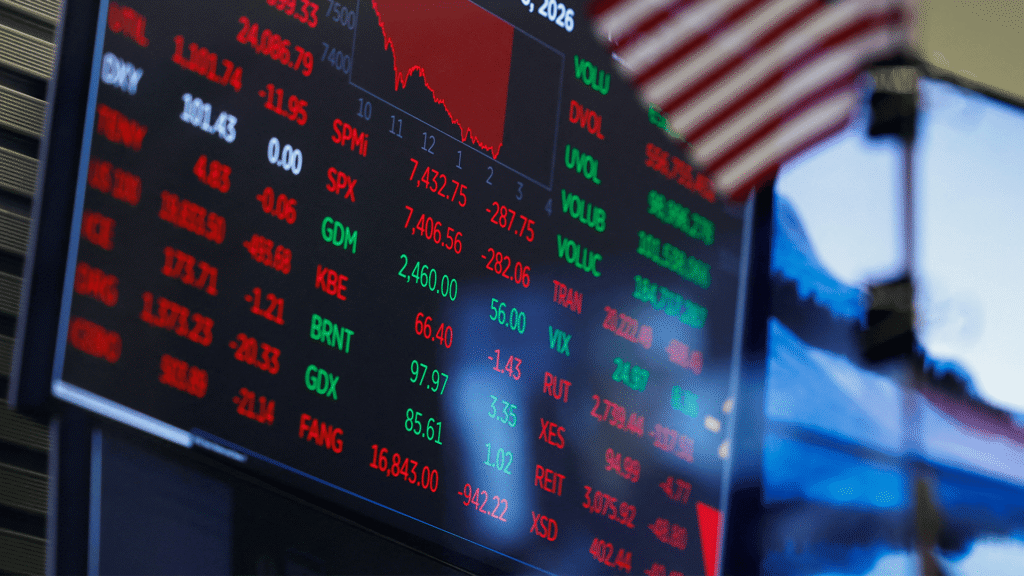
Asian markets experienced a significant downturn on Friday, mirroring widespread sell-offs in Western stock markets, fueled by concerns arising from the recent US midterm elections. A primary factor behind this market anxiety is the anticipated implementation of restrictions on artificial intelligence (AI) technologies in the United States, which investors fear could dampen growth prospects for key tech firms.
The US midterm elections have introduced a wave of policy uncertainty, particularly regarding the regulation of rapidly evolving technologies like AI. Lawmakers are under increasing pressure to impose stricter controls to address ethical, privacy, and security issues associated with AI deployment.
Global tech stocks, which had recently been buoying investor optimism due to AI-driven innovation and earnings growth, saw sharp declines as fears grew that tighter governmental oversight could hinder the sector’s expansion. The potential regulatory clampdown includes debates over the safety standards for AI applications, data protection mandates, and limits on AI in sensitive use cases.
Asian markets, closely linked to global tech supply chains and heavily invested in semiconductor and software companies, felt the impact acutely. Major indices in markets such as Japan, South Korea, Hong Kong, and China opened lower and continued to trend downward throughout the trading session.
Investors worry that US AI regulations might disrupt global technology partnerships and supply chains, adding to concerns over inflation and geopolitical tensions. This confluence of factors has contributed to a cautious market mood, eroding earlier gains posted in the technology sector.
Analysts suggest that while AI remains a promising long-term growth driver, the near-term outlook is clouded by regulatory uncertainties. Companies are expected to face increased compliance costs and potential restrictions in product development cycles, which may affect profitability and market valuations.
Market watchers also point to the broader political climate as a pivotal factor. The midterms have shifted the balance of power in Congress, potentially leading to more aggressive oversight of technology firms and prioritizing consumer protection and national security.
In response to the sell-off, some tech companies have issued statements reaffirming their commitment to responsible AI innovation and engagement with policymakers to shape sensible regulations.
Despite the immediate setback, experts believe that the tech industry will adapt over time, finding ways to comply with new rules while continuing to innovate. However, investors remain cautious, favoring a wait-and-see approach until regulatory frameworks become clearer.
The ripple effects of the US policy direction underscore the interconnectedness of global financial markets and highlight how domestic political events can have far-reaching implications.
As the situation develops, market participants will be closely monitoring announcements from US regulatory agencies and legislative bodies for concrete guidance on AI governance. The evolving landscape is likely to shape investment strategies and corporate behavior in the foreseeable future.
In summary, the recent plunge in global tech stocks is largely attributable to fears of impending AI regulatory measures in the US following the midterm elections, leading to widespread market volatility and uncertainty about the sector’s growth trajectory.