Lebanese authorities have charged 13 individuals in connection with a recent discovery of materials linked to Hezbollah explosives. The charges come after security forces confiscated a significant cache of explosives thought to be associated with the militant group Hezbollah. The Lebanese government asserts that the seizure and subsequent legal action are part of broader efforts to curb illicit arms proliferation within its borders.
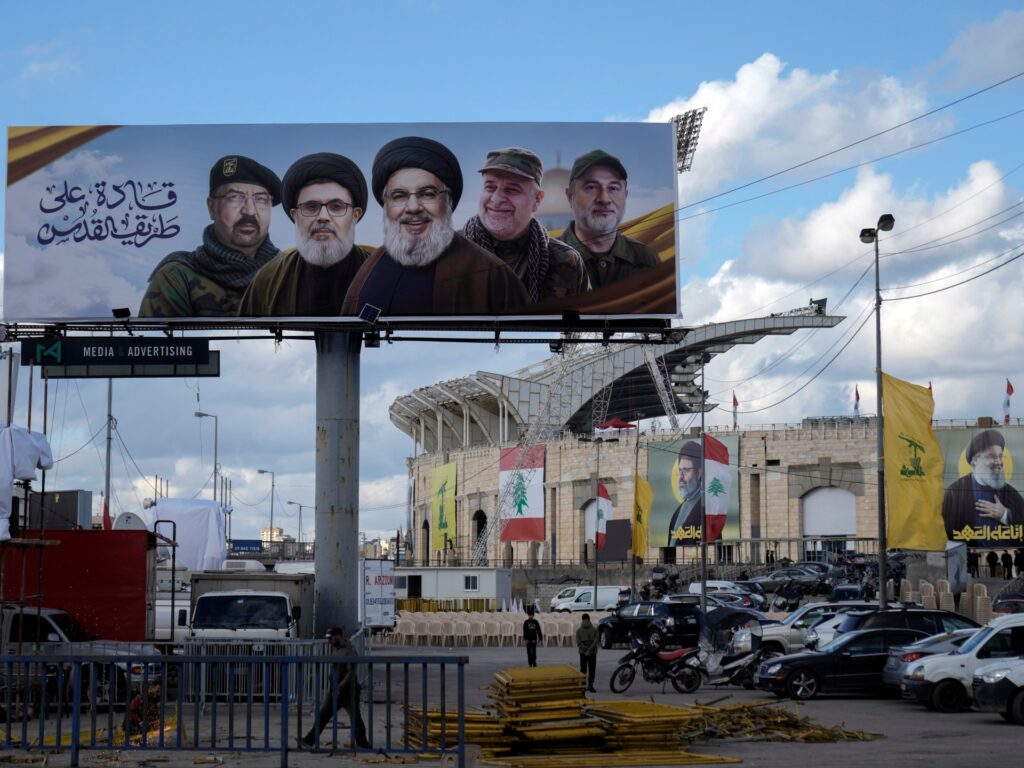
Hezbollah, a Shia Islamist political party and militant group based in Lebanon, has been involved in numerous conflicts in the region, particularly with Israel. The group, however, has condemned the charges against the individuals, labeling them as ‘unjust.’ Hezbollah representatives stated that the weapons recovered were intended for use in operations against Israeli forces stationed in southern Lebanon, framing their actions as defensive measures against ongoing hostilities.
The discovery of these explosives highlights the fragile security situation in Lebanon, a country that has long grappled with internal political strife and militia influence. Southern Lebanon, in particular, has been a hotspot for military activities due to its proximity to Israeli-controlled areas.
Lebanese officials have emphasized their commitment to maintaining national sovereignty and preventing the unauthorized possession of arms capable of destabilizing the region. Authorities believe that intercepting the explosives will help prevent potential escalation and violence.
The international community has also expressed concern over the proliferation of weapons in Lebanon and the broader Middle East, urging all parties to seek peaceful resolutions to ongoing conflicts. Hezbollah’s role remains controversial, with some viewing it as a legitimate resistance movement, while others condemn it as a terrorist organization.
This recent event adds to the complex dynamics in Lebanon, where political factions and foreign interests frequently intersect. The charges against the 13 individuals are seen by some analysts as a test of Lebanon’s ability to enforce its laws impartially amidst pressure from various internal and external forces.
The Lebanese judiciary is expected to proceed with the legal process, which could have repercussions for Hezbollah’s standing within Lebanon and its relations with neighboring countries. Meanwhile, the group’s narrative focuses on the legitimacy of their armament in defending Lebanese territory.
As Lebanon navigates these challenges, the balance between security, sovereignty, and political expression remains delicate. The government’s stance and actions in this case will likely influence the country’s internal stability and international relations going forward.