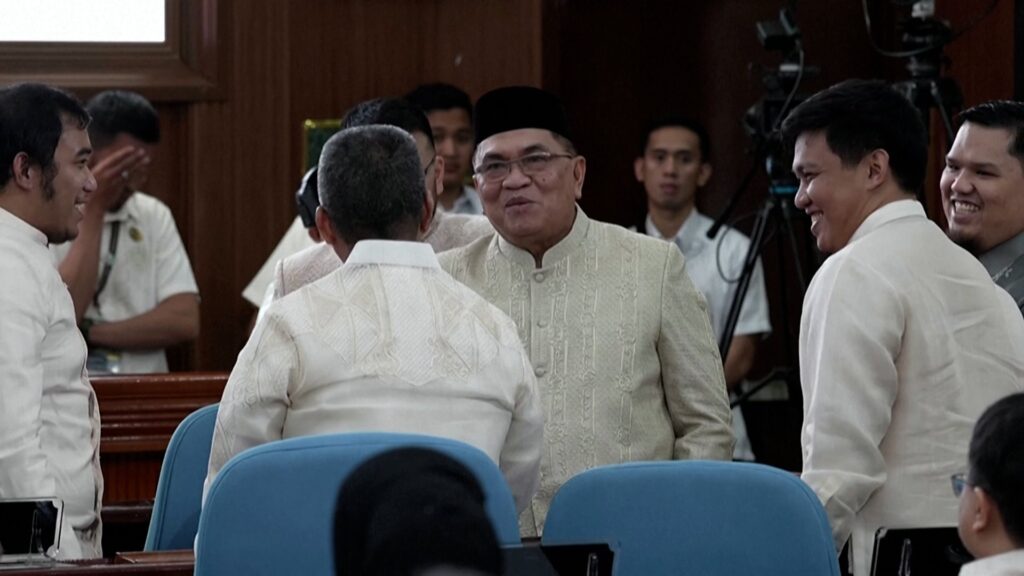
Abdulraof Macacua, a former Muslim rebel leader, has been elected as the chief minister of the Bangsamoro Autonomous Region in Muslim Mindanao (BARMM), marking a significant milestone in the region’s political landscape. Macacua’s election reflects the ongoing peace process and efforts to bring stability and development to a region long affected by conflict.
The Bangsamoro region, located in the southern Philippines, has been home to decades of armed struggles involving various Muslim rebel groups seeking greater autonomy and self-determination. The establishment of the BARMM was the result of peace agreements aimed at ending hostilities and promoting inclusive governance.
Macacua’s background as a rebel leader is particularly symbolic for the region’s transition from conflict to governance. His leadership is seen as a bridge between former combatants and the Filipino government, fostering trust and cooperation necessary for sustainable peace.
During his tenure, Macacua is expected to prioritize peacebuilding initiatives, economic development, and social services to address the enduring challenges faced by the Bangsamoro people. The region has rich natural resources but remains underdeveloped due to years of conflict and neglect.
His election comes at a crucial time when the Bangsamoro government is tasked with implementing the provisions of the Bangsamoro Organic Law, which grants the region greater autonomy, including authority over fiscal management, education, and local governance.
Macacua’s leadership is also anticipated to strengthen efforts against extremist groups that have exploited the unrest in Mindanao, contributing to security improvement in the area.
The international community and the Philippine government have welcomed his election, expressing hope that his administration will continue advancing peace and prosperity in the Muslim region.
The election of Abdulraof Macacua as the chief minister underscores the transformative journey of the Bangsamoro region from strife to self-rule, embodying the aspirations of its people for lasting peace and development. It is a beacon of hope that with inclusive leadership and sustained support, peace can prevail in areas once marked by violence and unrest.
As chief minister, Macacua faces the challenging but vital task of uniting diverse communities within Bangsamoro, ensuring equitable growth and maintaining the momentum of peace talks.
His administration’s success will likely serve as a model for conflict resolution and autonomous governance in other regions facing similar issues worldwide.
The election also highlights the importance of integrating former rebels into mainstream politics, demonstrating how involvement in democratic processes can be a pathway to lasting peace.
Moving forward, the world will be watching to see how Macacua and the Bangsamoro government navigate the complexities of autonomy, development, and security, potentially setting a precedent for conflict-ridden regions globally.