The ongoing Russia-Ukraine war has unleashed a devastating impact on the Black Sea, a crucial marine ecosystem and a vital resource for the surrounding countries. Beyond the human toll and geopolitical instability, the conflict is wreaking havoc on marine life, particularly dolphin populations, and causing significant ecological damage.
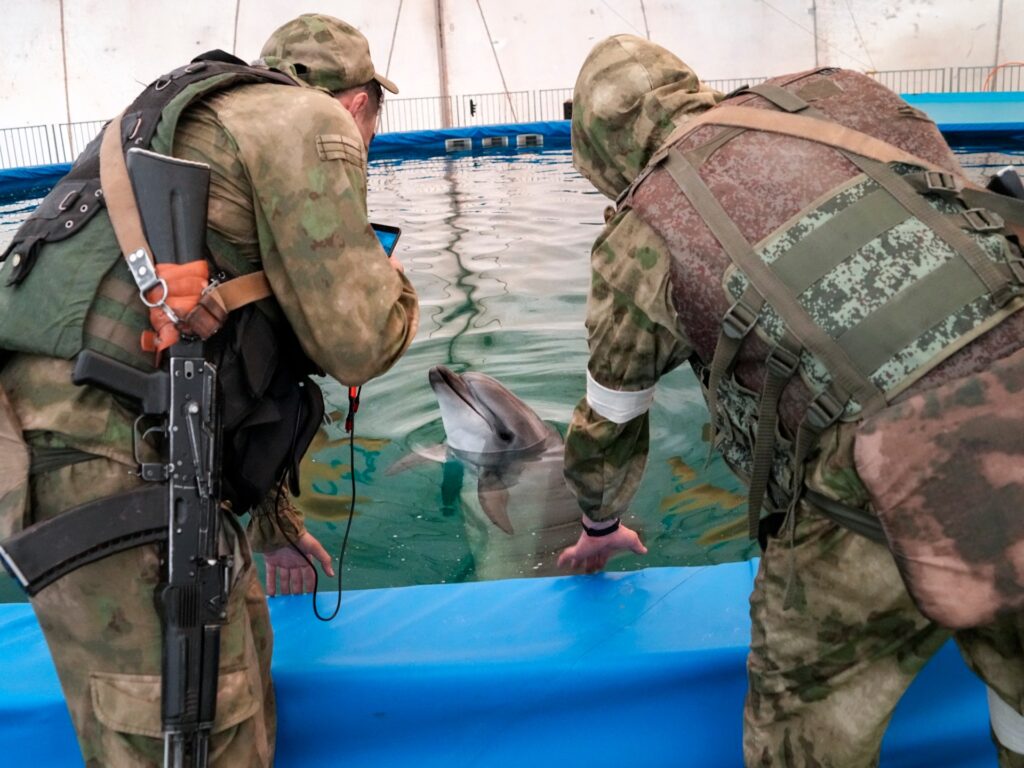
Since the outbreak of hostilities, more than 120,000 dolphins have died in the Black Sea. These tragic losses are linked to various war-related disturbances, including underwater explosions, naval mines, and increased naval activity. Dolphins, being highly sensitive to underwater noise and shockwaves, suffer from disorientation, physical trauma, and disruptions to their natural behaviors.
Naval mines, widely deployed during the conflict, pose a persistent threat not only to military vessels but also to marine fauna. The mines trigger underwater detonations that severely damage the seabed and endanger species inhabiting these waters. Many marine creatures, including fish, mollusks, and crustaceans, face habitat destruction, population declines, and interruptions to their reproductive cycles.
The ecological effects extend beyond direct casualties. The Black Sea’s delicate food web is destabilized as key species decline, impacting predator-prey relationships and the overall biodiversity. The increased presence of military vessels and combat operations has also led to water pollution from fuel leaks, chemicals, and debris.
Local fishing communities are experiencing severe economic impacts due to dwindling fish stocks and dangerous conditions at sea. The disruption of traditional fishing grounds exacerbates hardships for communities already affected by the conflict’s wider economic consequences. Experts warn that if the conflict continues unchecked, the Black Sea’s ecosystem could face irreversible damage.
Environmental organizations and scientists have called for urgent international attention and coordinated efforts to mitigate the damage. Proposals include establishing temporary marine protected zones, demining operations, and stricter regulations on naval activities to minimize ecological harm.
The war highlights the often overlooked environmental cost of armed conflict. The Black Sea, once a vibrant habitat supporting diverse marine life, now faces an uncertain future as the violence rages on. Protecting this vital ecosystem requires an integrated approach combining peace efforts with environmental restoration and conservation measures.
In summary, the Russia-Ukraine war has severely damaged the Black Sea’s marine environment, causing the death of over 120,000 dolphins, widespread habitat destruction due to naval mines, and long-term ecological disruption. Addressing this crisis demands immediate international cooperation to safeguard marine biodiversity and support affected coastal communities.